www.ancient-origins.net
Ancient Roman Appian Way Becomes Italy’s 60th UNESCO World Heritage Site
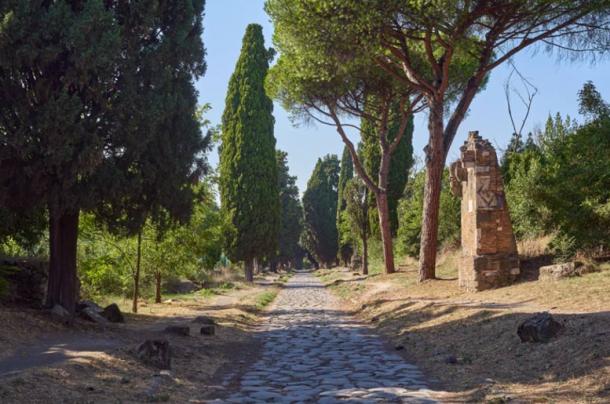
Italy's Via Appia Antica, or Appian Way, the earliest and most significant road built by the ancient Romans, has been accepted as a UNESCO World Heritage Site. This designation elevates Italy’s status to having the most UNESCO heritage sites globally. Known as the Regina Viarum, or Queen of Roads, the Appian Way connected Rome with the port of Brindisi in the south, marking a revolution in road construction and strategic military infrastructure.
Appius Claudius Caecus’s Queen of Roads
The first section of this historic highway was constructed in 312 BC by the Roman statesman Appius Claudius Caecus, explains The Guardian. It served as a crucial military corridor, connecting Rome to the distant regions of the Roman Empire. Before its construction, the only roads outside ancient Rome were Etruscan and primarily directed towards Etruria, a region in central Italy.
“It was originally conceived as a strategic road for military conquest, advancing towards the East and Asia Minor,” UNESCO said according to the Guardian report.
“The Via Appia later enabled the cities it connected to grow and new settlements emerged, facilitating agricultural production and trade.”
Read moreSection: NewsHistory & ArchaeologyAncient PlacesEuropeRead Later


 News Feed (Home)
 Popular Posts
  Events
  Blog
Blog  Market
  Forum
Forum  Headline News
 VidWatch
 Game Zone
 Top PodCasts