YubNub Social YubNub Social
    Advanced Search
  • Login

  • Night mode
  • © 2026 YubNub Social
    About • Directory • Contact Us • Privacy Policy • Terms of Use • Android • Apple iOS • Get Our App

    Select Language

  • English
Install our *FREE* WEB APP! (PWA)
Night mode
Community
News Feed (Home) Popular Posts Events Blog Market Forum
Media
Headline News VidWatch Game Zone Top PodCasts
Explore
Explore Jobs Offers
© 2026 YubNub Social
  • English
About • Directory • Contact Us • Privacy Policy • Terms of Use • Android • Apple iOS • Get Our App

Discover posts

Posts

Users

Pages

Group

Blog

Market

Events

Games

Forum

Jobs

Science Explorer
Science Explorer
2 yrs

These Are Some Of The Deadliest Jobs In America
Favicon 
www.iflscience.com

These Are Some Of The Deadliest Jobs In America

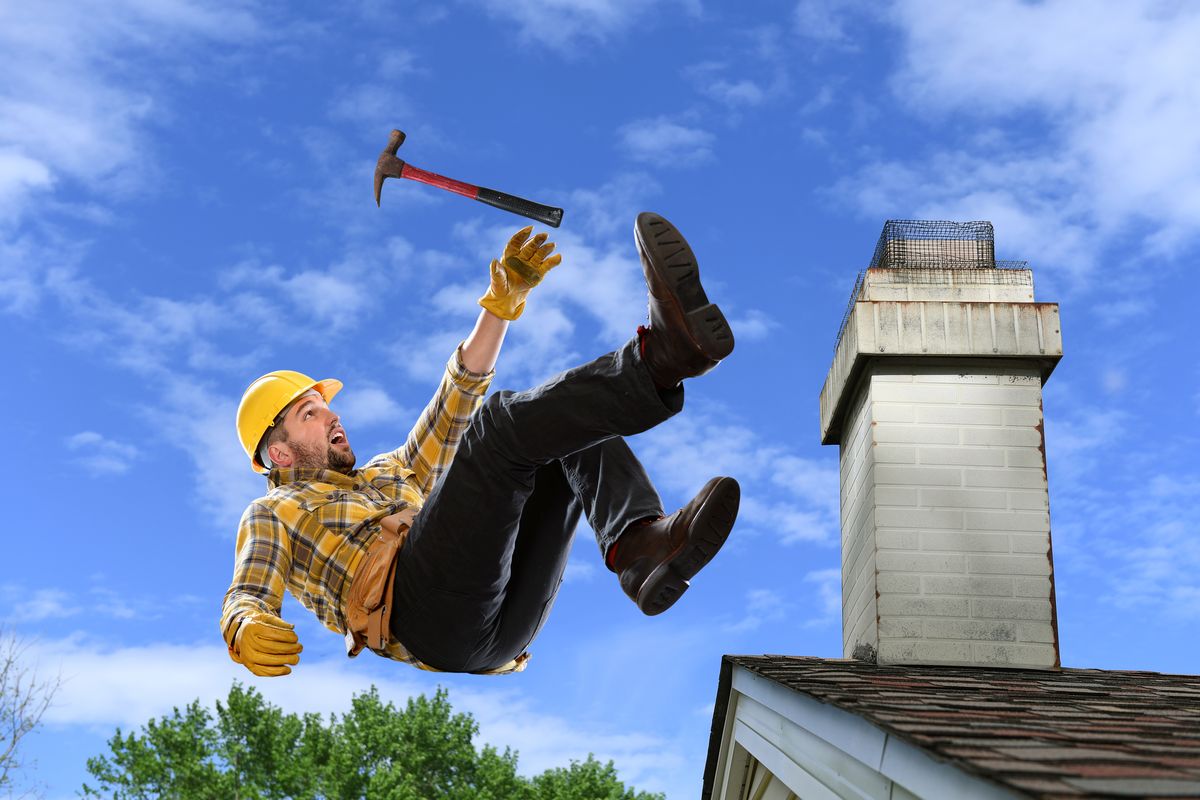
An hour and a half. That’s how long went between deaths from work-related injuries in the US in 2022, according to the Bureau of Labor Statistics. They recorded 5,486 people being killed by their job over the year – the equivalent of one every 96 minutes.And that’s just a speck in the data pool compared to non-fatal injuries in the workplace – more than 2.8 million of which were recorded in 2022. But of course, all those deaths and injuries weren’t evenly spread throughout the workforce. A firefighter, for example, shouldn’t expect the same injury rate as an accountant. So which jobs are the most dangerous? Here are some of the worst offenders.Logging workers and tree trimmersThere are a few different lists of the “most dangerous jobs in America”, and few of them are in total agreement with each other. One common thread, however, is that working with trees is really, really dangerous.That’s not entirely surprising. We’re talking about jobs that involve heavy machinery and chainsaws as standard, in an industry that frequently pushes workers to their limits in terms of time and physical exertion. Loggers often work in isolated environments, in all weathers, and rely on on the job training, and so it’s no wonder that most injuries are caused by “contact with equipment” and falls – both of objects onto the workers, and of the workers themselves.Working with chainsaws and heavy machinery is risky business.Image credit: adriaticfoto/Shutterstock.comTo add insult to (literal) injury, the average salary for loggers is just $47,900 per year – just four-fifths of the national average. For that, they can expect a fatality rate more than 22 times that of the national average and a non-fatal injury rate about 15 percent higher than the average. And sure, that latter statistic doesn’t sound too bad, until you think about what it really means: that if you get injured as a logger, it’s really likely to kill you.Truck driversWith a fatality rate almost eight times that of the national average, delivery and truck drivers are another group whose risk seems outsized for their salary – an average of $48,240, per Forbes. Unsurprisingly, by far the most deaths on the job came from “transportation incidents”, with literally 70 percent of fatalities arising from vehicular collisions. The same figure across all occupations is about 37 percent, according to the Bureau, making delivery and truck drivers roughly twice as likely as any other job to die in a car crash.Meanwhile, the non-fatal injury rate is around 30 percent higher than the national average – though a few issues stand out as being particularly common. Truck drivers are almost three times as likely as other occupations to suffer from musculoskeletal disorders and problems with their backs and trunks. There are a few reasons for all these injuries, but one seems particularly problematic for professional drivers: their position. Spending too long sitting is known to be bad for your health, and truck driving is associated with a whole host of sitting-related ailments such as heart disease and diabetes.Then there are the stresses of being forced to stay awake too long, being away from home for extended periods of time, irregular work schedules, and just the sheer loneliness of it all – things that both compound health issues and act as barriers to getting regular healthcare. Even if you can see a doctor, there’s about a one-in-three chance you have no insurance. Is it any wonder the industry has long been bemoaning a lack of drivers to fill positions?“We’re tired. Our bodies are starting to go. Our bladders have been put to the test. And no exercise,” trucker Stephen Graves told the New York Times in 2022. “We end up with all types of heart and other health ailments. You can’t truly fathom what it’s done to you.”Truck drivers' fatality rate is nearly eight times that of the national average.Image credit: Drazen Zigic/Shutterstock.comRoofersCracking the top five, if not the top three, in all the lists we found was the occupation of roofers – the people who, not surprisingly given the job title, repair, maintain, and construct roofing for buildings. Many of the occupational hazards of this job are similar to those in the logging industry: people are working at great heights, outside and exposed to the elements, and learning on the job. With a fatality rate 16 times the national average, the main killer on this job is pretty much what you’d expect it to be: a full 86 percent of workplace deaths were caused by “falls to a lower level” – that is, going from the top of a building to the bottom, at speed.Roofers do have a couple of pieces of good news, though: their non-fatal injury rate is actually slightly lower than the national average, and they do earn a higher wage than our previous two high-risk jobs. So, it’s actually a pretty sweet gig, assuming you don’t literally die.Agricultural workersThe term “agricultural worker” can encompass a wide range of farming-related occupations, and basically all of them are riskier than the average job. What the Bureau labels “miscellaneous agricultural workers” has a fatality rate about 5.5 times the national average, with most deaths coming as a result of either “contact with objects and equipment” or incidents with vehicles. Both of which, if you’ve ever seen, say, a combine harvester up close, make total sense.Agricultural workers come into contact with lots of dangerous machinery.Image credit: vlalukinv/Shutterstock.comDig a little deeper into the data, and we get a clearer picture of what’s particularly dangerous on the farm. Agricultural equipment operators – the people actually driving the combine harvesters and suchlike – have a fatal injury rate some 13 times higher than the average.A little lower on the risk-of-death ladder are the first-line supervisors of farming and fishing workers, whose fatality risk is a mere seven times the national average. Agricultural inspectors, meanwhile, are bringing that mean down, with so few on the job deaths that an average figure couldn’t be collected.One subcategory that might surprise you, though, is the animal workers – the people whose job it is to tend livestock on farms and ranches. While data is patchier in this industry than others – it’s pretty highly stocked with self-employed people or very small businesses who aren’t required to complete the Bureau’s annual surveys – the picture we do have is one that’s unexpectedly dangerous: with a fatality rate 15 times the typical American’s, it’s actually the third-most deadly job in the country. Luckily, those taking up this work have an average salary of a whole $32,000 per year to make up for it. Which must soften the blow.Aircraft pilots and flight engineersIf there were a running theme in the list so far, it would be this: blue collar. None of the deadly jobs we’ve talked about up until now require, say, a college degree – most are either taught on the job or via apprenticeships – and equally, none have been what you might call high-earning professions.All of which makes the next one on the list kind of stand out. Aircraft pilots and flight engineers require years of training for their profession – and while college and university degrees aren’t strictly necessary, they’re certainly not frowned upon.Of course, there’s a reason for all that preparation: the job involves hurtling through the air at hundreds of miles per hour in a tin can that, for all we know, may only be staying in the sky through sheer force of will. And when you put it like that, the fatality rate, at 13 times the national average, doesn’t seem so strange, does it?Whether it’s the pilots driving the thing or the engineers monitoring the various mechanical systems and statuses, the main risk for workers in this group is – unsurprisingly – what the Bureau labels “vehicular and transportation operations”. In fact, all but one death fell into this category.Flying a plane is, understandably, pretty perilous.Image credit: Carlos E. Santa Maria/Shutterstock.comThe non-fatal accident rate, meanwhile, is twice the national average. The risk is particularly great in private planes and helicopters, which aren’t bound by the same safety regulations as commercial aircraft – flying as a passenger is quite a lot safer, you’ll be happy to know.Honorable mentionsThis is far from an exhaustive list, and we’re sure there are more deadly jobs out there. Firefighters spring to mind, as do the intriguingly named “explosives workers” and “blasters”.Unfortunately, jobs like that are pretty rare, all things considered, and sometimes there wasn’t enough data to reliably calculate the danger of various occupations. Fatal injuries, for example, can only be calculated for jobs held by at least 20,000 people of which at least four died. This rules out, say, dredge operators – an undoubtedly dangerous job, but one which fewer than 1,000 people actually hold. Basically, while we can’t say that these are definitely the most deadly jobs out there, we do know they rank pretty high.The good news? Generally speaking, workplace accident rates are trending downwards – albeit very slowly. Sadly, the fatality rate isn’t really showing the same pattern.Maybe it’s time to retrain as a funeral director.
Like
Comment
Share
Science Explorer
Science Explorer
2 yrs

Heart Attacks And Strokes Fell After COVID-19 Vaccinations In England
Favicon 
www.iflscience.com

Heart Attacks And Strokes Fell After COVID-19 Vaccinations In England

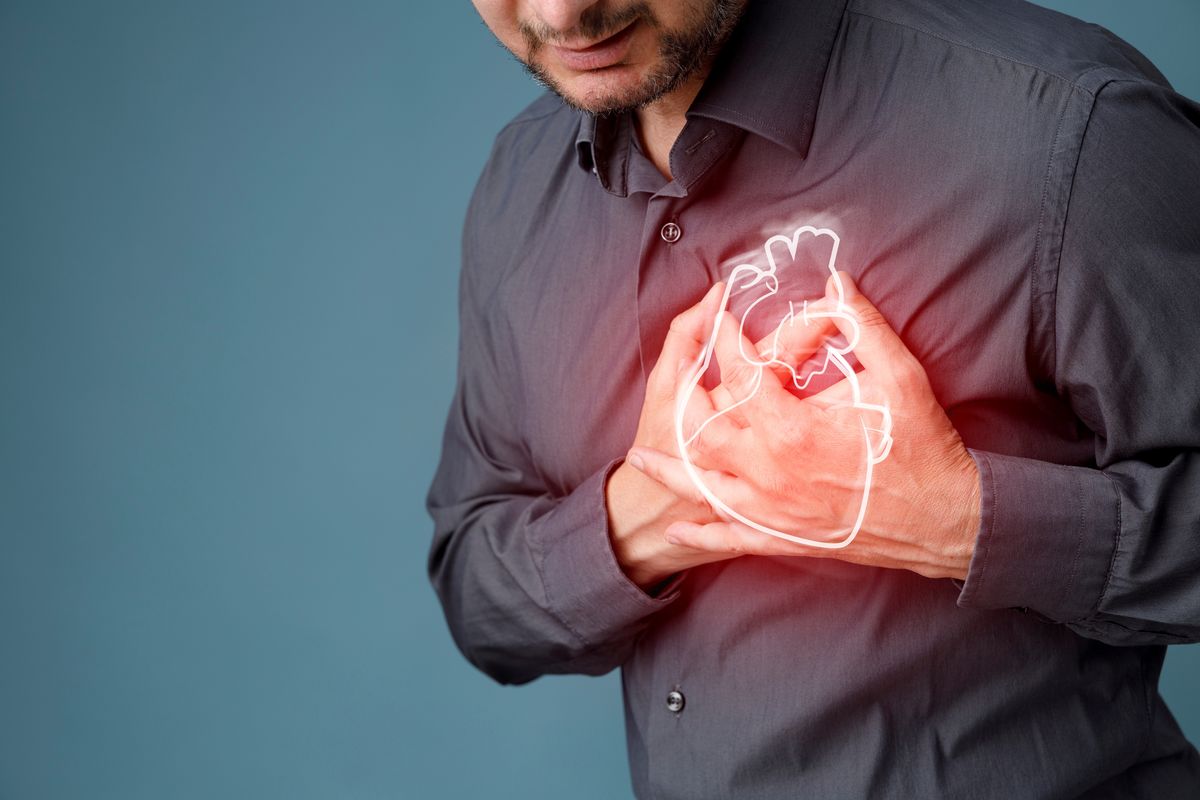
There were fewer heart attacks and strokes in England, adjusting for risk factors like age, after people were vaccinated against COVID-19 than before, a nationwide study has found. Moreover, the benefits increased with second vaccinations and booster shots. Although the study cannot completely refute the claim that vaccination is associated with an increase in both events, it makes it staggeringly unlikely.When the conspiracy theory of vaccines containing microchips proved a bit too much for most of the public to fall for, those opposed to vaccines on principle turned to heart attacks and strokes as their main form of fearmongering. Like all the best lies, this had a tiny kernel of truth: A very small number of incidents such as thrombocytopenia did occur soon enough after vaccination that it was considered likely the AstraZeneca vaccine was a cause. The UK restricted vaccinations for most under-40s to Pfizer's one as a result.Even from the start, the evidence was strong that any risks caused by the vaccines were far outweighed by the risk of the virus itself. This was true even when looking at heart attacks and strokes alone while excluding all the other devastating consequences of infection. Nevertheless, the claim that vaccines are killers has refused to die, resurfacing most recently when AstraZeneca announced they would stop making their vaccine for entirely different reasons.No amount of evidence will be sufficient for some people, but a new study involving three of the UK’s leading universities has examined the deidentified health records from 45.7 million adults in England to test this myth. The data used covered the period from December 8, 2020, when only a tiny number of people in clinical trials had been vaccinated against COVID-19, and January 23, 2022.Incidence of arterial thromboses, which covers both heart attacks and strokes, was 10 percent lower in the 13-24 weeks after the first dose of either vaccine used in the UK. This is consistent with widespread previously published evidence, but there has been less research on subsequent vaccinations.After second and subsequent doses, arterial thromboses fell even more compared to the unvaccinated – by 20 percent for the Pfizer/BioNTech vaccine, and 27 percent for the AstraZeneca vaccine. Similar results apply to other events such as deep venous thrombosis. Whether this makes the decision to not use AstraZeneca among younger people a mistake will require further work to establish.With almost 97,000 thrombotic events in the average of six months between the start of the study period and first vaccination, reductions like these mean many saved lives.Studies such as these could always be affected by confounding factors. The authors acknowledge provision of the vaccine to the most vulnerable first might have distorted their results somehow. The odds against such an alternative explanation must be astronomical, however."We studied COVID-19 vaccines and cardiovascular disease in nearly 46 million adults in England and found a similar or lower incidence of common cardiovascular diseases, such as heart attacks and strokes, following each vaccination than before or without vaccination,” said study co-first author Dr Samantha Ip of the University of Cambridge in a statement. “This research further supports the large body of evidence on the effectiveness and safety of the COVID-19 vaccination programme, which has been shown to provide protection against severe COVID-19 and saved millions of lives worldwide."Previously reported increases in myocarditis and pericarditis shortly after receiving the Pfizer/BioNTech vaccine, and the cases of thrombotic thrombocytopenia from AstraZeneca, were real, the study found – but very rare. They were also usually restricted to the first four weeks or less after vaccination. By comparison, severe cardiovascular disease increased after COVID-19 infection. The authors are cautious about concluding that COVID-19 prevention is the reason for the fall in cardiovascular events, but it is certainly the most obvious conclusion.Failing to get vaccinated out of fears of myocarditis or similar conditions is equivalent to not wearing a seatbelt because of a handful of cases where people became trapped by one, ignoring the demonstrated benefits.Study co-author professor William Whitely of the University of Edinburgh said; "This England-wide study offers patients reassurance of the cardiovascular safety of first, second and booster doses of COVID-19 vaccines. It demonstrates that the benefits of second and booster doses, with fewer common cardiovascular events including heart attacks and strokes after vaccination, outweigh the very rare cardiovascular complications."The study is published open access in the journal Nature Communications
Like
Comment
Share
Science Explorer
Science Explorer
2 yrs

What Is The Doomsday Fish? And Why Were People So Scared Of Seeing Them?
Favicon 
www.iflscience.com

What Is The Doomsday Fish? And Why Were People So Scared Of Seeing Them?

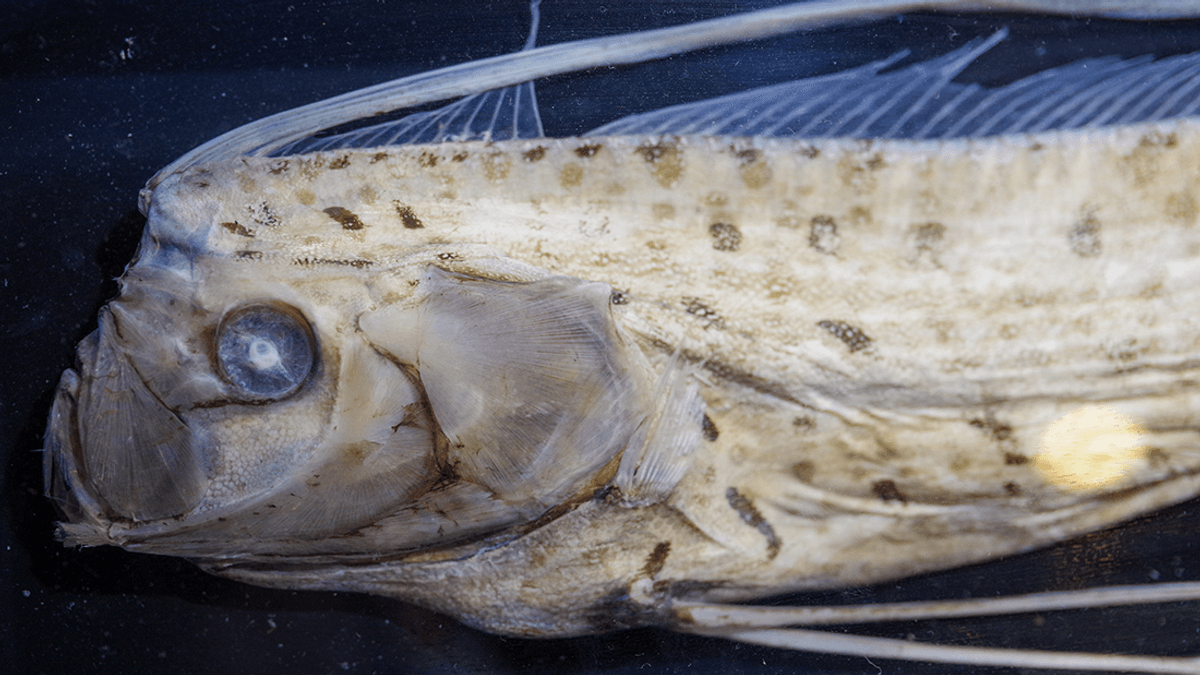
There is an old legend of a "doomsday fish" that has begun to resurface in recent years. According to old Japanese legends, sighting the rare animal – really an oarfish – is a harbinger of earthquakes and tsunamis. The world's longest bony fish – with the longest estimated to be 15 meters (50 feet) in length – are subject to a number of legends, and are thought to be partly responsible for ancient legends of sea serpents. Oarfish generally live at depths of around 200 meters (656 feet), though they have been found at depths of 1,000 meters (3,280 feet), making it rare for them to cross paths with humans, only adding to their mystery and intrigue. Japanese myths call the creature "ryugu no tsukai", or “messenger from the sea dragon god’s palace”, and say that they emerge to the surface to warn the land-dwellers of upcoming earthquakes. In the 2010s, following several deadly earthquakes and tsunamis, this old myth was spread again.The belief that animals act differently prior to earthquakes, or know that earthquakes are coming, dates back at least to 373 BCE, when Greek historian Thucydides wrote that dogs, rats, snakes, and weasels deserted Helice days ahead of a deadly earthquake that hit the city. Other anecdotes from history have claimed animals behaved strangely prior to earthquakes too."Some minutes before they were felt, the oxen and cows began to bellow, the sheep and goats bleated, and, rushing in confusion one on the other, tried to break the wicker-work of the folds; the dogs howled terribly, the geese and fowls were alarmed and made much noise; the horses which were fastened in their stalls were greatly agitated, leaped up, and tried to break the halters with which they were attached to the mangers; those which were proceeding on the roads suddenly stopped, and snorted in a very strange way," one account of the Naples quake of 1805 reads. "The cats were frightened, and tried to conceal themselves, or their hair bristled up wildly. Rabbits and moles were seen to leave their holes; birds rose, as if scared, from the places on which they had alighted; and fish left the bottom of the sea and approached the shores, where at some places great numbers of them were taken."The account goes on to say that ants and reptiles abandoned their homes, while locusts flew through the streets."Some dogs, a few minutes before the first shock took place, awoke their sleeping masters, by barking and pulling them, as if they wished to warn them of the impending danger, and several persons were thus, enabled to save themselves," the account adds.However, the problem with anecdotes like this is that they are anecdotes and they rely on people retroactively noticing the strange behavior of animals after the earthquake has happened. While rare, encounters with oarfish do happen. Sometimes they happen when there are no earthquakes, and sometimes they are found shortly before one. Guess which one is getting talked about? It would of course be really, really useful to be able to predict catastrophic weather events based on fish movements, even if it isn't entirely plausible. Scientists have looked into it, with one team looking at records of sightings of deep-sea fish and records of large earthquakes. The study found that out of 336 sightings of the fish and 221 earthquakes over the same timeframe, only one sighting could be correlated. "As a result," they wrote, "one can hardly confirm the association between the two phenomena."
Like
Comment
Share
Gamers Realm
Gamers Realm
2 yrs

The best games like RimWorld and Dwarf Fortress
Favicon 
www.pcgamesn.com

The best games like RimWorld and Dwarf Fortress

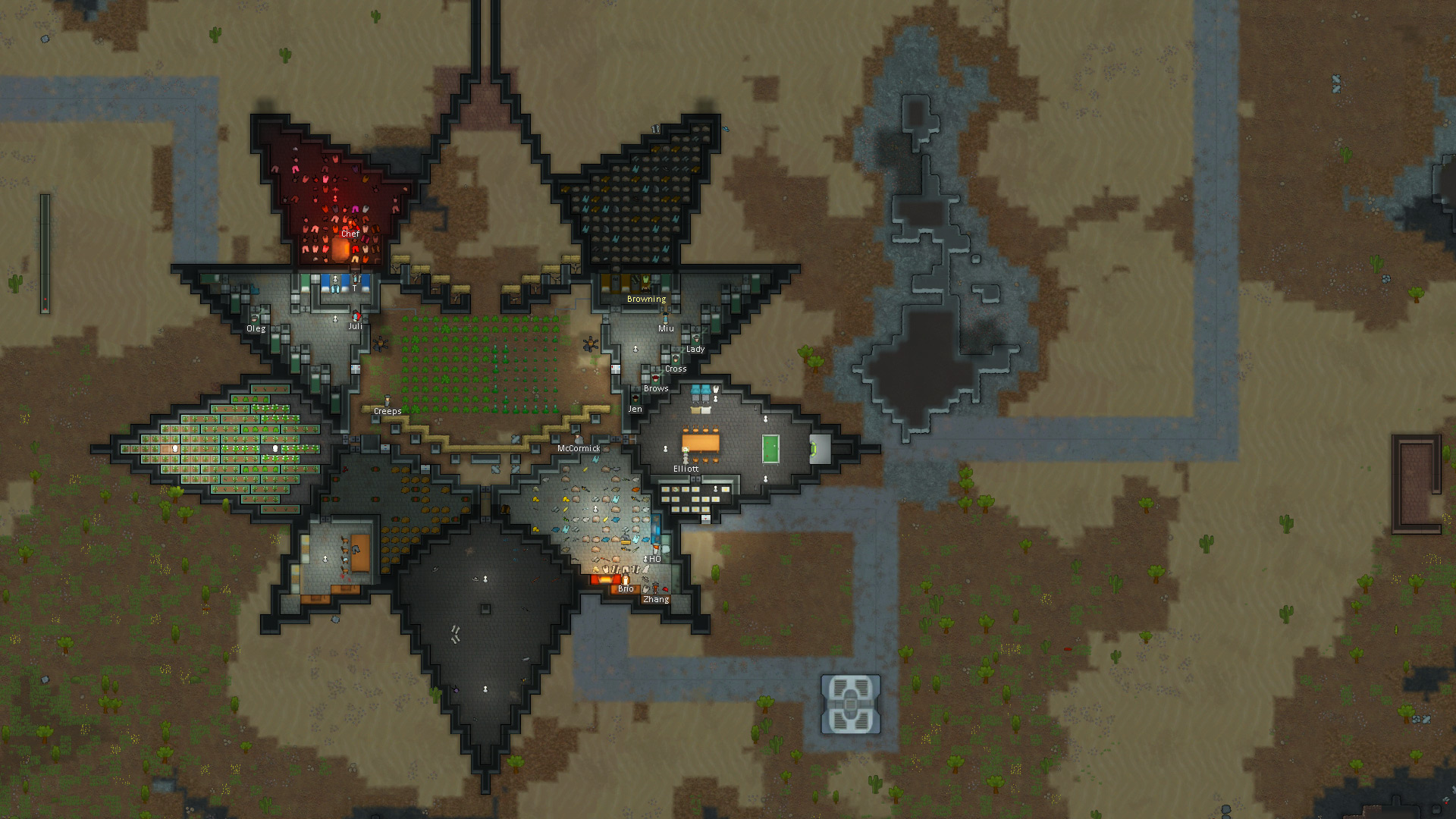
What are the best games like RimWorld? As Charles Caleb Colton said back in the days of Commodore 64: “Imitation is the sincerest form of flattery”. But what must also be remembered is that without imitation we wouldn’t have innovation, and without innovation, we wouldn't have variety. Dwarf Fortress, iconic for its deep, emergent gameplay and ASCII graphics, actually innovated on games like King of Dragon Pass. That older but just as classic text-based clan manager is nearly unrecognizable to our modern town-builders, but its influence is still felt. Dwarf Fortress has since gone on to inspire a new generation of best city-builders and narrative best management games. Continue reading The best games like RimWorld and Dwarf Fortress MORE FROM PCGAMESN: The best Rimworld mods, The best games like Rimworld and Dwarf Fortress, RimWorld multiplayer guide
Like
Comment
Share
Gamers Realm
Gamers Realm
2 yrs

Struggling Paradox 4X game Millennia deserves another chance right now
Favicon 
www.pcgamesn.com

Struggling Paradox 4X game Millennia deserves another chance right now

On paper, Millennia was a surefire hit. Published by Paradox, the esteemed strategy braintrust behind Stellaris, Cities Skylines 2, Crusader Kings, and many more, it’s a 4X game with a superb gimmick, whereby at certain points established history can deviate into more radical, more fantastical hypotheticals. Advance the tech tree too quickly, and you’ll be beset by the Age of Robot Overlords. Neglect health amenities, and say hello to the Age of Plague. Arriving in March of this year, Millennia has so far attracted mixed responses on a modest playerbase, but with a sizable first DLC about to land, it’s time to give this one a second chance. Continue reading Struggling Paradox 4X game Millennia deserves another chance right now MORE FROM PCGAMESN: Best strategy games, Best 4X games, Best grand strategy games
Like
Comment
Share
Gamers Realm
Gamers Realm
2 yrs

Zenless Zone Zero gives away easy Polychrome and more in new events
Favicon 
www.pcgamesn.com

Zenless Zone Zero gives away easy Polychrome and more in new events

Zenless Zone Zero players will be well aware that every last drop of currency and crafting materials are worth their weight in gold when it comes to the HoYoverse economy. The new game from the Genshin Impact and Honkai Star Rail studio has a mountain of different rewards to earn, each of which serves a specific purpose as you work towards unlocking and upgrading the best ZZZ characters. As such, you’ll want to jump on these new ways to earn free ZZZ Polychrome and Denny while you can, because they won’t be around for long. Continue reading Zenless Zone Zero gives away easy Polychrome and more in new events MORE FROM PCGAMESN: Zenless Zone Zero review, Zenless Zone Zero codes, Zenless Zone Zero banners
Like
Comment
Share
Twitchy Feed
Twitchy Feed
2 yrs

BIG MISTAKE ... YUGE: CNN Reporter Tries to Race Bait With J.D. Vance and Gets Buried by the Truth
Favicon 
twitchy.com

BIG MISTAKE ... YUGE: CNN Reporter Tries to Race Bait With J.D. Vance and Gets Buried by the Truth

BIG MISTAKE ... YUGE: CNN Reporter Tries to Race Bait With J.D. Vance and Gets Buried by the Truth
Like
Comment
Share
RedState Feed
RedState Feed
2 yrs

Huge Riot Breaks Out at Vigil After Stabbing Attacker Is Identified As Muslim
Favicon 
redstate.com

Huge Riot Breaks Out at Vigil After Stabbing Attacker Is Identified As Muslim

Huge Riot Breaks Out at Vigil After Stabbing Attacker Is Identified As Muslim
Like
Comment
Share
Trending Tech
Trending Tech
2 yrs

Pump and Trump
Favicon 
www.theverge.com

Pump and Trump

Image: Cath Virginia / The Verge; Getty Images Inside the MAGA-fueled fever dream of the 2024 Bitcoin Conference. Continue reading…
Like
Comment
Share
Trending Tech
Trending Tech
2 yrs

Apple roadmap leaks with iPhone 17 redesign and first foldable devices
Favicon 
bgr.com

Apple roadmap leaks with iPhone 17 redesign and first foldable devices

After Apple's earnings report on Thursday, Haitong Securities analyst Jeff Pu thinks Apple will continue to drive strong results. He has high hopes for the company's 2025 cycle with a redesigned iPhone 17 and a new iPhone 17 Slim model. Further ahead, he expects the first foldable devices to be released in 2026. According to the analyst, the iPhone 17 could lead to a strong cycle due to Apple Intelligence features, a new design, more memory, and a demand for newer iPhones as 2021-2023 buyers consider upgrading their old phones. This is the first time we hear that Apple might redesign the iPhone 17. The company is not expected to change the Dynamic Island design, and the under-panel Face ID technology isn't expected until the iPhone 18 Pro. Apparently, the base model iPhone 17 will feature an Always-On Display and ProMotion. The analyst also believes the rumored iPhone 17 Slim could drive sales, as Apple will switch its strategy from a Plus version to a more expensive iPhone. So far, rumors indicate that this so-called iPhone 17 Slim will start at around $1,299, making it the most expensive iPhone to date. Alongside its ultra-thin form factor, it would have the A19 chip, 8 GB of RAM, and two main cameras. That would make it underpowered and overpriced compared to the iPhone 17 Pro. Image source: José Adorno for BGR Lastly, Jeff Pu says Apple will focus on introducing new foldable devices by 2026. While a foldable iPad was expected in late 2025, the analyst believes Cupertino will introduce both foldable iPad and foldable iPhone models in the second half of 2026. Concerns about display durability have delayed Apple's plans. For a foldable iPad, we expect a 20.3-inch display when unfolded. For the iPhone Fold, a Samsung Z Flip-like design has been rumored. Previous reports say Apple wants to remove the crease of the display when folded to make it more appealing to consumers. Below, you can learn more about the iPhone 17. Don't Miss: iPhone 17: Release date, rumors, features, A19, price, and Slim model The post Apple roadmap leaks with iPhone 17 redesign and first foldable devices appeared first on BGR. Today's Top Deals Stunning Yaber T2 Outdoor Projector has a massive 20% discount Exclusive deal: GEEKOM Mini PC IT12 is 15% off in this post-Prime Day sale Today’s deals: $200 off PSVR2, $299 iPad 10th-Gen, $3.75 smart plugs, $189 ASUS laptop, more Today’s deals: $400 off Ampace power station, $50 off Southwest Airlines tickets, $50 Ninja blender, more
Like
Comment
Share
Showing 18065 out of 56670
  • 18061
  • 18062
  • 18063
  • 18064
  • 18065
  • 18066
  • 18067
  • 18068
  • 18069
  • 18070
  • 18071
  • 18072
  • 18073
  • 18074
  • 18075
  • 18076
  • 18077
  • 18078
  • 18079
  • 18080

Edit Offer

Add tier


Select an image
Delete your tier
Are you sure you want to delete this tier?

Reviews

In order to sell your content and posts, start by creating a few packages. Monetization

Pay By Wallet

Payment Alert

You are about to purchase the items, do you want to proceed?

Request a Refund