YubNub Social YubNub Social
    Advanced Search
  • Login

  • Night mode
  • © 2026 YubNub Social
    About • Directory • Contact Us • Privacy Policy • Terms of Use • Android • Apple iOS • Get Our App

    Select Language

  • English
Install our *FREE* WEB APP! (PWA)
Night mode
Community
News Feed (Home) Popular Posts Events Blog Market Forum
Media
Headline News VidWatch Game Zone Top PodCasts
Explore
Explore Jobs Offers
© 2026 YubNub Social
  • English
About • Directory • Contact Us • Privacy Policy • Terms of Use • Android • Apple iOS • Get Our App

Discover posts

Posts

Users

Pages

Group

Blog

Market

Events

Games

Forum

Jobs

Science Explorer
Science Explorer
2 yrs

Chemistry Discovery on Mars Hints at The Origins of Life on Earth
Favicon 
www.sciencealert.com

Chemistry Discovery on Mars Hints at The Origins of Life on Earth

Like a fossil of a whole planet.
Like
Comment
Share
Conservative Voices
Conservative Voices
2 yrs

Jesuit Plots
Favicon 
www.theamericanconservative.com

Jesuit Plots

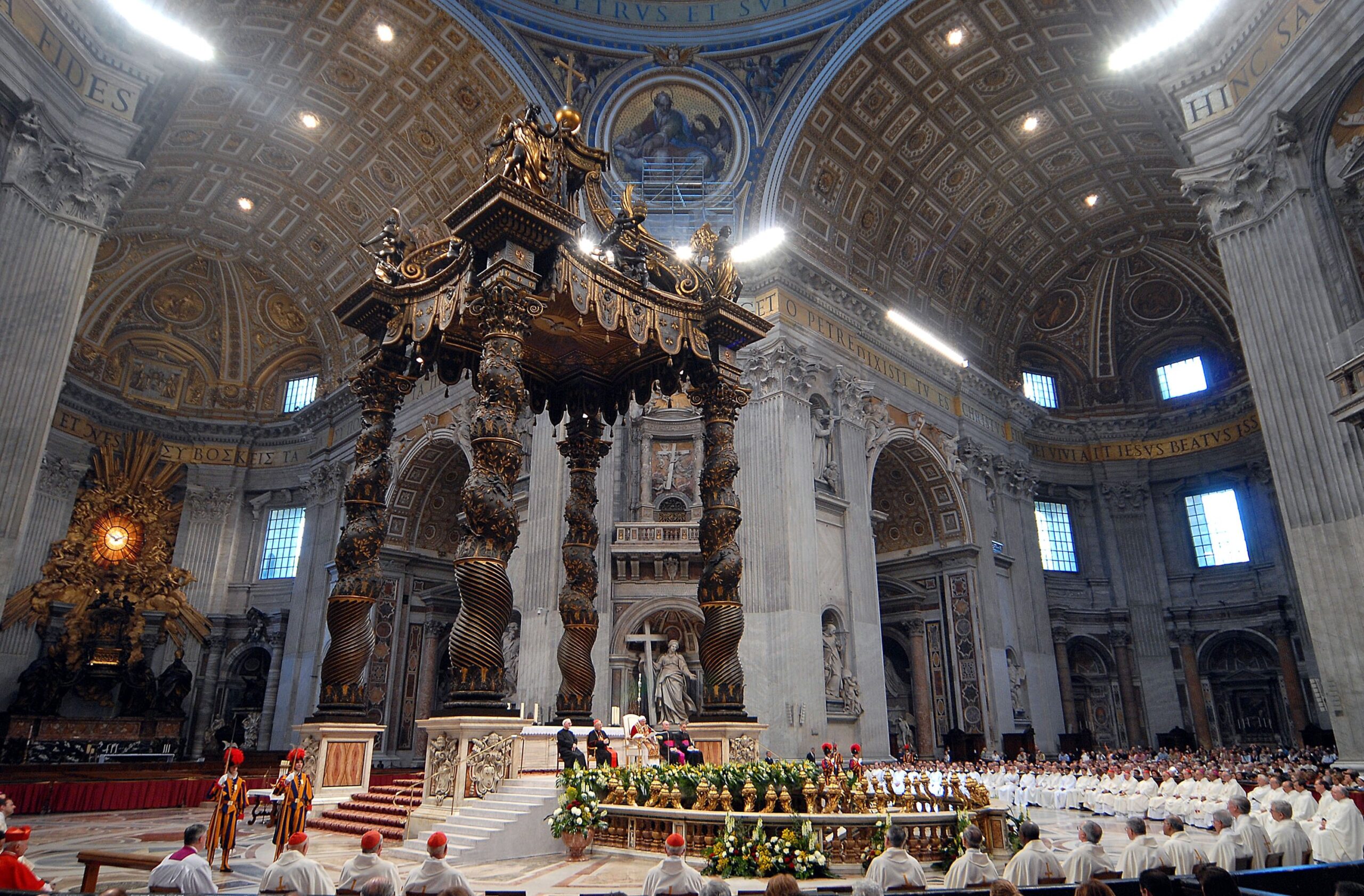
Religion Jesuit Plots The Society of Jesus has been responsible for many revolutions both political and spiritual. The Jesuits: A History, by Markus Friedrich, translated by John Noël Dillon, Princeton University Press, 872 pages In Evelyn Waugh’s masterpiece Brideshead Revisited, a Canadian bounder named Rex Mottram converts to Catholicism in order to marry the novel’s leading lady, Julia Flyte. As part of his conversion, Rex is catechized by the Flyte family’s priest, Father Mackey. In one oft-quoted scene, Father Mackey recounts the previous day’s lesson to Julia: Yesterday I asked him whether Our Lord had more than one nature. He said: “Just as many as you say, Father.” Then again I asked him: “Supposing the Pope looked up and saw a cloud and said ‘It’s going to rain,’ would that be bound to happen?” “Oh, yes, Father” “But supposing it didn’t?” He thought a moment and said, “I suppose it would be sort of raining spiritually, only we were too sinful to see it.” Waugh himself was a convert to Catholicism. He used Rex as a mouthpiece for the Anglo-American stereotype of Catholics. Rex doesn’t care about religion one way or the other. He’s only interested in the beautiful Julia—and her family’s fortune. The Flytes are a family of recusants: English Catholics who refused to convert to Anglicanism during the Reformation. The Flyes themselves represent Waugh’s preferred brand of Catholicism. Unlike Rex, they have culture and breeding. They were all educated by Jesuits, the brainiest religious order in the Catholic Church. What’s funny is that the Jesuits—the Society of Jesus—were founded on solid Mottramist principles. In his book Spiritual Exercises, the order’s founder, St. Ignatius Loyola, declares: “To be right in everything, we ought always to hold that the white which I see, is black, if the Hierarchical Church so decides it.” Ever since Ignatius founded the Society of Jesus in 1540, it has found itself at the center of countless conspiracy theories, most of them related to the Pope. Throughout the centuries, whispers of “Jesuit plots” have spread across Europe, America, and Asia. Like most conspiracy theories, these ones are quite true. Loyola himself was a man of great holiness and charity. He was also a nobleman, a knight, and a bit of a social-climber. According to one official Jesuit history, Ignatius possessed a “great appetite for honor and glory.” He used his courtly upbringing to recruit high-quality priests—including St. Francis Borgia, great-grandson of both King Ferdinand II of Spain and the infamous Pope Alexander VI—as well as powerful and wealthy patrons. Ignatius lived to see his Order become a powerhouse in European politics. Of course, whatever social-climbing occurred was in the service of a higher cause: preventing the spread of Protestantism in Europe. For the Jesuits, Protestantism could only be countered by a strong papacy. Indeed, “papalism” might be called the Jesuit charism. In addition to the usual vows of poverty, chastity, and obedience to one’s superiors, the Jesuits take a fourth vow: total obedience to the Roman Pontiff. This papalism has landed the Jesuits in several tricky situations throughout their history. Shortly after their founding, the pope urged the Jesuits to set up shop in Portugal. Within a hundred years, they enjoyed a virtual monopoly over the country’s education system. Ironically, this led to their persecution in Ignatius’s homeland: the Spanish throne suspected them of being Portuguese agents. In fact, they were: when Portugal seceded from Spain in 1640, the Jesuits preached sermons and published pamphlets championing the House of Braganza.  In 1589, Henry IV became King of France. A Protestant by birth and conviction, Henry openly boasted that he converted to Catholicism merely to secure the throne. (“Paris vaut bien une messe.”) As sovereign, his religious policy was both tolerant and “localist.” Of course, he was opposed stridently by the Jesuits. The Order had been partisans of the ultraconservative Catholic League; its priests preached sermons and published pamphlets demanding that the Kingdom of France be purged of all Protestant influence and that ecclesiastical authority be centralized in the Vatican. After an attempt was made on Henry’s life by a partisan of the Catholic League, the Jesuits were banned in several parts of France. Henry survived the attempt on his life only to be cut down in 1610 by yet another partisan of the Catholic League. It was also in the 1850s that the Jesuits launched their first mission to England, where the Catholic Church had once again been outlawed by Elizabeth I. In all, twenty-seven members of the Society of Jesus were martyred in England, including two of England’s greatest saints: Edmund Campion and Robert Southwell. These young men insisted that one could be both a loyal Catholic and a patriotic Englishman. They meant it, too. Unfortunately, their superiors felt otherwise. A group of powerful Jesuits led by David Wolfe, then papal legate to Ireland, began scheming for the violent overthrow of the House of Tudor. As in France, the Order would accept no compromise with Protestantism. All effort must be made to eradicate resistance to the Pope—no matter the means, no matter the cost. And so the Jesuits loudly supported the Spanish Armada. Of course, this seemed to confirm Elizabeth’s suspicion that “papists” were disloyal to the Crown. All hopes of a peaceful Catholic mission to England were dashed. Rumors of “Jesuit plots” have long plagued the United States, fueling anti-Catholic bias. This was deeply unfair to ordinary Catholics. However, the Jesuits’ reputation as agents of papal political influence was hard-earned. Nor, of course, was their influence purely political. In fact, the order was largely responsible for the largest sea-change in Western spirituality since the dawn of Christianity.  First, Ignatian spirituality (as it is known) places a heavy emphasis on the use of the imagination. This was a significant departure from the Christian tradition, which generally discourages the use of the imagination in prayer. As the fifth-century mystic Hesychius the Priest warned, “Only by means of a mental image can Satan fabricate an evil thought and insinuate this into the intellect in order to lead it astray.”  Second, there was an intense (some would say inordinate) focus on the suffering and death of Christ and His Mother. This was in keeping with atonement theology, which originated with St. Anselm of Canterbury and flourished in the medieval West. Graphic depictions of Christ’s Passion were still comparatively rare: because Christians had little use for the imagination, Christian art traditionally placed a low premium on realism.  Markus Friedrich describes what happens when these two elements come together:  The vividness of these imagined visions was crucial. While meditating, the Jesuit should envision the tiniest detail of Jesus’s suffering. In 1670, the Jesuit preacher Philipp Kisel of Worms calculated that Christ had shed exactly 97,035 drops of blood on the cross, every one of which was grounds for a sinner to repent. Some might posit that Ignatius propagated this “guilt-and-gore” spirituality in order to frighten Europe into embracing his Mottramist ecclesiology. A few might go further and say that such an ecclesiology was promoted largely for the sake of advancing the pope’s political power. That, however, would be reductive and uncharitable. All the same, since 2014, when the Church was blessed with its first Jesuit pope, faithful Catholics have begun to suspect that the papacy is not an intrinsically “conservative” institution.  In 2021, Pope Francis published an encyclical severely restricting access to the traditional Latin Mass. He titled the encyclical Traditionis Custodes, or “Guardians of Tradition.” Of course, the guardians to which he refers are the popes; the tradition to which he refers is papal authority. At first this seems like a mean joke. However, Francis is of a mind with Pope Pius IX, who promulgated the dogma of papal infallibility. “I am the Tradition!” Pius once declared; “I am the Church!” Rex Mottram would approve of the sentiment, and so would Ignatius Loyola. The post Jesuit Plots appeared first on The American Conservative.

Like
Comment
Share
Comedy Corner
Comedy Corner
2 yrs ·Youtube Funny Stuff

YouTube
House Training Must Be So Confusing For Animals. Rob O'Reilly
Like
Comment
Share
Intel Uncensored
Intel Uncensored
2 yrs

Six Million Lies About The Holocaust. Confirmed by Red Cross Report, Only 135,000 Jewish Deaths
Favicon 
api.bitchute.com

Six Million Lies About The Holocaust. Confirmed by Red Cross Report, Only 135,000 Jewish Deaths

Six Million Lies About The Holocaust. Confirmed by Red Cross Report, Only 135,000 Jewish Deaths - The Red Cross had Full Access to All Concentration Camps. They Documented EVERYTHING - NO GAS CHAMBERS WERE EVER REPORTED DURING THOSE VISITS - NOR WERE THERE ANY REPORTS OF MASS EXECUTIONS. SI KNESS AND STARVATION WERE THE PRIMARY CAUSE OF DEATH - Holocaust thread: https://gab.com/Lateralus1/posts/112713504776670196 - Category: Deceivers of the World,Historical Fiction,Holocaust / Holocaust History - Duration: 06:17 - Date:  2024-07-03 20:44:20 - FAIR USE FOR EDUCATIONAL PURPOSES - Mirrored From: https://153news.net/view_channel.php?user=Lateralus1
Like
Comment
Share
Intel Uncensored
Intel Uncensored
2 yrs

REBEL CALL / A Call For a Uprising: OPEN YOUR EYES AND DON'T BE A SHEEPLE!
Favicon 
api.bitchute.com

REBEL CALL / A Call For a Uprising: OPEN YOUR EYES AND DON'T BE A SHEEPLE!

⫸REBEL CALL / A Call For a Uprising⫷ https://www.youtube.com/channel/UCpoJbswTauGsuh19I-S2uaw | https://www.youtube.com/@REBELCALL2024 ? https://youtu.be/b1qrfcA6y7s New channel: Subscribe to the other channel HERE: youtube.com/channel/UC_Bvg11cNMaG9v3-KlW82og Make sure you are subscribed to these other channels of mine! This video is likely getting a strike. youtube.com/channel/UCzLed1FNRB8HZExeo-BpaKg youtube.com/channel/UCpoJbswTauGsuh19I-S2uaw SUBSCRIBE TO THE WEBSITE: https://www.acallforanuprising.com/ FOLLOW UNCENSORED PODCAST: https://callforanuprising.podbean.com/ https://open.spotify.com/show/2y7a5t8bqaHYzBIH5WFAIq MERCHANDISE: https://endofthebeginning.creator-spring.com/ SUPPORT THIS CHANNELS WORK ON YOUTUBE: https://www.patreon.com/acallforanuprising SUBSCRIBE TO BACKUP CHANNELS: https://www.youtube.com/@TIMEFORARECKONING https://www.youtube.com/@reckoninglives https://www.youtube.com/@nationsconspire ▬▬▬▬▬▬▬▬▬▬▬▬▬▬▬▬▬▬▬▬▬▬▬▬▬▬▬▬▬▬▬▬▬▬▬▬▬▬▬▬▬▬▬▬
Like
Comment
Share
Intel Uncensored
Intel Uncensored
2 yrs

STUDY DEBUNKS LONG COVID??!!!
Favicon 
api.bitchute.com

STUDY DEBUNKS LONG COVID??!!!

UTL COMMENT:- HAHAHHAHAHAHHAHAHAHA!! LONG CONVID EXPOSED?!? ??‍♂️??????? 'LONG COVID' DEBUNKED!!! And what did we say all along?? And this was on the MAINSTREAM MEDIA???? We are witnessing one massive humiliation ritual. We told it would kill you. We poked you. Now we telling you it’s just a cold. Ohhh… and now myocarditis is trending. But guess what? The bird flu vaccines will be safe and effective. We promise. ????? https://www.instagram.com/reel/C4hEodqvg66/?igsh=OTlndzk5dW10aXB0
Like
Comment
Share
Intel Uncensored
Intel Uncensored
2 yrs

There’s No Stopping What’s Coming Now!
Favicon 
www.sgtreport.com

There’s No Stopping What’s Coming Now!

from Mark Dice: TRUTH LIVES on at https://sgtreport.tv/
Like
Comment
Share
Intel Uncensored
Intel Uncensored
2 yrs

Is The US At War With Russia Now?
Favicon 
www.sgtreport.com

Is The US At War With Russia Now?

by Neenah Payne, Activist Post: Tucker Carlson’s Explosive Interview With Vladimir Putin shows that Carlson interviewed Putin on February 6. Carlson had been trying to interview Putin for three years, but the US government had leaked his text messages to the New York Times which spooked the Russian government into canceling the interview. Del Bigtree, host […]
Like
Comment
Share
History Traveler
History Traveler
2 yrs

Why did People Wear Powdered Wigs?
Favicon 
www.historydefined.net

Why did People Wear Powdered Wigs?

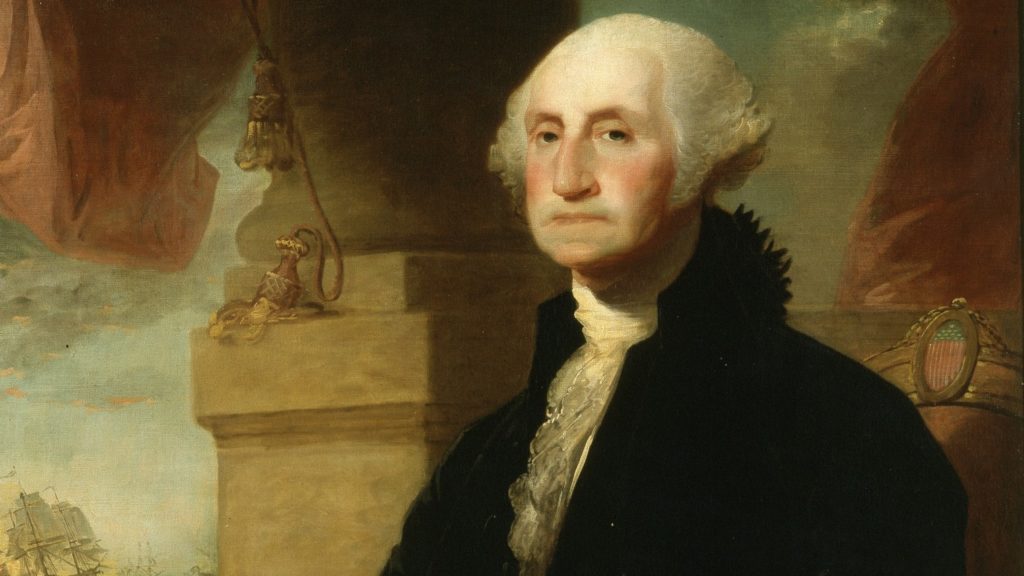
The powdered wig was one of the most well-known and often lampooned features of 18th-century fashion. But how did this style come to be? And why did people wear them? Men in 16th century England wore the first wigs to cover up baldness. Wigs became increasingly popular in the 17th century, and by the 18th century, men and women of all social classes wore them. Wigs were often made from human hair but were also made from wool, horsehair, or even goat hair. People used powder to style wigs and give them a more polished look. It was also used to cover up the smell of hair grease and keep the wigs from getting too sweaty in the hot summer months. Why Wigs? So why did people wear powdered wigs? For many, it was simply a matter of fashion. People at the time saw a prominent hairline as a sign of youth and beauty, so those who were starting to lose their hair (or who wanted to look younger) would powder their wigs to give the illusion of a fuller head of hair. For others, powdered wigs were a way to show their status and wealth. Wigs could be pretty expensive, and the more elaborate the wig, the higher position it conveyed. Wigs were often decorated with jewels and feathers and could be quite large and cumbersome to wear. Powdered wigs fell out of fashion in the late 18th century when more uncomplicated and natural hairstyles became popular. But they have left us a fascinating glimpse into the styles of a bygone era. Who Wore Powdered Wigs? Men and women of all social classes wore powdered wigs in the 18th century. They were trendy among the aristocracy and the upper class as the cost of powdered wigs was costly. Powdered wigs were often worn by those in public positions, such as judges, lawyers, and politicians. This was because wigs were seen as a sign of authority and power. How Were Powdered Wigs Made? Powdered wigs were often made from human hair but could also be made from wool, horsehair, or even goat hair. The hair would first be cleaned and then powdered with a substance called “starch powder.” This powder would help keep the wig in place and give it a more polished look. The starch powder was also used to cover up the smell of hair grease and to keep the wigs from getting too sweaty in the hot summer months. How Were Powdered Wigs Worn? People wore powdered wigs with a hat or cap. They could also be worn with a headband or ribbon. The wigs were often tied in a bow at the back of the head. Powdered wigs could be quite large and cumbersome to wear. They were often decorated with jewels and feathers. Powdered wigs also had to be re-powdered every few days. Why Did Powdered Wigs Fall Out of Fashion? Powdered wigs fell out of fashion in the late 18th century for many reasons. Firstly, they were seen as too formal for everyday wear. In addition, the powder was often seen as unhealthy, as it could be dusty and cause respiratory problems. Lastly, powdered wigs were not practical. They could be costly to maintain and were often quite cumbersome to wear. Powdered wigs began to fall out of fashion in the early 19th century as more straightforward and natural hairstyles became popular. This trend was partly due to the French Revolution, when powdered wigs were associated with the aristocracy and thus became unpopular. By the mid-19th century, powdered wigs had fallen completely out of fashion and were only worn on rare occasions, such as at costume parties or by those in the theatrical profession. Are Powdered Wigs Still Worn Today? Powdered wigs are rarely worn today except on rare occasions, such as at costume parties or by those in the theatrical profession. They are also sometimes worn by judges in court. However, powdered wigs are no longer seen as a sign of power and authority and are now mostly considered a bit of a joke. Famous People Who Wore Powdered Wigs Many famous people wore powdered wigs in the 18th century, including: French Queen Marie Antoinette Marie Antoinette was known to wear powdered wigs daily. She is often credited with popularizing fashion among the aristocracy. George Washington, the first President of the United States George Washington was often depicted in portraits wearing a powdered wig. However, it is unclear how often he wore one in real life. Benjamin Franklin, American Founding Father The American inventor and founding father Benjamin Franklin was often wearing powdered wigs. He even wrote a satirical essay about this fashion in 1784. King Louis XVI of France King Louis XVI of France was another famous powdered wig wearer. He was often seen wearing an elaborate wig, even on formal occasions. Powdered wigs offer us a glimpse into the fashion of the past. They were once a common sight but are now mostly only worn on rare occasions. They’re a reminder of a time when simplicity was not in fashion and people took great pride in their appearance.The post Why did People Wear Powdered Wigs? first appeared on History Defined.
Like
Comment
Share
Conservative Voices
Conservative Voices
2 yrs ·Youtube Politics

YouTube
Who’s Benefitting from Feminism?
Like
Comment
Share
Showing 21522 out of 56670
  • 21518
  • 21519
  • 21520
  • 21521
  • 21522
  • 21523
  • 21524
  • 21525
  • 21526
  • 21527
  • 21528
  • 21529
  • 21530
  • 21531
  • 21532
  • 21533
  • 21534
  • 21535
  • 21536
  • 21537

Edit Offer

Add tier


Select an image
Delete your tier
Are you sure you want to delete this tier?

Reviews

In order to sell your content and posts, start by creating a few packages. Monetization

Pay By Wallet

Payment Alert

You are about to purchase the items, do you want to proceed?

Request a Refund