YubNub Social YubNub Social
    Advanced Search
  • Login

  • Night mode
  • © 2026 YubNub Social
    About • Directory • Contact Us • Privacy Policy • Terms of Use • Android • Apple iOS • Get Our App

    Select Language

  • English
Install our *FREE* WEB APP! (PWA)
Night mode
Community
News Feed (Home) Popular Posts Events Blog Market Forum
Media
Headline News VidWatch Game Zone Top PodCasts
Explore
Explore Jobs Offers
© 2026 YubNub Social
  • English
About • Directory • Contact Us • Privacy Policy • Terms of Use • Android • Apple iOS • Get Our App

Discover posts

Posts

Users

Pages

Group

Blog

Market

Events

Games

Forum

Jobs

Gamers Realm
Gamers Realm
2 yrs

How to talk to Hornsent Grandam in Elden Ring Shadow of the Erdtree
Favicon 
www.pcinvasion.com

How to talk to Hornsent Grandam in Elden Ring Shadow of the Erdtree

If you unlock the Storeroom in Belurat Tower Settlement, you’ll find Hornsent Grandam, but she won’t be interested in speaking with you. We’ll tell you how to talk to Hornsent Grandam in Elden Ring Shadow of the Erdtree to get an incantation. Elden Ring: How to talk to Hornsent Grandam in Shadow of the Erdtree Upon exploring Belurat Tower Settlement and unlocking the Storeroom you’ll quickly realize that the NPC inside the room is disinterested in you. There’s only one way to speak to her properly, but you’ll have to defeat a boss first. You can talk to Hornsent Grandam in Elden Ring Shadow of the Erdtree by wearing the Divine Beast Head. Screenshot: PC Invasion The only way to obtain this head is by defeating the Divine Beast Dancing Lion boss which is at the very end of the Belurat Tower Settlement dungeon. The Storeroom is about halfway through the dungeon, so if you haven’t defeated the boss yet now is a good time. Once you...
Like
Comment
Share
Daily Signal Feed
Daily Signal Feed
2 yrs

EXCLUSIVE: Sen. Blackburn Leads Push for Pro-Life Protections in 2025 Budget
Favicon 
www.dailysignal.com

EXCLUSIVE: Sen. Blackburn Leads Push for Pro-Life Protections in 2025 Budget

FIRST ON THE DAILY SIGNAL—Protections for the unborn belong at the forefront of the federal budget, Sen. Marsha Blackburn, R-Tenn., wrote in a letter sent to the Senate Appropriations Committee on Friday. “As the Senate Appropriations Committee continues to work on legislation for fiscal year 2025, we urge the committee to ensure that long-standing, bipartisan pro-life provisions are included as bill text,” says Blackburn’s letter, co-signed by Republicans Sens. Steve Daines of Montana, Josh Hawley of Missouri, Roger Marshall of Kansas, and Markwayne Mullin of Oklahoma, and shared with The Daily Signal. “These provisions have been enshrined in law every year for decades, and it is essential that we continue this bipartisan work to protect our nation’s most vulnerable—the unborn,” the letter continues. 6.21.24.20Blackburn20Letter20to20Senate20Appropiations20Committee20Regarding20Pro-Life20Riders2028final29Download Blackburn and the other senators urged the committee to renew pro-life policies such as the Hyde Amendment, which has prohibited taxpayer funding of most abortions since 1976, in the annual appropriations bill. “A procedure intended to end a human life cannot credibly be considered a form of health care,” the letter says. “A majority of Americans, including majorities of Republicans and independents, oppose the use of taxpayer dollars to bankroll abortions.” Americans should not have to fund procedures that many consider to be murder, the letter says, citing a Gallup poll showing 57% of Americans agree abortion is murder. The Hyde Amendment, which is in the language of the Labor, Health and Human Services, Education, and Related Agencies appropriations bill, “safeguards the ethical, moral, and religious convictions of millions of Americans.” Susan B. Anthony Pro-Life America, the American Family Action Network, Americans United for Life, Concerned Women for America Legislative Action Committee, the American Association of Pro-Life Obstetricians and Gynecologists, the Ethics and Public Policy Center, and Students for Life Action endorsed the letter. “For decades, Congress has ensured that the dignity of human life is upheld through these important appropriations riders,” said Penny Nance, CEO and president of Concerned Women for America. “In a post-Roe world that recognizes there is no federal right to abortion, legislators should fight harder than ever to keep taxpayer dollars out of the abortion industry. These provisions are commonsense, bipartisan, and are critical to protect life.” The senators advocated for the committee to keep other provisions that also protect life in the bill: The Smith Amendment, which bans taxpayers’ dollars from funding abortions for federal employees The Dornan Amendment, which prohibits taxpayers’ funds from paying for abortions in the District of Columbia Abortion Funding for Prisoners, which restricts taxpayers’ dollars from funding abortions for federal prisoners The Helms Amendment, which bars taxpayers’ funds from financing abortions in foreign aid The Siljander Amendment, which prohibits taxpayers’ dollars from paying for any lobbying regarding abortion The Kemp-Kasten Amendment, which grants the president the discretion to ban organizations that promote coercive abortion from receiving U.S. funds The Weldon Amendment, which permits health care and insurance providers to opt out of participating in elective abortion procedures based on their religious and moral beliefs Retaining long-standing pro-life provisions in the appropriations bill “follows decades-long precedent and honors the desires of most Americans not to financially support this life-ending procedure,” the letter says. The appropriations bill will likely be enacted by the end of September. Fiscal 2025 begins Oct. 1. The post EXCLUSIVE: Sen. Blackburn Leads Push for Pro-Life Protections in 2025 Budget appeared first on The Daily Signal.
Like
Comment
Share
Reclaim The Net Feed
2 yrs

Change These Settings To Curb Your ISP’s Spying and Boost Your Internet Speed
Favicon 
reclaimthenet.org

Change These Settings To Curb Your ISP’s Spying and Boost Your Internet Speed

If you're tired of censorship and dystopian threats against civil liberties, subscribe to Reclaim The Net. Sign Up To Keep Reading This post is for Reclaim The Net supporters. Gain access to the entire archive of features and supporters-only content. Help protect free speech, freedom from surveillance, and digital civil liberties. Join Already a supporter? Login here If you're tired of censorship and dystopian threats against civil liberties, subscribe to Reclaim The Net. The post Change These Settings To Curb Your ISP’s Spying and Boost Your Internet Speed appeared first on Reclaim The Net.
Like
Comment
Share
Survival Prepper
Survival Prepper  
2 yrs

How to Propagate Plants: 4 Methods to Master
Favicon 
preppersdailynews.com

How to Propagate Plants: 4 Methods to Master

How to Propagate Plants: 4 Methods to Master
Like
Comment
Share
Survival Prepper
Survival Prepper  
2 yrs

Frugal Ways to Make the Most Out of Summer Strawberries
Favicon 
preppersdailynews.com

Frugal Ways to Make the Most Out of Summer Strawberries

Frugal Ways to Make the Most Out of Summer Strawberries
Like
Comment
Share
Survival Prepper
Survival Prepper  
2 yrs

Chinese organized crime increasingly becomes an issue in the US
Favicon 
preppersdailynews.com

Chinese organized crime increasingly becomes an issue in the US

Chinese organized crime increasingly becomes an issue in the US
Like
Comment
Share
Survival Prepper
Survival Prepper  
2 yrs

Why Has China Purchased Farmland Near 19 Different Military Bases Inside The United States?
Favicon 
preppersdailynews.com

Why Has China Purchased Farmland Near 19 Different Military Bases Inside The United States?

Why Has China Purchased Farmland Near 19 Different Military Bases Inside The United States?
Like
Comment
Share
Survival Prepper
Survival Prepper  
2 yrs

How To Make Emergency Bread
Favicon 
preppersdailynews.com

How To Make Emergency Bread

How To Make Emergency Bread
Like
Comment
Share
Science Explorer
Science Explorer
2 yrs

Green Parrots Rub Against Plants For Parasite Protection – And Probably Also To Get High
Favicon 
www.iflscience.com

Green Parrots Rub Against Plants For Parasite Protection – And Probably Also To Get High

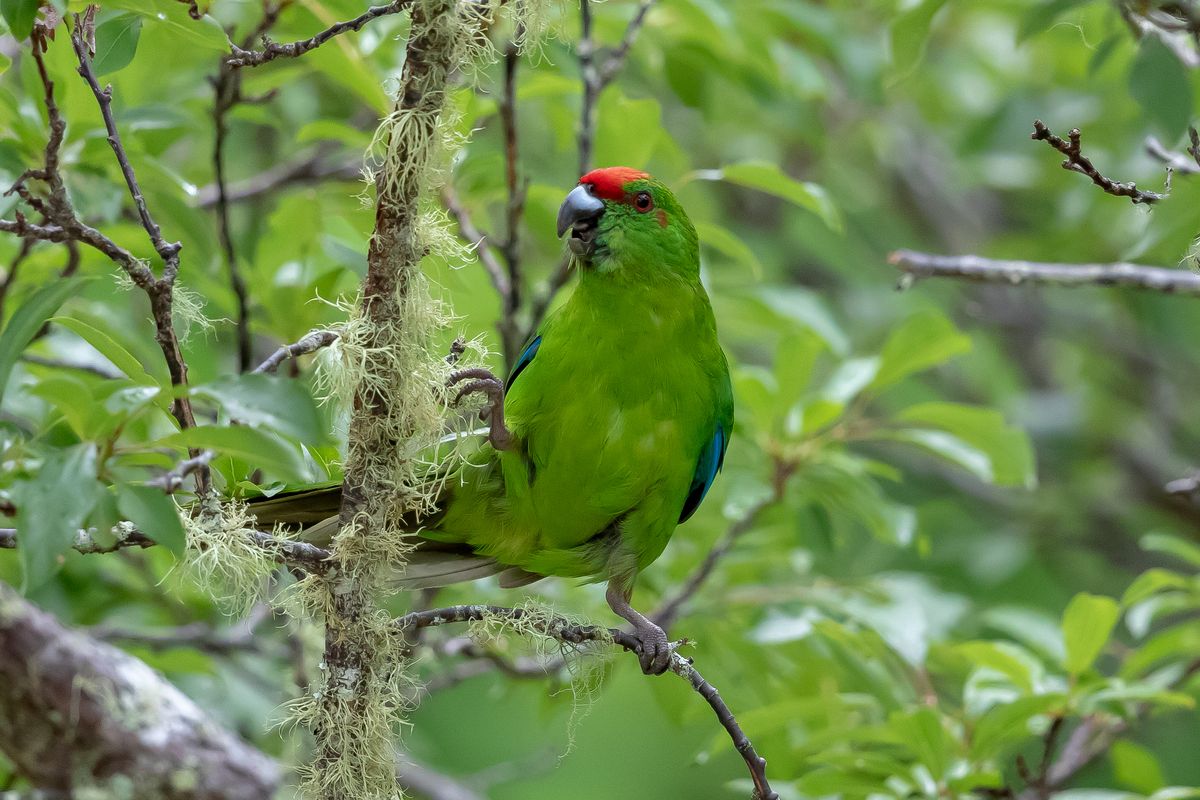
The relationships between animals and their environments are some of the most complex and fascinating that exist. From whales taking time for spa trips, to orangutans using local plants to treat wounds, animals' knowledge of what local flora can make them feel better is pretty damn impressive. New research suggests that Norfolk Island green parrots are also partial to a bit of the local foliage, and have been using plant bark to remove parasites – and maybe even getting themselves high in the process. Unfortunately, being a Norfolk Island green parrot (Cyanoramphus cookii) is pretty tricky with the amount of ectoparasites you have to look out for. These include things like feather-feeding lice, blood-feeding mites, ticks and fleas, fungi, and bacteria. Not only are these unwanted hitchhikers an annoyance, but they can transmit disease and affect reproductive success and, ultimately, survival. To remove these pests, birdkind is known to use ants in a process known as “anting”, as well as taking dust and more traditional water baths. Throughout the literature there have been a few reported cases of parrots stripping leaves off plants and either covering their feathers in the resulting juice, or placing the leaves themselves between their feathers. In the new study, the team observed the parrots visiting young pepper trees (Piper excelsum), where they self-anointed with the vegetation from the pepper trees. Separate observations, one in the winter of 2015 and a series over two summers from 2018-19 to 2019-20, saw birds visit these pepper trees. Once there, the birds bit a section off the lateral shoots and chewed a portion; they then proceeded to preen their feathers, often using preen oil from the uropygial gland. The team saw in their observations that the preen oil and the aromatics from the tree were combined and mixed through the feathers.             The pepper trees contain lots of smelly compounds including piperine, which is known to repel insects as well as having antimicrobial and anti-inflammatory properties. As well as the obvious benefits with regards to parasites, the team think there might be more to this behavior than hygiene.In an article in The Conversation, study first author Penny Olson explains that the parrots are enjoying themselves during their interactions with the pepper trees and could be getting an extra benefit from the components. Olson suggests that anting, in which the birds are subjected to formic acid, could have a similar effect, with the birds getting high off the fumes. “Likening green parrots rubbing aromatic vegetation through their plumage to inebriated pigeons falling from trees may seem a stretch. But nature rewards behaviour that offers evolutionary advantage, often, it seems by tapping into animals’ pleasure centres. The pursuit of pleasure is an important, usually overlooked, aspect of animal behaviour, worthy of attention and further research,” concluded Olson. The study is published in Austral Ecology.
Like
Comment
Share
Science Explorer
Science Explorer
2 yrs

Homosexuality Is Common In Animals So Why Do Scientists Rarely Talk About It?
Favicon 
www.iflscience.com

Homosexuality Is Common In Animals So Why Do Scientists Rarely Talk About It?

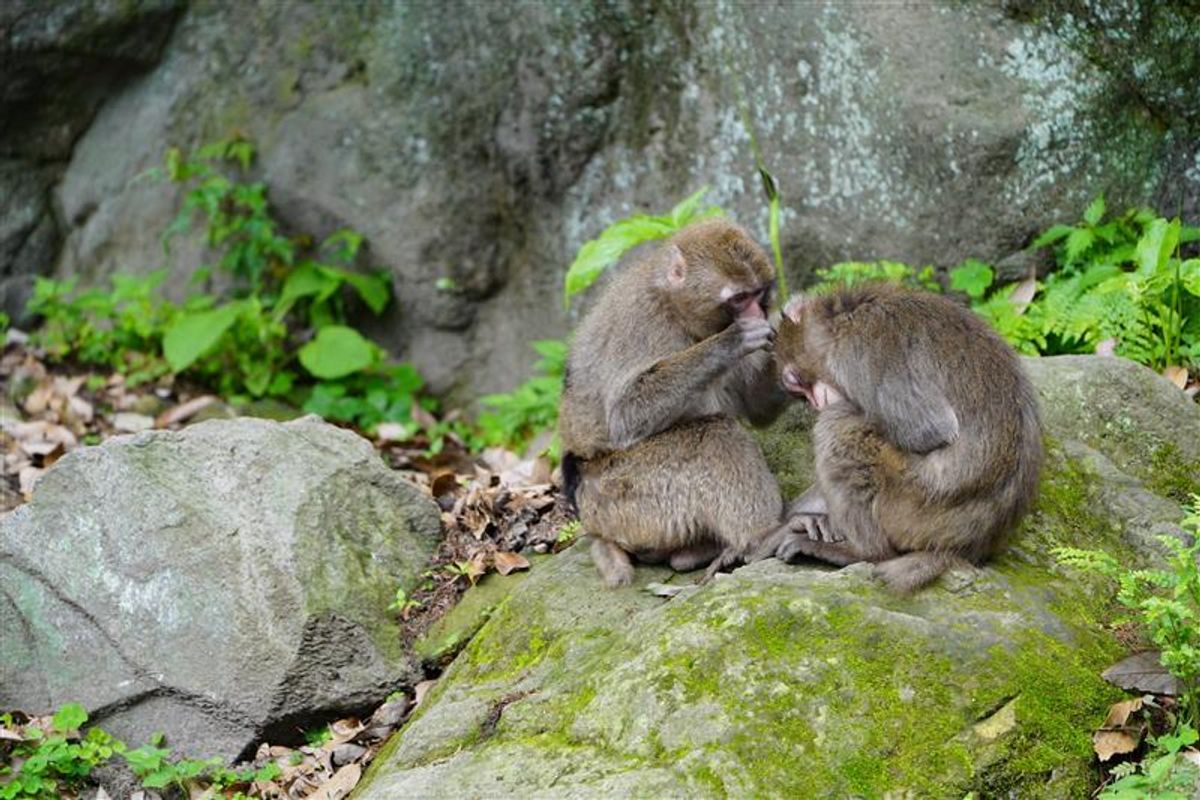
Same-sex sexual behavior has been observed in many non-human species across the world. It is now a widely recognized phenomenon, but a new study suggests that there is a sharp discrepancy between how common the behavior is and how often it is reported. According to this work, researchers often see same-sex sexual behavior in the mammals they study, but rarely publish information about it.Homosexual behavior in the animal kingdomEssentially, same-sex sexual behavior is any sexual act – including mounting, sexual penetration, oral sexual contact, or other forms of sexual stimulation – between members of the same sex. Homosexual behavior is extremely common and widespread in animal species, Josh Davis, of the Natural History Museum, London and author of A Little Gay Natural History explained to IFLScience.“Whilst it has only been officially recorded in around 1,500 species, this figure is likely a massive underestimate. This is because it can be found in pretty much every branch of the evolutionary tree, from beetles and butterflies to turtles and squirrels, so the idea that it is limited to just a few hundred species out of the 2.13 million described to date is incredibly unlikely.”Explanations for the evolutionary value of this behavior vary, Davis added, depending on the animal being examined. For example, “the behavioural cues for flies are going to be different to those for primates.”“By and large though, it has been suggested that homosexual behaviours could be beneficial for a range of aspects including social cohesion, stress release, and even just pure pleasure.”But despite its frequency and widespread occurrence, same-sex sexual behavior is not often reported in the scientific literature. So what’s going on?Publishing on homosexuality in animalsAccording to a new study published by Karyn A. Anderson, a graduate student in anthropology at the University of Toronto, and colleagues, the lack of studies on same-sex sexual behavior may come from the misperception that it is rare and therefore difficult to study systematically. In the past, this belief that it's uncommon was also mixed with contemporary moralistic ideas that viewed it as deviant and “unnatural”. Of course, such thinking was often deployed in ethical debates about homosexuality in humans."Historically, there were definitely fears that if a researcher were to publish on these behaviours they might in turn get associated with them, but in modern times it seems as if there are other factors in play," Davis told IFLScience. Even as attitudes changed throughout the 20th century, the “rare” assumption has persisted in scientific literature, despite the number of recorded instances continuing to rise. What has been missing is a systematic approach, but there may be reasons for why this has not yet occurred. Journals moving away from publishing short, anecdotal observations is a widespread problem in behavioural ecology as it means that occasional but interesting behaviours – such as homosexuality – often now go unreported.Josh DavisAnderson and her international team of colleagues believe certain methodological challenges, as well as this pervasive belief about the behavior’s rarity, may explain the gap in the publication record for this subject.Their analysis showed that out of 65 researchers examining 52 different species, 77 percent observed same-sex sexual behavior but only 48 percent collected data on it. In addition, only 19 percent of the researchers published their findings.Interestingly, the respondents to the research commented that their work was not influenced by sociopolitical factors. Instead, the responses generally fell into three categories – firstly, that they were unable to collect data due to competing research priorities; secondly, that the topics for publication did not rely on data related to this subject; and thirdly, that the behavior was too rare or “anecdotal” to be considered worthy for publication.This latter point is important as it highlights a bias within the publication industry surrounding anecdotal evidence – if it is not “common, " it is irrelevant. For instance, in the field of primatology, as the 21st century has gone on, there has been a shift towards quotative and statistical approaches, which are preferred to short narratives or anecdotal accounts."Journals moving away from publishing short, anecdotal observations is a widespread problem in behavioural ecology as it means that occasional but interesting behaviours – such as homosexuality – often now go unreported," Davis said.Anecdotes are extremely important for the study of things like same-sex sexual behavior, Anderson and colleagues also conclude, as they help us understand their relevance within the study of sexual behavior more generally.“The availability of anecdotal reports of [same-sex sexual behaviour], therefore, serves to benefit the scientific community and allows us to better understand the variability and distribution of [same-sex sexual behavior] across mammals,” they write.Expert surveys are therefore useful tools in wildlife biology, the team stress, especially in relation to behaviors that are not frequently reported or are believed to be rare. “Indeed, we found the use of an expert survey important, and even necessary, given that most respondents have not published their observations of [same-sex sexual behavior] in their study species. Expert surveys provide us with a tool to access and examine these behaviors on a broader scale.”It was only through anecdotal reports and expert surveys that we see just how widespread same-sex sexual behavior is. Although this study drew on a relatively small pool of respondents, it supports the idea that future work should pay closer attention to the value of these less fashionable ways of collecting and transmitting information, especially for supposedly rare behaviors. The paper is published in PLOS ONE. Read an excerpt from A Little Gay Natural History and our exclusive interview with Josh Davis in the July 2024 issue of CURIOUS. 
Like
Comment
Share
Showing 23362 out of 56670
  • 23358
  • 23359
  • 23360
  • 23361
  • 23362
  • 23363
  • 23364
  • 23365
  • 23366
  • 23367
  • 23368
  • 23369
  • 23370
  • 23371
  • 23372
  • 23373
  • 23374
  • 23375
  • 23376
  • 23377

Edit Offer

Add tier


Select an image
Delete your tier
Are you sure you want to delete this tier?

Reviews

In order to sell your content and posts, start by creating a few packages. Monetization

Pay By Wallet

Payment Alert

You are about to purchase the items, do you want to proceed?

Request a Refund