YubNub Social YubNub Social
    Advanced Search
  • Login

  • Night mode
  • © 2026 YubNub Social
    About • Directory • Contact Us • Privacy Policy • Terms of Use • Android • Apple iOS • Get Our App

    Select Language

  • English
Install our *FREE* WEB APP! (PWA)
Night mode
Community
News Feed (Home) Popular Posts Events Blog Market Forum
Media
Headline News VidWatch Game Zone Top PodCasts
Explore
Explore Jobs Offers
© 2026 YubNub Social
  • English
About • Directory • Contact Us • Privacy Policy • Terms of Use • Android • Apple iOS • Get Our App

Discover posts

Posts

Users

Pages

Group

Blog

Market

Events

Games

Forum

Jobs

The Lighter Side
The Lighter Side
2 yrs

Stop struggling with small talk by using the simple 'FORD method'
Favicon 
www.upworthy.com

Stop struggling with small talk by using the simple 'FORD method'

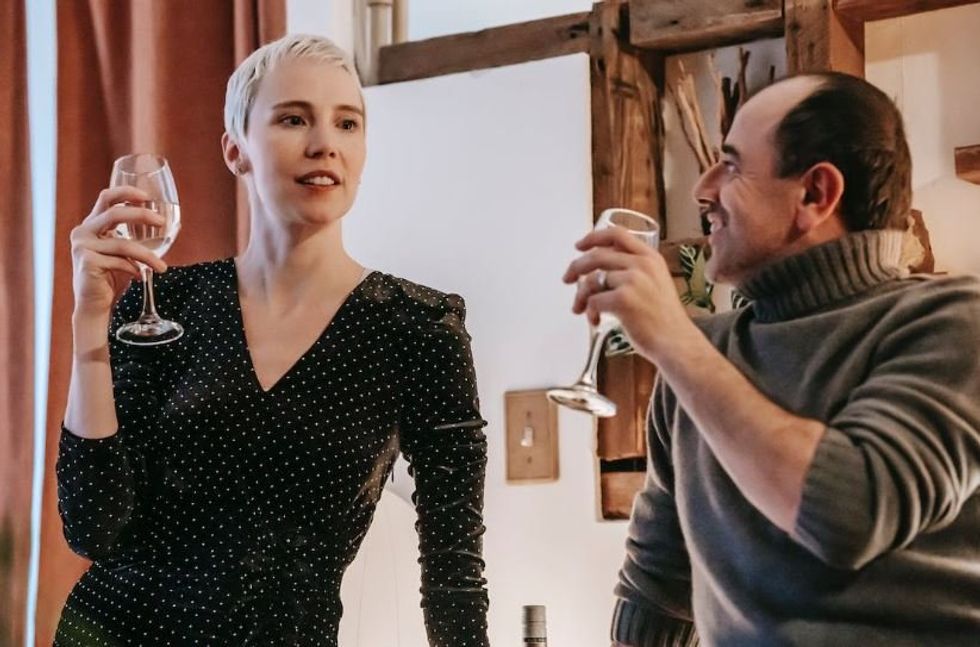
There are many reasons why people are nervous about entering social situations where they have to make small talk, such as a work event, a party where they don’t know many people, or at school.Some people don’t enjoy small talk because they get frustrated talking about seemingly unimportant topics. At the same time, others are shy and afraid they’ll say the wrong thing or run out of topics of conversation.Psychologists suggest those who are uncomfortable knowing what to say should use the FORD method. It’s an acronym that’s an easy way to remember four different topics of conversation that work with just about anyone.According to Nicole Arzt, M.S., L.M.F.T at Social Self, FORD stands for Family, Occupation, Recreation and Dreams.FamilyJust about everyone has a family, so it’s a great way to ask someone to share some information about their personal lives without being too forward. Arzt suggests the following questions when making small talk:Do you have any siblings?How did you two meet? (if you are meeting a couple for the first time)How old is your child?How is your____ (sister, brother, mother, etc.) doing since ____ (event that happened?)OccupationJust like a family, almost everyone has a job. Or, if they do not, that can be an interesting topic as well. Here are some starter questions you can ask someone about their job.What do you do for a living?How do you like working at _____?What’s your favorite part of your job?What made you interested in becoming a _____?RecreationYou can learn a lot about a person after knowing how they spend their free time. It’s also an excellent way to determine if someone is like-minded and shares the same interests. Here are some questions to get the ball rolling:What do you like to do for fun?Have you watched (or read) ______(popular show/book)?What are you up to this weekend?DreamsLearning someone’s hope for the future can tell you much about who they are on a deeper level. They may have just told you about their current job or how they spend their time. But, ultimately, what do they wish to do with their lives? Here’s how to ask someone about their dreams.Where do you hope to be working in the next few years?Where would you like to travel?What’s something you’d like to try in the future?Would you ever consider trying _____ (particular hobby or activity)?Arzt also notes that you shouldn’t just be an interviewer. You have to talk about yourself, too. In other words, you need a mutual take-and-give. “Pay attention to someone else's answers and think about how you can draw from your own experience to connect," she wrote.Not sure how much to say during a conversation? Follow the 43:57 rule. A numbers guy at Gong.io analyzed over 25,000 sales calls with AI and found the perfect speaking-to-listening ratio. Sales soared when the salesperson talked 43% of the time and listened for 57%.Even though this insight is from business calls, it applies to everyday social interactions. It's really about listening and making the other person feel special. After all, who doesn't love feeling heard and appreciated?This article originally appeared on 10.20.23
Like
Comment
Share
The Lighter Side
The Lighter Side
2 yrs

75-year-old ‘hip-hop granny’ impresses and inspires with her dance moves
Favicon 
www.upworthy.com

75-year-old ‘hip-hop granny’ impresses and inspires with her dance moves

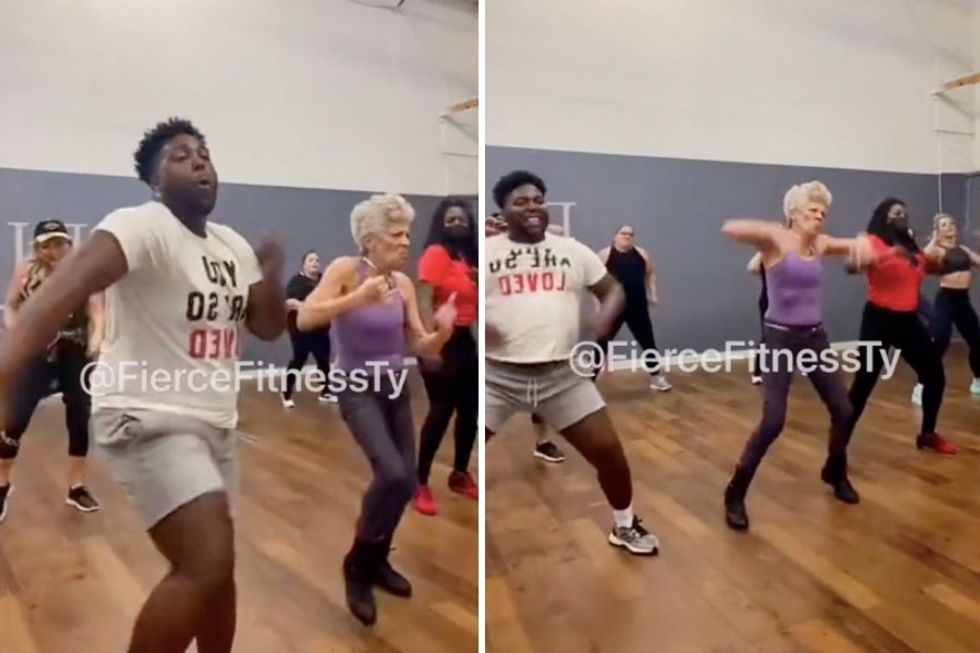
Stephanie Walsh isn't your average hip-hop dancer. At 75, "Ms. Stephanie" is still able to hold her own on the dance floor, popping and locking with people a third her age, and she loves it. When you see her dance—and her enviable muscle tone—you might think she'd been a trained dancer all her life. But she actually didn't take any formal dance lessons until she was almost 30. Walsh told Growing Bolder that she had wanted her daughter to dance when she was little, so she got her ballet lessons, which the daughter hated. Realizing that dancing was her dream and not her daughter's, Walsh took her kiddo out of ballet and started classes herself right away. She had always loved to dance and developing her skills only led to more and more dancing.These days, Ms. Stephanie gets her dance moves on at Fusion Fitness, where she encourages people to "dance like EVERYONE is watching." One video of her dancing at Fusion has gone viral multiple times, and it's easy to see why. Check this out: @fiercefitnessty Reposting this video of Ms.Stephanie & I since it going viral again. This video will always be a vibe. One thing Ms.Stephanie and I created was magic. We dance from our hearts. My classes are always about creating a Fierce vibe for everyone to show up and show out! . #fiercefitness #dancefit #fiercefitnessty #hiphopfitness #fyp #viral "Reposting this video of Ms.Stephanie & I since it going viral again," shared @fiercefitnessty on TikTok. "This video will always be a vibe. One thing Ms.Stephanie and I created was magic. We dance from our hearts. My classes are always about creating a Fierce vibe for everyone to show up and show out!"It's not just the dancing. It's the intensity. It's the full presence in the moment in her face and in her movements. She's there for it, and she brings everybody with her. "It’s the “I’m a badass” facial expression for me! " wrote one commenter on Facebook."I dislocated my shoulder just watching that " shared another."She can throw it back like the rest of them. You go girl!" shared another. Walsh shared that dancing has helped her get through many difficult periods in her life. Watch her share her story:Love it when people prove that age truly is just a number. The studio set up a fan page for Ms. Stephanie on Instagram, where you can see more of her joyful dancing here. This article originally appeared on 10.20.23
Like
Comment
Share
The Lighter Side
The Lighter Side
2 yrs

Compassionate interaction between a frazzled dad and his 6-year-old son has people in tears
Favicon 
www.upworthy.com

Compassionate interaction between a frazzled dad and his 6-year-old son has people in tears

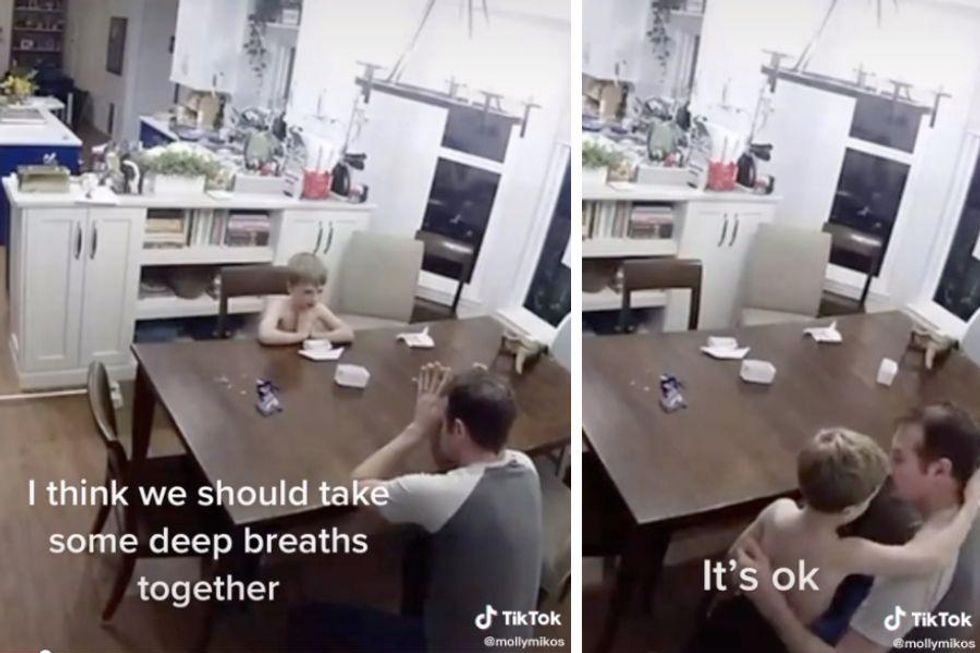
Anyone who has parented a spirited "threenager" knows how hard handling toddler tantrums can be. Parents often joke about our wee ones throwing down, because laughter is sometimes the only way to cope. But in reality, it can be extremely disturbing and distressing for the entire household when a family member carries on in a way that feels—or truly is—out of control.Major tantrums can be especially hard for parents who didn't have good parenting examples themselves. It takes superhuman patience to be the parents we want to be some days, and none of us does it perfectly all the time. When a child is screaming and crying over something irrational and nothing seems to be working to get them to stop, exhausted parents can lose their cool and respond in ways they normally wouldn't.That's one reason a TikTok video of a father and son captured in the aftermath of an epic toddler tantrum has caught people's attention. Many of us have been in the dad's shoes before, frazzled and shaken by the relentlessness and intensity of a 3-year-old's meltdown. And many of us have been in the son's shoes as well, witnessing a younger sibling's insanity and our parents' struggle to manage the situation.But the way this father and son support one another is bringing people to tears with its beautiful example of emotional regulation, empathy and connection.TikTok user @mollymikos shared the video, explaining that their 3-year-old had just thrown a 2 1/2-hour tantrum (which she clarified was actually two tantrums with a 10-minute break in between). "We did not have Unicorn Chopsticks and would not go to the store (where they don’t sell unicorn chopsticks….)," she explained when someone asked what the fit was over. Sounds about right. The tyrannical threes are no joke. So much to love in this video. First, the 6-year-old, whom Mikos describes as "empathetic" and "a deeply feeling kid," demonstrated impressive self-regulation skills. The way he started taking deep breaths and suggested that he and Dad do some deep breathing together was inspiring. Second, the dad apologized for losing it and explained that they were trying to set a better example as parents, which many parents are far too proud to do. Finally, the kiddo displayed such deep understanding and compassion, it was clear these parents have worked hard to create healthy emotional connections and open communication in their family. @mollymikos #selfregulation #meltdowns #threenagers #precociouschildren Mikos tells Upworthy that she and her husband have been working hard to break the stress cycles that so often get passed down from generation to generation. "I didn’t realize how much would be brought up by having children," she says. "We are working on repairing and changing the way we interact with our children so that they feel supported instead of shamed." Mikos says social media has given this generation of parents access to experts, studies and revelations that can help them navigate raising kids with gentle parenting principles. She personally finds inspiration on Instagram from Dr. Becky Kennedy, Janet Lansbury, Conscious Mommy and Eli Harwood. "They’ve changed my life," she says.People are loving the example Mikos and her husband are setting with—and for—their kids."This just goes to show how much of a great job your doing!!!" wrote one commenter. "Toddlers are hard and the fact your 6yo was able to empathize and communicate shows it.""This is why you’re good parents," shared another. "Your older child can regulate his emotions and is empathetic. That’s amazing at any age and you did that.""Not me sobbing at 2 am bc this is the healthiest parent-child relationship ever," wrote another. "Keep it up ??? yall are doing awesome."Mikos has been heartened by all the comments on her video. The fact that her husband apologized to their son for losing his patience was particularly moving for a lot of commenters, especially those who had parents who never did that. "Many people have said that they didn't realize parents could apologize to their children," she says. "Yes. Please apologize. They need to know we make mistakes, and that we still love them and are constantly trying to do better."Apologizing to our kids when we're in the wrong or when we behave in a way we're not proud of demonstrates respect and teaches accountability by example. The fact that this dad is comfortable apologizing is likely a big reason why his son has the emotional tools that he does.Gentle, compassionate parenting may not instantaneously end a tantrum, but it does pay off with big emotional and relational wins in the long run.This article originally appeared on 11.12.22
Like
Comment
Share
The Lighter Side
The Lighter Side
2 yrs

Viral post thoughtfully reexamines Kerri Strug's iconic broken ankle vault at 1996 Olympics
Favicon 
www.upworthy.com

Viral post thoughtfully reexamines Kerri Strug's iconic broken ankle vault at 1996 Olympics

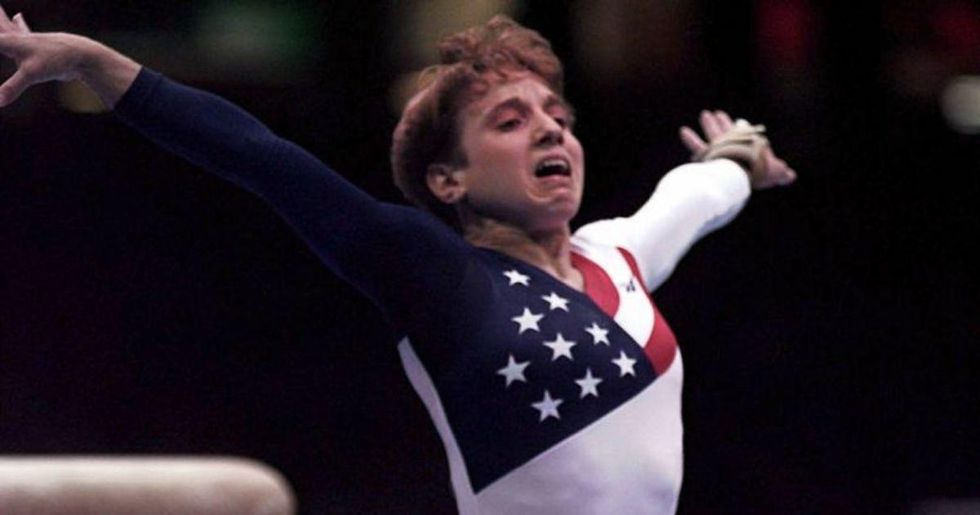
Simone Biles withdrawing from the team final in the Tokyo Olympics and subsequently withdrawing from the individual all-around finals after getting a case of the "twisties" has the world talking. She's received overwhelming support as well as overwhelming criticism for the move, with some praising her for recognizing her limits and others blasting her for not persevering through whatever she's dealing with.Some people pointed to Kerri Strug, who landed on one foot after vaulting with a broken ankle in the 1996 Olympics to help the U.S. win gold, as an example of the kind of sacrifice an athlete should be willing to make for their country. Byron Heath shared some thoughts about that fateful day in a viral Facebook post that has been shared more than 370,000 times in less than a day. Heath wrote:"This realization I had about Simone Biles is gonna make some people mad, but oh well.Yesterday I was excited to show my daughters Kerri Strug's famous one-leg vault. It was a defining Olympic moment that I watched live as a kid, and my girls watched raptly as Strug fell, and then limped back to leap again.But for some reason I wasn't as inspired watching it this time. In fact, I felt a little sick. Maybe being a father and teacher has made me soft, but all I could see was how Kerri Strug looked at her coach, Bela Karolyi, with pleading, terrified eyes, while he shouted back 'You can do it!' over and over again.My daughters didn't cheer when Strug landed her second vault. Instead they frowned in concern as she collapsed in agony and frantic tears.'Why did she jump again if she was hurt?' one of my girls asked. I made some inane reply about the heart of a champion or Olympic spirit, but in the back of my mind a thought was festering: *She shouldn't have jumped again*The more the thought echoed, the stronger my realization became. Coach Karolyi should have gotten his visibly injured athlete medical help immediately! Now that I have two young daughters in gymnastics, I expect their safety to be the coach's number one priority. Instead, Bela Karolyi told Strug to vault again. And he got what he wanted; a gold medal that was more important to him than his athlete's health. I'm sure people will say 'Kerri Strug was a competitor--she WANTED to push through the injury.' That's probably true. But since the last Olympics we've also learned these athletes were put into positions where they could be systematically abused both emotionally and physically, all while being inundated with 'win at all costs' messaging. A teenager under those conditions should have been protected, and told 'No medal is worth the risk of permanent injury.' In fact, we now know that Strug's vault wasn't even necessary to clinch the gold; the U.S. already had an insurmountable lead.Nevertheless, Bela Karolyi told her to vault again according to his own recounting of their conversation:'I can't feel my leg,' Strug told Karolyi.'We got to go one more time,' Karolyi said. 'Shake it out.''Do I have to do this again?' Strug asked. 'Can you, can you?' Karolyi wanted to know.'I don't know yet,' said Strug. 'I will do it. I will, I will.'The injury forced Strug's retirement at 18 years old. Dominique Moceanu, a generational talent, also retired from injuries shortly after. They were top gymnasts literally pushed to the breaking point, and then put out to pasture. Coach Karolyi and Larry Nassar (the serial sexual abuser) continued their long careers, while the athletes were treated as a disposable resource.Today Simone Biles--the greatest gymnast of all time--chose to step back from the competition, citing concerns for mental and physical health. I've already seen comments and posts about how Biles 'failed her country', 'quit on us', or 'can't be the greatest if she can't handle the pressure.' Those statements are no different than Coach Karolyi telling an injured teen with wide, frightened eyes: 'We got to go one more time. Shake it out.'The subtext here is: 'Our gold medal is more important than your well-being.'Our athletes shouldn't have to destroy themselves to meet our standards. If giving empathetic, authentic support to our Olympians means we'll earn less gold medals, I'm happy to make that trade.Here's the message I hope we can send to Simone Biles: You are an outstanding athlete, a true role model, and a powerful woman. Nothing will change that. Please don't sacrifice your emotional or physical well-being for our entertainment or national pride. We are proud of you for being brave enough to compete, and proud of you for having the wisdom to know when to step back. Your choice makes you an even better example to our daughters than you were before. WE'RE STILL ROOTING FOR YOU!"Many people shared Heath's sentiment, with comments pouring in thanking him for putting words to what they were feeling.We're in a new era where our lens of what's admirable, what's strong, and what's right has shifted. We understand more about the lifelong impact of too many concussions. We have trainers and medics checking on football players after big hits. We are finding a better balance between competitiveness and well-being. We are acknowledging the importance of mental health and physical health.We are also more aware of how both physical and mental trauma impacts young bodies. Though Kerri Strug pushing through the pain has long been seen as an iconic moment in sports, the adults in the room should have been protecting her, not pushing her through an obvious injury.And the way this fall of Dominique Moceanu at age 14 was handled is downright shocking by today's standards. She said she never received an exam for it, even after the competition was over. So wrong. \u201cIn our sport, we essentially dive into a pool w/ no water. When you lose your ability to find the ground\u2014which appears to be part of @Simone_Biles decision\u2014-the consequences can be catastrophic. She made the right decision for the team & herself. @bisping\u201d — Dominique Moceanu (@Dominique Moceanu) 1627483863 \u201c@Carolinafan0279 @Simone_Biles Nope \ud83d\udc4e\ud83c\udffb\u201d — Dominique Moceanu (@Dominique Moceanu) 1627483863 Athletes are not cogs in a wheel, and the desire to win a competition should not trump someone's well-being. Elite gymnasts already put themselves through grueling physical and mental feats; they wouldn't be at the top of their sport if they didn't. But there are limits, and too often in our yearning for a gold medal—or even for a triumphant Olympic story—we push athletes too far.Now we see some of them pushing back, and knowing what we know now, that's 100% a good thing.This article originally appeared on 07.28.21
Like
Comment
Share
The Lighter Side
The Lighter Side
2 yrs

This innocent question we ask boys is putting more pressure on them than we realize
Favicon 
www.upworthy.com

This innocent question we ask boys is putting more pressure on them than we realize

Studies show that having daughters makes men more sympathetic to women's issues.And while it would be nice if men did not need a genetic investment in a female person in order to gain this perspective, lately I've had sympathy for those newly woke dads.My two sons have caused something similar to happen to me. I've begun to glimpse the world through the eyes of a young male. And among the things I'm finding here in boyland are the same obnoxious gender norms that rankled when I was a girl.Of course, one notices norms the most when they don't fit. If my tween sons were happily boy-ing away at boy things, neither they nor I would notice that they were hemmed in.But oh boy, are they not doing that. In fact, if I showed you a list of my sons' collective interests and you had to guess their gender, you'd waver a bit, but then choose girl.Baking, reading, drawing, holidays, films, volleyball, cute mammals, video games, babies and toddlers, reading, travel, writing letters.I imagine many of you are thinking at this point: That's awesome that your boys are interested in those things!There's more. One loves comics and graphic novels but gravitates to stories with strong female protagonists, like Ms. Marvel and The Unbeatable Squirrel Girl.Cool! I love it.And sports. They are thoroughly bored by team sports. They don't play them. They won't watch them. They will up- or down-arrow through any number of sporting events on TV to get to a dance contest or to watch competitive baking.So? Nothing wrong with that.Those are the kinds of things all my progressive friends say.But it's often not the message my sons themselves hear from the other adults in their lives, their classmates, and the media.For example, the first get-to-know-you question they are inevitably asked by well-meaning grown-ups is, "So, do you play sports?" When they say, "No, not really," the adult usually continues brightly, "Oh, so what do you like to do, then?"No one explicitly says it's bad for a boy not to play sports. But when it's always the first question asked, the implication is clear: playing sports is normal; therefore, not playing them is not.The truth is that one of them does play a sport. He figure skates, as does my daughter. When people find out that she skates, they beam at her, as if she suddenly has possession of a few rays of Olympic glory. In the days before my son stopped telling people that he ice skates, most of them hesitated and then said, "Oh, so you are planning to play hockey?"But it's not just what people say. It's all those pesky, unwritten rules. When he was in second grade, my younger son liked the Nancy Drew and the Clue Crew series. But he refused to check any out of the school library. He explained: "Girls can read boy books, but boys can't read girl books. Girls can wear boy colors or girl colors, but boys can only wear boy colors. Why is that, Mom?"I didn't have an answer.An obvious starting point — and the one that we have the most control over — is to change the way we speak to the boys in our lives.As Andrew Reiner suggests in a spot-on essay, we should engage boys in analytical, emotion-focused conversations, just like we do with girls. In "How to Talk to Little Girls," Lisa Bloom offers alternatives to the appearance-focused comments so often directed at young girls: asking a girl what she's reading or about current events or what she would like to see changed in the world. I could copy-paste Bloom's list and slap a different title on it: "How to Ask Boys About Something Besides Sports."And with a few more built-in nudges, we might expand the narrow world of boyhood more quickly. Boy Scouts could offer badges for developing skills in child care, teamwork, and journaling. Girl-dominated activities like art, dance, gymnastics, and figure skating could be made more welcoming to boys, with increased outreach and retention efforts. My son could write his own essay about trying to fit in to the nearly all-girl world of figure skating, including the times he has had to change clothes in a toilet stall at skating events because there were no locker rooms available for boys.I used to think that the concept of gender — of "girl things" and "boy things" — was what was holding us back.Now I see it differently.The interdependent yin and yang of gender is a fundamental part of who we are, individually and collectively. We need people who like to fix cars and people who like to fix dinner. We need people who are willing and able to fight if needed and people who are exquisitely tuned into a baby's needs. But for millennia, we have forced these traits to align with biological sex, causing countless individuals to be dissatisfied and diminished. For the most part, we've recognized this with girls. But we have a long way to go when it comes to boys. As Gloria Steinem observed, "We've begun to raise daughters more like sons … but few have the courage to raise our sons more like our daughters."I acknowledge that young boys feeling pressured to be sports fans is not our country's biggest problem related to gender.Transgender individuals still confront discrimination and violence. The #MeToo movement has revealed to anyone who didn't already know it that girls and women can't go about their everyday lives without bumping into male sexual aggression.But if our culture shifts to wholeheartedly embrace the whole spectrum of unboyishness, it may play some small role in addressing these other issues, too. Male culture will be redefined, enriched, and expanded, diluting the toxic masculinity that is at the root of most of our gender-related problems.Boys and girls alike will be able to decide if they would rather be made up of snips and snails, sugar and spice, or a customized mix. And my future grandsons, unlike my sons, won't think twice about wearing pink or reading about a girl detective at school.This story originally appeared on Motherwell and is reprinted here with permission.This article originally appeared on 06.20.18
Like
Comment
Share
Classic Rock Lovers
Classic Rock Lovers  
2 yrs

How Neil Young wrote a hit song following a throat operation
Favicon 
faroutmagazine.co.uk

How Neil Young wrote a hit song following a throat operation

"I will discover another reason why I want to live." The post How Neil Young wrote a hit song following a throat operation first appeared on Far Out Magazine.
Like
Comment
Share
Classic Rock Lovers
Classic Rock Lovers  
2 yrs

How a fever inspired Eagles’ Don Henley to write one of their most popular songs
Favicon 
faroutmagazine.co.uk

How a fever inspired Eagles’ Don Henley to write one of their most popular songs

"I never took any of it seriously." The post How a fever inspired Eagles’ Don Henley to write one of their most popular songs first appeared on Far Out Magazine.
Like
Comment
Share
Classic Rock Lovers
Classic Rock Lovers  
2 yrs

The Beatles song Paul McCartney wrote for an imaginary woman
Favicon 
faroutmagazine.co.uk

The Beatles song Paul McCartney wrote for an imaginary woman

A nod to tradition. The post The Beatles song Paul McCartney wrote for an imaginary woman first appeared on Far Out Magazine.
Like
Comment
Share
Let's Get Cooking
Let's Get Cooking
2 yrs

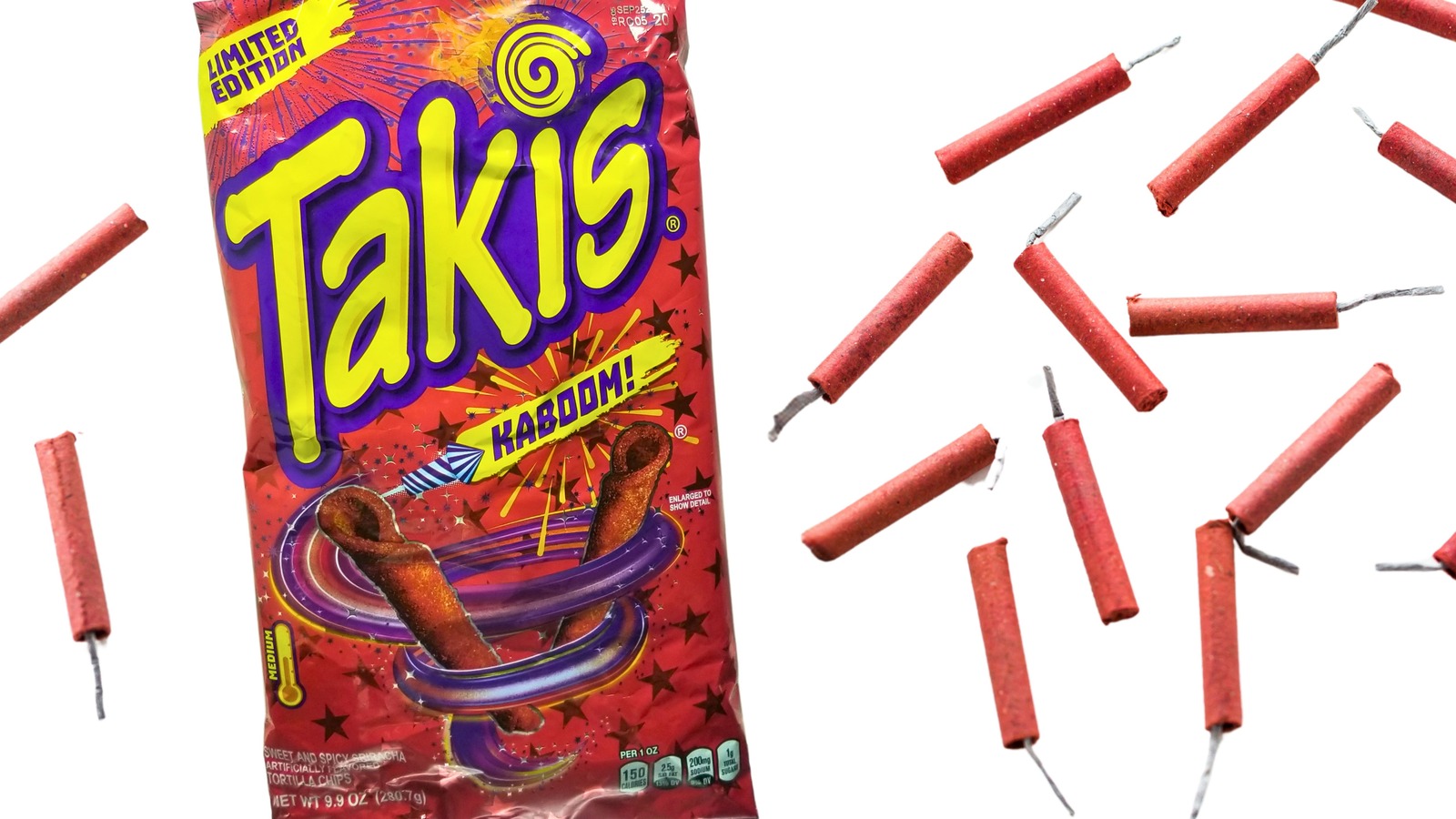
We Tried Takis Kaboom And Enjoyed The Flavor Explosion
Favicon 
www.mashed.com

We Tried Takis Kaboom And Enjoyed The Flavor Explosion

Takis are back with an explosive new flavor, Kaboom. We got our hands on a bag, and thankfully they lived up to their promise to "ignite your intensity."
Like
Comment
Share
Classic Rock Lovers
Classic Rock Lovers  
2 yrs

The Week In Rock:  July 1st – July 6th
Favicon 
rockintown.com

The Week In Rock: July 1st – July 6th

7/2 Heart postpones its “Royal Flush” tour so that singer Ann Wilson can undergo cancer treatment. She had undergone an operation to remove “something that, as it turns out, was cancerous.” 7/4 System Of A Down’s Serj Tankian continues his criticism of Imagine Dragons for playing a show in Baku, Azerbaijan because it helped “whitewash the dictatorial regime’s image.” In a Rolling Stone interview, Dan Reynolds (pictured above), Imagine Dragons’ frontman, states “(there are) corrupt leaders and warmongers all over the world, and where do you draw the line?” “Respectfully, I draw the line at ethnic cleansing and genocide,” writes Tankian on social media. 7/5 Visions Of Atlantis drops “Pirates II – Armada.” The set features the tracks “Monsters” and “Armada.” Influenced by Nightwish and fascinated by the myth of Atlantis, the band was founded in ’00. 7/6 AC/DC top the Hard Rock Digital Song Sales chart with their ‘90 hit “Thunderstruck” (from the band’s “The Razor’s Edge” set). The song first claimed the #1 spot on the Hard Rock Digital Sales chart back in ’12. ### The post The Week In Rock: July 1st – July 6th appeared first on RockinTown.
Like
Comment
Share
Showing 21646 out of 56670
  • 21642
  • 21643
  • 21644
  • 21645
  • 21646
  • 21647
  • 21648
  • 21649
  • 21650
  • 21651
  • 21652
  • 21653
  • 21654
  • 21655
  • 21656
  • 21657
  • 21658
  • 21659
  • 21660
  • 21661

Edit Offer

Add tier


Select an image
Delete your tier
Are you sure you want to delete this tier?

Reviews

In order to sell your content and posts, start by creating a few packages. Monetization

Pay By Wallet

Payment Alert

You are about to purchase the items, do you want to proceed?

Request a Refund