YubNub Social YubNub Social
    Advanced Search
  • Login

  • Night mode
  • © 2026 YubNub Social
    About • Directory • Contact Us • Privacy Policy • Terms of Use • Android • Apple iOS • Get Our App

    Select Language

  • English
Install our *FREE* WEB APP! (PWA)
Night mode
Community
News Feed (Home) Popular Posts Events Blog Market Forum
Media
Headline News VidWatch Game Zone Top PodCasts
Explore
Explore Jobs Offers
© 2026 YubNub Social
  • English
About • Directory • Contact Us • Privacy Policy • Terms of Use • Android • Apple iOS • Get Our App

Discover posts

Posts

Users

Pages

Group

Blog

Market

Events

Games

Forum

Jobs

Daily Caller Feed
Daily Caller Feed
2 yrs

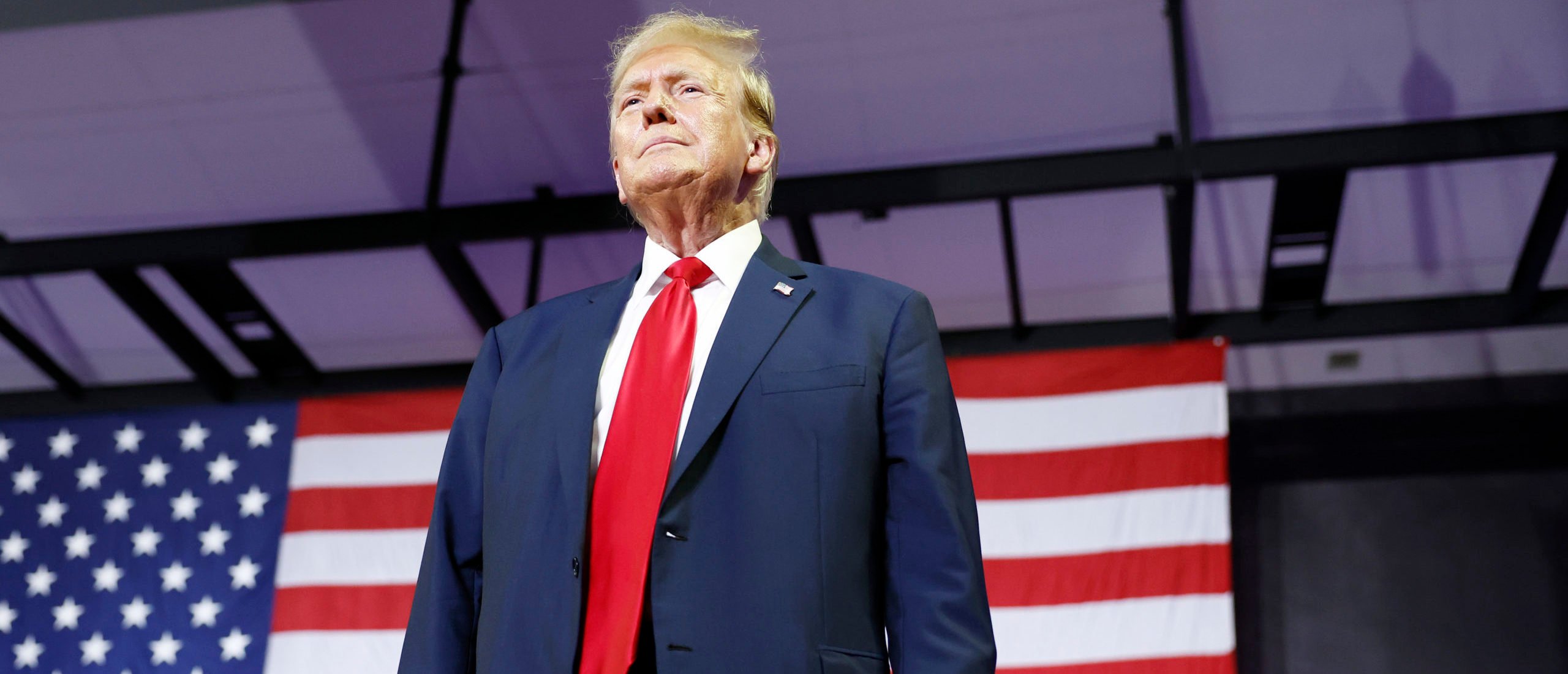
How Come No One Is Asking Dems To Put Country Over Party? The Answer Rhymes With Ronald Grump
Favicon 
dailycaller.com

How Come No One Is Asking Dems To Put Country Over Party? The Answer Rhymes With Ronald Grump

Politics aside, however, the case to put country over party has never been more obvious
Like
Comment
Share
Daily Caller Feed
Daily Caller Feed
2 yrs

Former Trump Attorney Tells CNN Immunity Ruling ‘Really Protects President Biden’
Favicon 
dailycaller.com

Former Trump Attorney Tells CNN Immunity Ruling ‘Really Protects President Biden’

'It really protects President Biden'
Like
Comment
Share
Daily Caller Feed
Daily Caller Feed
2 yrs

Communist Party talent program scooped up former Microsoft researchers. Now they work in China’s AI industry
Favicon 
dailycaller.com

Communist Party talent program scooped up former Microsoft researchers. Now they work in China’s AI industry

'Burying its head in the sand'
Like
Comment
Share
Classic Rock Lovers
Classic Rock Lovers  
2 yrs

Favicon 
www.classicrockhistory.com

Chris Slade: The ClassicRockHistory.com Interview

There are not many drummers in classic rock history who have had such a vast and successful musical career as Chris Slade. To showcase the career of someone like Chris Slade, who has played with some of the most famous musical artists in history, one must start chronologically. The first single that I ever bought as a young kid in the 1960s was a Tom Jones single. I never thought that, as an eight-year-old, I would interview the man who played drums on that record almost sixty years later. Chris Slade began his career playing with Tom Jones on all The post Chris Slade: The ClassicRockHistory.com Interview appeared first on ClassicRockHistory.com.
Like
Comment
Share
SciFi and Fantasy
SciFi and Fantasy  
2 yrs

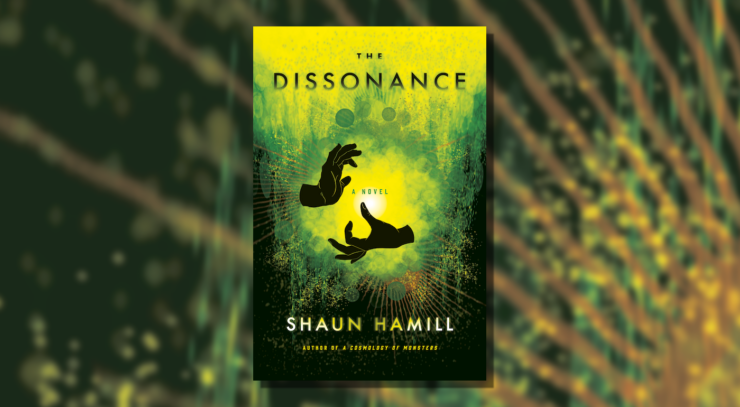
Read an Excerpt From Shaun Hamill’s The Dissonance
Favicon 
reactormag.com

Read an Excerpt From Shaun Hamill’s The Dissonance

Excerpts Contemporary Fantasy Read an Excerpt From Shaun Hamill’s The Dissonance A story of dark magic, terrible mistakes, and second chances. By Shaun Hamill | Published on July 1, 2024 Comment 0 Share New Share We’re thrilled to share an excerpt from The Dissonance, a new contemporary fantasy novel by Shaun Hamill, out from Pantheon on July 23rd. “You can never go home again,” the saying goes—but Hal, Athena, and Erin have to. In high school, the three were students of the eccentric Professor Marsh, trained in a secret system of magic known as the Dissonance, which is built around harnessing negative emotions: alienation, anger, pain. Then, twenty years ago, something happened that shattered their coven, scattering them across the country, stuck in mundane lives, alone.But now, terrifying signs and portents (not to mention a pointed Facebook invite) have summoned them back to Clegg, Texas. There, their paths will collide with that of Owen, a closeted teenager from Alabama whose aborted cemetery seance with his crush summoned something far worse: a murderous entity whose desperate, driving purpose includes kidnapping Owen to serve as its Renfield. As Owen tries to outwit his new master, and Hal, Athena, and Erin reckon with how the choices they made as teens might connect to the apocalyptic event unfurling over the Lone Star State, shocking alliances form, old and new romances brew, and three unsuccessful adults and one frightened teen are all that stand between reality and oblivion.  Hal Twenty-one years after killing his mother and one year after killing a man in a bar fight, Hal Isaac stands on the steps of St. Matthew’s Catholic Church in Vandergriff, Texas, and smokes a cigarette. His AA meeting has just let out. The sun has set, but the day’s heat remains like a physical force pushing down on his body, juicing him for sweat. He could hop into his car and crank the A/C, but he always gets a headache during meetings, and a cigarette grants his mind a few minutes to unfurl. It’s the main reason he took up the habit. Cigarettes give you a chance to press pause on life. He’s not the only one who feels this way. Probably two thirds of the meeting linger on and around the steps, clumped in groups of twos and threes, their tendrils of smoke rising into the oppressive air. Hal doesn’t stand with the others, but he appreciates their presence. They’re a buffer between him and loneliness. Their chatter washes over him while he studies the expensive-looking houses across the street. Do the upper-middle-class occupants look out their windows at this time of night? What do they think of the tableau of fuckups on the church steps? “Hey.” He hadn’t noticed the woman approach. Susie. A new face. Been coming for a few weeks, since Social Services took her kid. “Hey,” Hal says around his cigarette. “Congrats.” She nods to the chip in his left hand, the one they gave him at the end of tonight’s meeting. He’s been twirling it between his fingers like a close-up magician ever since. He stops and lets the aluminum circle fall into his open palm. It’s the gaudy blue you’d expect to see tossed from a Mardi Gras float, except for the triangle etched around a big roman numeral I. Buy the Book The Dissonance Shaun Hamill Buy Book The Dissonance Shaun Hamill Buy this book from: AmazonBarnes and NobleiBooksIndieBoundTarget “One year,” she says. “There are days when I think I’ll be lucky to make it to six weeks.” “One day at a time.” AA’s full of these little cliches. It takes as long as it takes. It works if you work it. In his old life, Hal, a Jew—if not a very good one—would have rolled his eyes at the pure WASP-y Christianity/motivational poster of it all. Now these trite aphorisms hold his sanity together. Susie pulls a pack of cigarettes from her purse. She slaps it on her palm a few times before pulling off the cellophane. “I forgot my lighter,” she says. “Help me out?” Hal gives her his full attention for the first time. She’s lying about the lighter. She wanted an excuse to talk to him. Hal’s always been able to find company like this when he wants. Jealous friends have called it his superpower. Hal, who knows what an actual superpower looks like, thinks of it as an accident of personality. He’s good at reading people, is all. AA says you’re not supposed to start new relationships during the first year of sobriety. And hooking up with a fellow alcoholic? That’s a double no-no. But Susie is pretty, and she seems nice, and Hal is feel­ing low tonight. His lawyer called earlier today to set up a meeting for tomorrow. Insisted they talk in person. That can only mean big news. Likely bad news. So Hal lets this conversation with Susie play out a little further. “Want to see a magic trick?” he asks. Susie spreads her hands in a by all means gesture. He closes his eyes and pushes past all the worry and anxiety to that deep place in his center that he never visits anymore. He makes an exception tonight because he wants to delight this sad, pretty woman. There’s nothing in the blue book that forbids making a pretty woman smile. He strikes his mind against the spark of pain in his middle. Light flashes behind his eyelids and he opens them in time to watch Susie’s cigarette light itself without visible assistance. This little show is the extent of what he can do these days. He doesn’t understand why he has this talent. It isn’t one he had as a kid, when he could do far more impressive things. “Ta-daa,” he says. Susie pulls the cigarette from her mouth and looks like she might drop it, or maybe throw it at him. She’s not charmed. She’s freaked out. She jerks a thumb toward the parking lot, where no cars have arrived for several minutes. “My ride is here. I better go.” “Sure thing,” he says. “But congrats on your one year. And thanks for the reminder! One day at a time!” He raises a hand in farewell as she speed-walks away from him. She drops her cigarette, its cherry winking orange on the pavement. He follows her far enough to stamp out the fire and pick up the butt. He frowns at it, and it bursts like a trick cigar in a cartoon. Tobacco and paper waft through the sticky air, down toward the lawn. Hal looks around, but everyone else seems busy with their own thoughts and preoccupations and conversations. He decides his mind is as clear as it’s going to get tonight. He drives home, to his studio apartment, and tries, mostly unsuccessfully, to sleep. He rises logy and miserable the next morning and considers call­ing in sick to work, but his meeting with his lawyer isn’t until the afternoon, and he needs a distraction until then. Also, he needs every penny for his stack of overdue bills and attorney fees. He showers and goes to the auto finance company where he works. He answers emails and phone calls from customers hoping to resched­ule their car payments. Everyone he talks to seems to have prepared a speech, a justification for why they should be allowed to skip this month’s payment or at least be given an extra week to get the money together. Customers think they have to convince Hal, but the truth is that every one of this company’s customers is allowed to rearrange their payment date as often as they’d like, and everyone is also allowed a cer­tain number of skipped payments before the repo men are unleashed. This latter number is based on an algorithm—the unholy union of payment history with the company and overall credit score. Hal’s job is mostly to put a human face in front of the algorithm, to create the illusion that the company cares about its customers. There is one decision he gets to make every time he answers a phone call or email. He gets to decide how friendly he wants to be. For exam­ple, around 11 a.m., Hal gets a call from a man who wants his APR adjusted. Normally Hal would sympathize; he’s never been great with money himself, and has often bitten off more than he can financially chew. But this guy? This fucking guy. “You need to lower my APR,” the man says. It’s the voice of some­one used to issuing orders and being obeyed. “It’s too high.” Hal’s voice remains placid, pleasant. “That’s not a service we offer. I can help arrange your payment schedule—” “Are you deaf? I don’t need to change my payment date. I need to change the amount you’re gouging me every month.” Most people’s hackles would rise at this tone. Hal’s seen it happen with his coworkers. Hal, on the other hand, settles back into his chair and smiles. Call it another superpower, or accident of personality. “Sir, I would remind you that you took out an auto loan with a sub­prime lending company,” he says. “Excuse me?” “You came to us because you needed to clean up your credit,” Hal says. “That’s an extra risk to us, and an extra risk comes with an extra cost.” “Now listen,” the man says. “We didn’t create this situation,” Hal says, upbeat and friendly. “We’re helping you tidy it up. You’re paying us for the favor. You agreed to all of this in writing, and it’s not our fault if you didn’t bother to read your contract. The APR will not change. But if you’d like to talk about changing your due date or would like to make a payment today, I’d be happy to help you.” “Fuck you, you little prick.” “I see here you’re already past due,” Hal says. “Would you like to make your payment?” “Eat shit and die,” the man says before he hangs up. Hal sighs, relaxed for the first time all day. He loves a fight, verbal or physical. He’s good at them. Can keep his cool while other people lose theirs. But the high is short-lived. As the morning drags on and the sec­onds tick toward his meeting with his lawyer, he fumbles call after call, and eventually asks his supervisor if he can move to emails for the rest of the day. For lunch, he goes to Taco Bell and orders two bean burritos. He sits in a booth meant for four, and while he eats, he stares into the middle distance, hoping the salt and fat will soothe his nerves. They do, for the few minutes it takes to eat them. Hal clocks out at 2 p.m., and drives into Dallas. Hal’s lawyer, Rob­ert K. Tuttle, has his own building right off I-35. The frosted glass on the front doors bears a crest that reads “LIBERTY OR DEATH.” It’s the sort of thing a tacky person would mistake for classy. The inside is every bit as ostentatious, with track lights and large paintings of Southwestern landscapes on the walls. It’s a ridiculous place, but the firm’s results are impressive. Tuttle’s website has a long list of DWI and intoxication manslaughter charges dismissed or refiled as lesser charges. It’s why Hal sold almost everything he owned to hire Tuttle. The receptionist is polite and cheerful as she directs Hal to one of the plush leather chairs in the lobby. Hal tries to play a game on his phone as he waits, but he can’t concentrate. After a few minutes, the attorney appears in his office doorway, shaking hands with a middle-­aged woman who looks like she’s having a bad day. Her sunken eyes are haunted, rimmed by heavy bags. Tuttle waits until she’s out the front door before he shakes Hal’s hand. “Hal,” Tuttle says. “How are you today?” “You tell me.” Tuttle leads Hal into his office and takes a seat behind a massive desk with the “Liberty or Death” crest carved into the front. Hal takes one of the small chairs opposite, feeling like a little kid called to the principal’s office. Tuttle steeples his fingers. “You know I didn’t invite you here to talk about the weather.” “I figured.” “It’s not easy or fun to say this. The DA’s office made a plea offer and I think it’s the best we’re going to get.” “Okay,” Hal says. His voice sounds far away to his own ears. “Ten years, with a chance of parole after the first five years served.” “Five to ten years,” Hal says. “We don’t have to take it,” Tuttle says. “We can go to trial, but it’s a gamble. You might be acquitted, but you could also end up with a longer sentence. And a trial would cost you more, whether you won or lost.” “I see,” Hal says, because he feels like he has to say something. “Take a few days,” Tuttle says. “Think about it.” He stands to let Hal know the meeting is over. Hal follows him out of the office. Tuttle pats him on the back but doesn’t try to shake his hand again, for which Hal is grateful. Hal’s legs carry him to the edge of the sidewalk in front of the build­ing before they give out and he sits down hard on the pavement. Pain shoots up from his tailbone, and the numbness vanishes, replaced with a sharp hatred of everything about Robert K. Tuttle, that smarmy cartoon of a man. Fucker probably thinks ten years is a good deal. Another victory to add to the list on his website. Hal spreads his knees and lowers his head. He focuses on his breath, counts from one to ten. He’s in the middle of the third round of count­ing when the earth rumbles. He looks up toward the highway, think­ing it must be a truck, but he sees nothing big enough to make the ground shake. Also, the tremble isn’t moving like an eighteen-wheeler. It seems to be everywhere. He tries to stand up, to look around, but the ground beneath him softens, then pulls taut and bounces him like a kid on a trampoline. He trips and falls onto the sidewalk on his hands and knees. The burritos he had for lunch backflip in his stomach. Acid burns up his throat and he vomits all over the pavement. Bile splashes the back of his hands. When his stomach stops heaving, he realizes that the earth has fallen quiet below him. He tries to stand again, bracing himself against the bumper of his car. The tint of the world has changed. Everything has turned a burned, brownish tinge. The sky is a fiery red. But on the highway next to Tuttle’s office, cars hurtle down the road as normal. No one stops to gape or scream like extras in a disaster movie. Is no one else seeing this? Is it just Hal? Did the plea deal snap his sanity? His phone vibrates in his pocket. He bends over and wipes his hands on the grass before taking it out. The notification is a Facebook event invitation: THE CLEGG HIGH SCHOOL20th ANNIVERSARY MEMORIAL SERVICE From The Dissonance: A Novel by Shaun Hamill. Reprinted by permission of Pantheon Books, an imprint of the Knopf Doubleday Publishing Group, a division of Penguin Random House LLC. Copyright © 2024 by Shaun Hamill. The post Read an Excerpt From Shaun Hamill’s <i>The Dissonance</i> appeared first on Reactor.
Like
Comment
Share
Gamers Realm
Gamers Realm
2 yrs

FFXIV Pictomancer guide: Best rotation, skills, hotbar setup, leveling tips, and more
Favicon 
www.pcinvasion.com

FFXIV Pictomancer guide: Best rotation, skills, hotbar setup, leveling tips, and more

Pictomancer and Viper are the two new Jobs introduced in the Dawntrail expansion of Final Fantasy XIV Online, and while Viper seemed like the cooler of the two at first glance, the community has fallen in love with the magical powers of Pictomancer. The Pictomancer Job in Final Fantasy XIV seems incredibly complex when you first unlock it, but it’s actually one of the more simple classes in FFXIV once you get the hang of things. All you have to worry about is managing a few important cooldowns and you’ll be rewarded with crazy burst damage. Table of ContentsHow to Unlock the Pictomancer Job in Final Fantasy XIVAll Pictomancer Skills in Final Fantasy XIVFinal Fantasy XIV Pictomancer Job RotationLevel 80 Pictomancer RotationLevel 80 Pictomancer Hotbar SetupLevel 90 Pictomancer RotationLevel 100 Pictomancer RotationBest Pictomancer Weapons in FFXIV and How to Get ThemHow to Level Pictomancer to 100 Fast in FFXIV DawntrailWondrous TailsRoulettesBozjaAllied Society Quest...
Like
Comment
Share
Daily Signal Feed
Daily Signal Feed
2 yrs

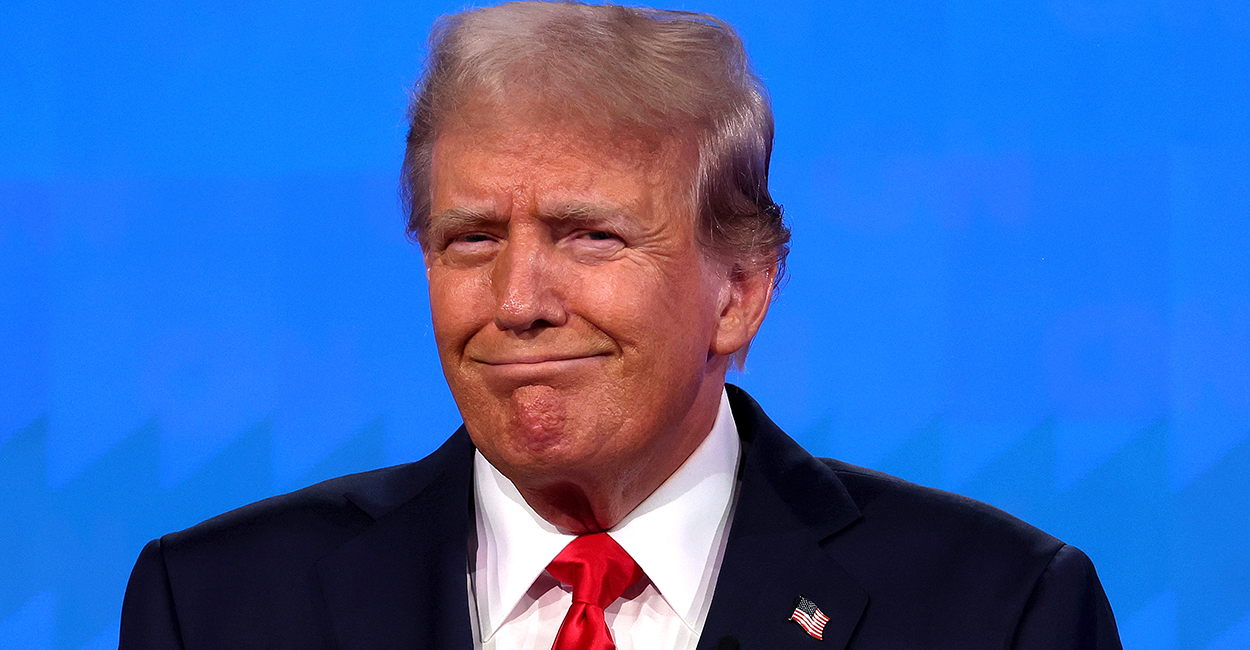
Supreme Court Clarifies Scope of Presidential Immunity, Giving Trump (and Future Presidents) Substantial Victory
Favicon 
www.dailysignal.com

Supreme Court Clarifies Scope of Presidential Immunity, Giving Trump (and Future Presidents) Substantial Victory

In what is undoubtedly one of the most significant constitutional decisions it has ever issued with respect to the separation of powers and the powers of the presidency, the Supreme Court issued a 6-3 decision Monday saying that former presidents are entitled to broad immunity from criminal prosecution after they leave office for acts committed while in office.  The decision in Trump v. U.S., with a majority opinion written by Chief Justice John Roberts, is just as historic as the high court’s March 4 decision in Trump v. Anderson, in which the court held unanimously that Trump could not be disqualified from the presidential ballot under the insurrection clause of the 14th Amendment. The Supreme Court’s decision in Trump v. U.S. is one, however, that will likely have a bigger impact on how presidents are likely to act in the future while in office. In the wake of criminal charges that brought against him by special counsel Jack Smith for acts Trump undertook while contesting the outcome of the 2020 presidential election and during the events of Jan. 6, 2021, Trump asked the Supreme Court to decide whether a former president has absolute immunity from criminal prosecution for his “official” acts as president.  This is an issue of first impression before the high court. The closest case on point is Nixon v. Fitzgerald (1982), in which the court held that a president has absolute immunity from civil liability arising from any acts “within  the ‘outer perimeter’ of his official responsibility.” Trump argued that former presidents should be absolutely immune from criminal prosecution for any “official acts” they undertook as president, with the sole exception being for acts which led to a president’s impeachment by the House of Representatives and subsequent removal from office by the Senate after a trial.  As support, Trump cites the Constitution’s impeachment judgment clause, which provides: “Judgment in Cases of Impeachment shall not extend further than to removal from Office, and disqualification to hold and enjoy any Office of honor, Trust or Profit under the United States: but the Party convicted shall nevertheless be liable and subject to Indictment, Trial, Judgment and Punishment, according to Law.”  Trump noted that, although the Democrat-run House impeached him twice while in office, the Senate acquitted him both times following a trial.  Moreover, Trump claims, the second impeachment trial covered “much of the same conduct charged in the indictment.” Judge Tanya Chutkan, who is presiding over the D.C. criminal case, rejected Trump’s immunity claim, holding that a former president “may be subject to federal investigation, indictment, prosecution, conviction, and punishment for any criminal acts undertaken while in office.” Her ruling was affirmed on appeal by the U.S. Court of Appeals for the D.C. Circuit, which declined even to extend the Fitzgerald standard to the criminal context. Writing in Federalist No. 70, Alexander Hamilton decried feebleness in a president and said that an effective president must be vigorous and ever-prepared to act energetically, decisively, and with dispatch if he is to best serve our national interests. The president of the United States, Hamilton wrote, should never hesitate out of fear of the possibility of being criminally prosecuted after leaving office for decisions he made while in office—especially in times of crisis.  While rejecting Trump’s broader argument premised on the impeachment judgment clause—Roberts stated in his majority opinion that “the text of the Clause provides little support for such an absolute immunity”—the Supreme Court, sensitive to the concerns raised by Hamilton and by the Fitzgerald court, still gave Trump’s lawyers most of what they wanted. The high court provided Trump (and all future former presidents) with a broad measure of protection for official actions he and others undertake while in office. Indeed, Roberts noted that while former presidents are less likely to be prosecuted than they are to be sued, the threat of being sent to prison would no doubt have a far greater chilling effect than the possibility of paying a civil monetary judgment. Roberts noted that, although a president shares certain powers with Congress, Article II of the Constitution vests certain powers—such as the power to issue pardons, veto legislation, nominate judges, or negotiate treaties—exclusively with the president. The court made it clear that presidents are absolutely immune for actions taken within their exclusive constitutional authority.   The high court stated that, as Trump’s lawyers had conceded during oral argument, former presidents are not immune for unofficial acts that they undertake in office (Bill Clinton’s deposition testimony, where he likely perjured himself, in the Paula Jones case would be a quintessential example of an unofficial act undertaken while he was still in office). But the court provided some guidance about how to distinguish between what is an official act and what is an unofficial act, while leaving it up to the trial court take the first crack at applying these standards to the allegations against Trump. Borrowing from Fitzgerald, the court held that former presidents are presumptively immune from prosecution for actions they undertook within the outer perimeter of their official responsibilities, and that it is the prosecution’s burden to present enough evidence to overcome that presumption by showing that such a prosecution would pose no “dangers of intrusion upon the authority and functions of the Executive Branch.” Moreover, Roberts stated, a reviewing court may not inquire into a president’s motives, since conducting such a “highly intrusive” inquiry would undoubtedly involve courts examining sensitive internal deliberations based on mere allegations of wrongdoing.  Such “broad-reaching discovery,” Roberts wrote, could “seriously cripple the President’s exercise of his official duties.” Furthermore, the Supreme Court added that testimony or private records of the president or his advisers probing such conduct may not be admitted as evidence at trial, adding to the government’s burden of persuasion. While leaving many issues for the trial court and, potentially, the D.C. Circuit to ponder, the high court’s majority did dispatch some allegations against Trump. The court held that Trump’s discussions with Justice Department officials clearly fell on the side of official acts that fall within a president’s “conclusive and preclusive” authority for which he cannot be prosecuted (which may also have an impact on pending criminal charges against former Assistant Attorney General Jeff Clark). The majority also cast serious doubt—without deciding the issue—on the viability of the charges against Trump stemming from his communications with then-Vice President Mike Pence. The court noted that communications between presidents and vice presidents about the scope of their official responsibilities are considered official acts, which would seemingly cover the scope of Pence’s duties under the Constitution and the Electoral Counts Act with respect to the Electoral College certification process.  However, since the vice president is also the president of the Senate, a legislative body, the Supreme Court remanded this issue to the trial court to assess whether a prosecution involving Trump’s alleged attempts to influence Pence’s oversight of the certification proceedings would “pose any dangers of intrusion on the authority and functions of the Executive branch.” The court touched upon—again, without deciding—other aspects of the case against Trump. These included Trump’s interactions with state officials claiming that the election results in those states were tainted by fraud and his involvement in arranging for contingent electors (referred to as “fake” electors by the mainstream media) to cast votes for him in states where there was still ongoing litigation. Roberts said that this would involve “a close analysis of the indictment’s extensive and interrelated allegations.”  Regarding Trump’s speeches and social media posts on and around Jan. 6, 2021, when the Capitol riot occurred, Roberts left open the possibility that some of those remarks, “perhaps as a candidate for office or party leader,” might fall on the side of unofficial conduct. But the chief justice added that “Presidents possess extraordinary power to speak to his fellow citizens and on their behalf,” and as a result, “most of a President’s public communications are likely to fall comfortably within the outer perimeter of his official responsibilities. Roberts concluded his majority opinion by stating: The President enjoys no immunity for his unofficial acts, and not everything the President does is official. The President is not above the law. But Congress may not criminalize the President’s conduct in carrying out the responsibilities of the Executive Branch under the Constitution. And the system of separated powers designed by the Framers has always demanded an energetic, independent Executive. The President therefore may not be prosecuted for exercising his core constitutional powers, and he is entitled, at a minimum, to a presumptive immunity from prosecution for all his official acts. That immunity applies equally to all occupants of the Oval Office, regardless of politics, policy, or party. Precisely so! Once the case is remanded to the lower court, Chutkan will have to assess the impact of Monday’s decision. The thumb on the scale will favor Trump, not the special counsel. Moreover, Chutkan also will have to grapple with the extent to which Fischer v. U.S., which the high court announced Friday, applies to Trump.  In Fischer, the Supreme Court ruled in favor of one of the Jan. 6 defendants and narrowed the scope of 18 U.S.C. § 1512, a federal statute enacted in the wake of the Enron scandal that addresses obstruction of an official proceeding. Two of the four charges pending against Trump in that case allege violations of that section of the code.   Chutkan may also decide to take up an issue raised by Justice Clarence Thomas in a concurring opinion, and which Judge Aileen Cannon is currently considering in the Florida classified documents case—whether Smith’s designation as special counsel by the Justice Department violates the Constitution’s appointments clause, since Smith was neither nominated by a president nor confirmed by the Senate to that position. Thomas left no doubt what he thinks about that issue. All of this makes it extremely unlikely that Trump’s D.C. case will be heard before the Nov. 5 election, if ever. Monday’s ruling will also have a dramatic effect on the pending charges against Trump in Fulton County, Georgia, potentially crippling that already-troubled prosecution as well. Overall, it was a very good day for Donald Trump.  The post Supreme Court Clarifies Scope of Presidential Immunity, Giving Trump (and Future Presidents) Substantial Victory appeared first on The Daily Signal.
Like
Comment
Share
Reclaim The Net Feed
2 yrs

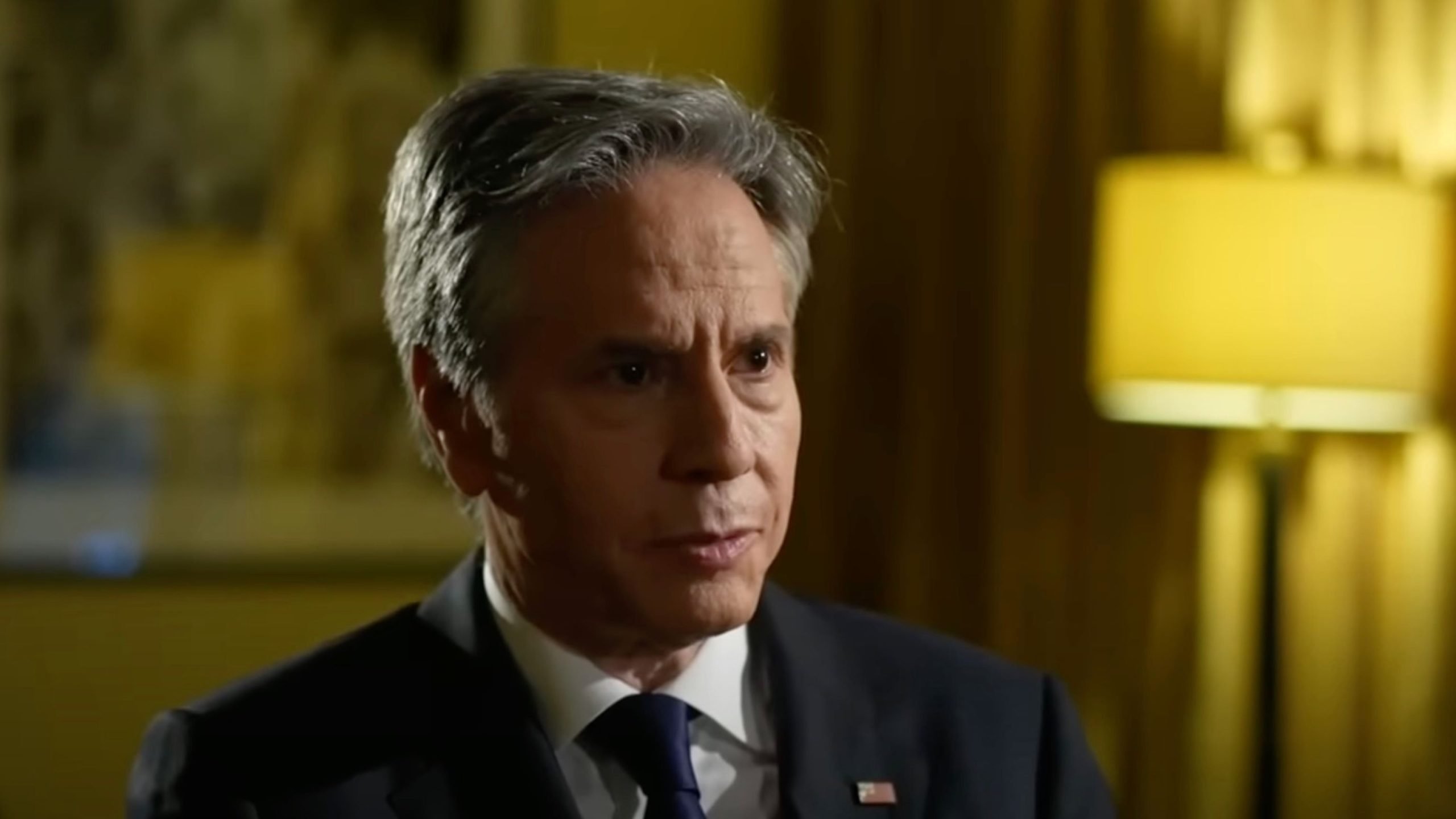
Blinken Bets Big on AI to Combat “Misinformation”
Favicon 
reclaimthenet.org

Blinken Bets Big on AI to Combat “Misinformation”

If you're tired of censorship and dystopian threats against civil liberties, subscribe to Reclaim The Net. The current US secretary of state, Anthony Blinken, has revealed that his department is testing AI-based tools as a way to fight “misinformation.” In conversation with the State Department’s chief data and AI officer Matthew Graviss, he cited a number of initiatives – such as the UN’s Sustainable Development Goals and Washington’s Enterprise AI Strategy as the foundations for the ultimate goal – using AI to “advance our foreign policy.” The second part of the push to equip the State Department with AI tools is to – “strengthen this institution.” According to Blinken, his department is a leader within the government when it comes to testing and “harnessing” the technology. Some reports speak about this as combating whatever happens to be considered foreign disinformation. And while on the subject of meddling, the Washington Times says AI tests are “part of an ambitious media monitoring and analysis project that spans the globe.” As sinister as that may sound, packaging the message as the need to combat (only) “foreign disinformation” certainly makes the policy more palatable at home, where the department’s past activity features in congressional probes into government-orchestrated online censorship. This scrutiny is presented as something hindering the Department of State’s “anti-disinformation” work – while the tools now in development are quite openly described as a possible different means “to pursue the same goals.” Blinken’s remarks reveal how the technology is used seemingly innocuously as a (translation and summarization) tool “in multilateral organizations;” but then he praised the ability of AI-powered tools to make mass surveillance (“monitoring”) cover a much larger number of media, making its scope and scale “vast,” as the report put it. And also – combat “disinformation” – which Blinken quite dramatically refers to as “one of the poisons in the international system today.” “We have one program that we’re using that is able to basically ingest a million articles every day from around the world — to be able to do that in a couple hundred countries in over a hundred languages — and then immediately translate, synthesize and give you a clear picture of what’s happening in the information space immediately,” the secretary is quoted as saying. But given the scale of the operation, and the shortcomings of the current limitations of AI – those in the know might wish Blinken good luck with the accuracy and reliability of getting that “immediate, clear picture.” However, when the “AI weapon” is pointed at online platforms as a means of identifying and censoring “disfavored” speech, it is objectively more likely to be efficient. And the State Department is no stranger to such – strange given its mission – activities: after all, it is the home of the investigated-by-Congress and highly controversial Global Engagement Center. If you're tired of censorship and dystopian threats against civil liberties, subscribe to Reclaim The Net. The post Blinken Bets Big on AI to Combat “Misinformation” appeared first on Reclaim The Net.
Like
Comment
Share
Hot Air Feed
Hot Air Feed
2 yrs

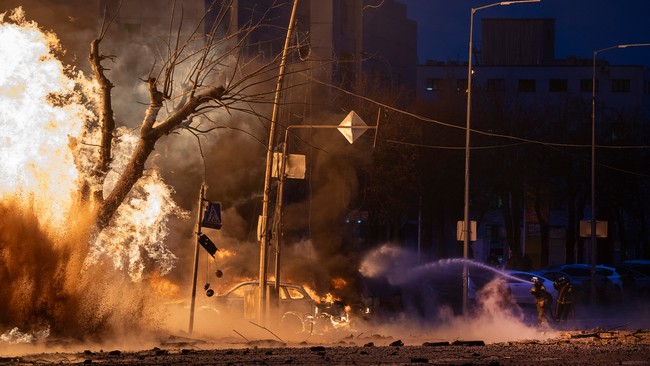
Ukraine Begins Sending Prisoners to the Front Lines
Favicon 
hotair.com

Ukraine Begins Sending Prisoners to the Front Lines

Ukraine Begins Sending Prisoners to the Front Lines
Like
Comment
Share
Pet Life
Pet Life
2 yrs

Pekingese wins ‘World’s Ugliest Dog’ contest and his adorable face is melting hearts
Favicon 
animalchannel.co

Pekingese wins ‘World’s Ugliest Dog’ contest and his adorable face is melting hearts

In Petaluma, California, a one-of-a-kind beauty pageant unfolds each year, drawing crowds and canine contestants alike. This isn’t your typical dog show – it’s the world-renowned competition aimed at finding the “world’s ugliest dog.” The event celebrates the unique appearances and stories of various dogs, showcasing their charm and resilience. Amidst the excitement and wagging... The post Pekingese wins ‘World’s Ugliest Dog’ contest and his adorable face is melting hearts appeared first on Animal Channel.
Like
Comment
Share
Showing 22163 out of 56670
  • 22159
  • 22160
  • 22161
  • 22162
  • 22163
  • 22164
  • 22165
  • 22166
  • 22167
  • 22168
  • 22169
  • 22170
  • 22171
  • 22172
  • 22173
  • 22174
  • 22175
  • 22176
  • 22177
  • 22178

Edit Offer

Add tier


Select an image
Delete your tier
Are you sure you want to delete this tier?

Reviews

In order to sell your content and posts, start by creating a few packages. Monetization

Pay By Wallet

Payment Alert

You are about to purchase the items, do you want to proceed?

Request a Refund