YubNub Social YubNub Social
    Advanced Search
  • Login

  • Night mode
  • © 2026 YubNub Social
    About • Directory • Contact Us • Privacy Policy • Terms of Use • Android • Apple iOS • Get Our App

    Select Language

  • English
Install our *FREE* WEB APP! (PWA)
Night mode
Community
News Feed (Home) Popular Posts Events Blog Market Forum
Media
Headline News VidWatch Game Zone Top PodCasts
Explore
Explore Jobs Offers
© 2026 YubNub Social
  • English
About • Directory • Contact Us • Privacy Policy • Terms of Use • Android • Apple iOS • Get Our App

Discover posts

Posts

Users

Pages

Group

Blog

Market

Events

Games

Forum

Jobs

History Traveler
History Traveler
2 yrs

Protein or Propaganda&;#63; The Story Behind America’s Love Affair with Milk
Favicon 
www.thecollector.com

Protein or Propaganda&;#63; The Story Behind America’s Love Affair with Milk

  For generations‚ Americans have subscribed to the belief that consuming milk has an abundance of health benefits‚ including weight management and stronger bones. The United States government maintained that drinking two to three servings of milk every day was healthy. Milk was touted to be a Victory Food during wartime and had even been made a compulsory item in school lunches since the 1940s. How true were these claims that have been strongly backed by the government and aggressively marketed via the media throughout the 20th century&;#63;   Humans Have Been Consuming Milk for a Long Time A painting from the tomb of Methethi in Saqqara‚ Ancient Egypt that depicts a cow-milking scene‚ circa 2371–2350 BC. Source: ThoughtCo   Was milk really helping to build a healthier America or was it mere propaganda manufactured to protect or enable the massive dairy industry&;#63; Let’s delve into the politics and uncover the economics behind America’s most culturally defining beverage.   The practice of animal milk drinking is said to date as far back as 9‚000 years ago. Close examination of ancient pottery shards discovered in Turkey found hints of milk fats‚ leading archaeologists to believe that milk had been a staple of the diet of early settlers. Researchers who analyzed ancient dental plaque have also confirmed human consumption of goat milk in East Africa some 6‚000 years back. Ancient Egyptians consumed cow milk and goat milk while using donkey milk for medicinal purposes. During the Bronze Age‚ around 3‚000 years ago‚ humans were using cow milk to feed their newborns‚ which is evident from traces of milk found on the pots. Later‚ milk became a staple for pastoral empires in the likes of the Xiongnu and the Mongols.   We Were Biologically Intolerant of Milk A terra cotta milk bowl from the late Bronze Age‚ circa 1550–1400 BC. Source: Museum of Archaeology &; Biblical History‚ Albuquerque   Adult humans were not made to drink a lot of milk‚ at least not without spending a considerable amount of time in the toilet afterward. Milk contains a sugar called lactose‚ which is only digestible with a unique enzyme called lactase that is produced by babies before weaning. Adult humans were not capable of producing lactase and therefore could not properly digest lactose. However‚ with generations of genetic mutation and evolution‚ in some parts of the world today humans are lactase persistent—meaning their bodies can easily digest milk sugars. As opposed to their Asian and African counterparts‚ more than 90% of Northern Europeans are lactase persistent.   Enter The Game Changer: Pasteurisation Louis Pasteur‚ 1881. Source: The Pasteur Museum‚ Paris   One major historical downside to milk was that it went bad quickly. That explained why our predecessors would rather use milk to make sour yogurt‚ butter‚ and cheese. While some tried to extend the shelf life of milk by lowering it down wells to keep it cold‚ few managed to make it last long. It would take pasteurization in the mid-19th century to truly change the name of the game for milk. In the 1860s‚ French chemist and microbiologist Louis Pasteur heated wine and beer up to 50–60°C and cooled them down‚ killing harmful microorganisms while leaving those that caused fermentation. Pasteur’s groundbreaking technique was applied to dairy products and helped prevent them from going bad quickly. This made for safe mass production and laid the foundations for a flourishing dairy industry.   An advertisement by Abbotts promoting pasteurized milk‚ 1930. Source: USDA National Agricultural Library‚ Beltsville   It was only in the 1920s and 1930s that pasteurization became widespread‚ accelerating the growth of the dairy industry‚ particularly in the United States. Before that‚ raw milk was known to contain harmful bacteria such as Salmonella and E. coli. With pasteurization‚ the risk of diseases transmitted through raw milk was vastly reduced‚ leading to an improvement in public health. At the same time‚ consumer confidence was boosted as more and more people trusted the rigorous process of ensuring the safety and hygiene of milk products. As pasteurization became an industry norm with the governmental mandate‚ it contributed to the improved shelf life and standardized the quality of the milk that was being produced and distributed.   The Rise of Milk: Supporting the War Effort A poster produced by the United States Food Administration to encourage milk consumption as opposed to wheat‚ meat‚ fats‚ and sugar‚ which were to be shipped to Europe to support the Allied Powers‚ 1917. Source: University of Minnesota Libraries   However‚ even before pasteurization became mainstream‚ milk was being promoted by the United States government as safe and nutritious to consume (as food and not a beverage). During the early 20th century‚ the United States Food Administration ran countless campaigns highlighting the health benefits of consuming milk. Milk was marketed as a square meal—convincing Americans that milk made for an adequate meal since it contained butter fat‚ sugar‚ protein‚ and mineral salts. Some of these campaigns—especially those created during World War I—were even stretching the messaging to encompass national identity and patriotism.   Poster appealing to the patriotism of Americans – parents were encouraged to feed their children cereal with milk and save the wheat for the frontline soldiers‚ 1918. Source: University of Minnesota Libraries   At the same time‚ another war-related factor was fueling the rise of milk. To support the Allied Powers on the European front‚ the United States government sent milk in canned and powdered forms to soldiers overseas. To meet the increased demand‚ dairy farmers ramped up milk production. Not only did they forsake other forms of farming to concentrate on milk‚ but they also invested capital into the latest technology to aid milk production. This would later lead to a sticky situation after the war—a surplus of milk with no one to sell it to‚ even with ridiculously cheap prices.   Surviving the Surplus Situation Milk poured out by insurgent members of the Pure Milk Association seeking to force higher prices‚ 1933. Source: Chicago Tribune   Exacerbated by the Great Depression‚ the surplus problem forced desperate farmers to stage multiple strikes throughout the 1930s to agitate for better milk prices. During that time‚ milk per quart was sold at 10 cents‚ of which 3.76 cents would go to farmers. Distributors refused the farmers’ demand for higher milk prices‚ arguing that the public would not buy it. In retaliation‚ farmers went on strikes‚ poured gallons of milk on the ground‚ and sabotaged milk deliveries. To appease the farmers‚ the government had no choice but to step in with federal programs and policies to create artificial demand.   The cover of a government document on the School Milk Program‚ with the slogan “Building a Stronger America&;#33;” 1942. Source: U.S. Department of Agriculture‚ National Agricultural Library‚ Beltsville   The Federal Milk Program for Schools‚ or School Milk Program‚ started in 1940 when milk was distributed to low-income schools at highly subsidized rates. Those who could not afford to pay received milk for free. Later‚ the 1946 National School Lunch Act made it compulsory for every lunch in school to include whole milk. While it appeared that the government was shoving milk down people’s throats‚ they maintained that their sole objective was to reduce malnutrition and hidden hunger among American schoolchildren. The slogan was that the School Milk Program was “Building a Stronger America.”   World War II &; Milk Propaganda Part Two A Carnation Milk advertisement with a message on patriotism‚ 1944. Source: Museum of History &; Industry‚ Seattle   Having experienced the success of milking wartime uncertainty and patriotism‚ the United States government replicated the formula during World War II. Propaganda materials repeatedly highlighted the nutritional value of consuming milk as it contained calcium‚ vitamin D‚ and protein. Civilians were also encouraged to drink more milk not only as a healthy food choice but also to support the war effort.   Poster for Cleveland Division of Health promoting milk‚ 1940. Source: Library of Congress‚ Washington   Posters and advertisements of the time often featured soldiers and celebrities consuming the Victory Food in an attempt to influence the everyday consumer. The government dished out nutritional advice that recommended two to three servings of milk daily‚ and by 1945‚ the average American was consuming almost 45 gallons of milk a year. Relentless propaganda had successfully ingrained the sacred existence of milk in the American psyche—it was almost like milk flowed in the blood of all Americans.   Hello Surplus‚ My Old Friend Butter and cheese being stacked and distributed during a surplus of dairy products‚ 1983. Source: History   Decades of marketing and bombarding people with nutritional messages might have changed American dairy consumption patterns. However‚ the pattern of the government bailing the dairy farmers out did not change‚ as history would repeat itself in the late 1970s. During the economic downturn‚ the agricultural sector faced destabilizing challenges such as inflation and high interest rates. Then-U.S. President Jimmy Carter came to the rescue of the struggling farmers‚ dedicating up to US $2 billion in the form of subsidies‚ price supports‚ and other financial assistance. As a result‚ farmers became rich overnight and were incentivized to ramp up milk production.   Facing a surplus‚ the government had to buy tons of unsold milk‚ but this time‚ they chose to process it into cheese‚ butter‚ and even dehydrated milk powder. This led to the infamous‚ pungent-smelling Government Cheese of the 1980s that Americans would hate to be reminded of. A far cry from the intricately crafted artisan cheeses from Europe‚ the American Government Cheese came in the form of a pale-orange‚ five-pound block of processed sadness. However‚ instead of letting some 300 million pounds of cheese turn moldy‚ the government packaged them as part of a Temporary Emergency Food Assistance Program where the surplus cheese would be given to the elderly or low-income groups.   Make America’s Milk Great Again Pop icon Britney Spears in a “Got Milk&;#63;” advertisement‚ 1999. Source: Saveur   As American milk consumption continued to dip throughout the 1980s‚ the billion-dollar dairy industry was at risk of collapsing. Desperate‚ the United States government hired top-tier marketing agencies and experts to run campaigns to increase milk demand. This birthed the famous Got Milk&;#63; advertisements‚ arguably one of the most iconic marketing campaigns ever to grace the TV screens and magazines of the United States.   People who grew up in the 1990s would remember seeing peculiar government-sponsored commercials of characters consuming milk to clear their throats from sticky or dry foods. Print ads with celebrities from Jennifer Aniston to Britney Spears sporting milk mustaches were another unforgettable trademark of the campaign. Across the nation‚ the Got Milk&;#63; slogan was printed on numerous toys and product boxes such as cereals and cookies. Despite the success of the aggressive campaign‚ milk consumption increased only in California and not across America.   Milk in the Era of Plant-Based Alternatives Plant-based milk alternatives in the market‚ 2019. Source: American Society for Nutrition   As new research emerged over the years‚ findings that ran counter to what the government has been claiming for the past century gained traction. Heavy in caloric and saturated fat content‚ milk has been linked to weight gain and cardiovascular diseases. Other studies also criticized the unethical nature of exploitative dairy farming and its associated environmental concerns. As a result‚ Americans’ opinion of milk today has shifted significantly. Some have relocated entirely to the plant-based milk camp‚ praising healthier and less fatty options in the market today such as oat milk‚ coconut milk‚ and soy milk. Others have sworn off whole milk while decrying the cow milk propaganda of the 20th century and calling it a government conspiracy.   Got Milked&;#63; The Great Dairy Deception and Why You’ll Thrive Without Milk by Alissa Hamilton‚ 2015. Source: Harpers Collins   Best known for the provocative book Got Milked&;#63; The Great Dairy Deception and Why You’ll Thrive Without Milk‚ author Alissa Hamilton strongly endorsed the argument. She is one of the most vocal commentators on America’s twisted love affair with milk. In her book‚ she detailed the unfounded government health claims‚ relentless official propaganda throughout the years‚ as well as calcium-rich food alternatives that are better than milk. More significantly‚ Hamilton highlighted the jarring conflict of interest when we have the government supposedly coming up with health guidelines and endorsing the massive dairy industry at the same time. Today‚ the whole milk versus plant-based milk battle continues to rage on. As influential dairy lobbies and the United States government stand firmly by their century-old proposition on the various health benefits of whole milk‚ consumers are left to tread the fine line between state-endorsed propaganda and the increasingly divided public opinion.
Like
Comment
Share
History Traveler
History Traveler
2 yrs

The Rise of the Minamoto: Japan’s First Shogunate
Favicon 
www.thecollector.com

The Rise of the Minamoto: Japan’s First Shogunate

  Japan‚ 1180. For decades‚ the Chrysanthemum Throne had been under the tentative sway of two rival families: the Taira and the Minamoto‚ both of them vying for control of the Imperial Court and with it‚ power over the whole of Japan. The Taira at the time was by far the most dominant power‚ having seeded family members throughout the court in positions of power and influence‚ as well as owning land all across the country. The Minamoto had been largely disgraced because they sided with an unfavored contender for the throne and were  exiled from the capital.   The Taira Rise to Power Taira No Kiyomori‚ c. 1300‚ Source: Archives Japan   The Taira clan consisted of members of the royal family who had been stripped of their rank and given positions of nobility by Emperor Kanmu‚ who reigned from 782 to 805 CE. This was done to prevent confusion when passing rulership down. Otherwise‚ the grandsons and relatives of previous Emperors would potentially compete for succession by claiming legitimacy. Of course‚ this ended up happening anyway despite his efforts. Even an Emperor who abdicated the throne could still wield enormous influence‚ making their endorsement invaluable for aspiring nobles.   The main figure in this conflict on the Taira side was Taira Kiyomori‚ the ruler of the clan in the latter half of the 1100s. Kiyomori supported the former Emperor Go-Shirakawa‚ and during the Heiji Incident of 1156‚ saved him from the Minamoto. As a reward‚ Kiyomori became daijo daijin‚ the highest office of the government aside from the throne itself. Using this power‚ he seeded loyal followers throughout the provinces and made use of the Taira skill at seafaring to bolster their trade relations with Song China. The Taira clan were also called the “Heike‚” the on’yomi (Sino-Japanese) reading of the kanji for their name.   Enter the Minamoto Minamoto no Yoshitomo‚ by Yashima Gakutei‚ 1821‚ Source: Ukiyo-e.org   Like the Taira‚ the Minamoto were another branch of the Emperor’s lineage and one of the most numerous. At its height‚ the clan contained 21 branches‚ several of whom would figure prominently in later eras‚ with both the Ashikaga and Tokugawa shogunates claiming descent from the Minamoto. Here we will look at the Seiwa Genji—“Genji” being the on’yomi reading of the kanji for “Minamoto.”   Almost from their inception‚ the Minamoto had a reputation as fierce warriors‚ and Takeda Shingen would continue their legacy centuries later. The Fujiwara‚ another once-powerful clan who were often imperial regents‚ allied with them in this period in the hope that maybe they could one day use the Minamoto as a boost to reclaim the power and influence they had previously held. Some of the Minamoto were indeed skilled warriors‚ but skill at arms alone would not prevail. They needed to also have skills in diplomacy‚ negotiation‚ and subterfuge to succeed.   The Heiji Rebellion and the Exile of the Minamoto Night Attack on Sanjo Palace‚ 13th century‚ Source: Boston Museum of Fine Arts   When Taira Kiyomori took some time out to make a pilgrimage‚ Minamoto Yoshitomo seized the opportunity to take the palace and oust the Taira clan from power. Alongside him was Fujiwara Nobuyori.   Unfortunately for Yoshitomo‚ although the initial assault was successful‚ he didn’t plan his next move or make any decisive entrenching actions‚ which allowed Kiyomori to return and regain control. Yoshitomo was killed‚ but his three youngest sons Yoritomo‚ Noriyori‚ and Yoshitsune were only exiled. Yoritomo and Noriyori went to Izu‚ while Yoshitsune went to Kurama-dera and studied with the monks there before relocating to the north of Japan.   Beginnings of the Genpei War Actor as Emperor Antoku with Tsuki-no-tsubone‚ by Utagawa Kunisada‚ 1856‚ Source: Ukiyo-e.org   The Genpei War — named after the alternate readings of the kanji of the two clans — began in 1180‚ when Taira Kiyomori installed his grandson Antoku as Emperor after the prior Emperor abdicated. Antoku at the time was barely a toddler. The Crown Prince Mochihito‚ having been denied his presumed rightful place‚ sent out a rallying call to those who wished to see the downfall of the Taira. Minamoto Yorimasa answered‚ gathering a group of warriors to his banner and marching on Kyoto. After a failed assault on the palace‚ they fled across the Uji River and lit the fires of rebellion.   Yoritomo Minamoto‚ the eldest son of Yoshitomo‚ rapidly took over the Kanto region and the other eastern provinces. His charisma‚ battle acumen‚ and a dose of already-present hatred of the Taira allowed him to gain a large army sufficient to challenge them. The Battle of Fujikawa was the death knell for the idea of unquestioned Taira supremacy: The Taira army broke and fled from the encroaching Minamoto forces.   The stress of dealing with the Minamoto and uprisings in other provinces led to Taira Kiyomori’s death by illness in 1181‚ and his second son took over the clan leadership but did not measure up to Kiyomori’s abilities. His first son‚ on the other hand‚ had already perished.   The Yowa Famine Pictures of Flowers of Japan‚ by Ogata Gekko‚1898‚ Source: Japanese Prints   In any agrarian society‚ the prevailing weather can mean the difference between life and death. Starting in 1180‚ the Yowa Famine‚ which lasted over two years‚ ravaged western Japan. Food stockpiles depleted because not enough could grow and the various armies throughout the countryside took what was left. Death from starvation was rampant in the western provinces‚ and the Taira could not sustain their assault on the Minamoto.   While the Taira ruled Japan from the capital‚ the Imperial court lay low. Like everyone else‚ they were starving; to get food‚ they would often try to sell their precious treasures‚ with limited success. After all‚ during a famine‚ no one cares about gold or gemstones. The people of the city fled to the nearby mountains hoping to make their way in the wild.   Yoritomo offered peace if the Taira would recognize the Minamoto clan’s rule of eastern Japan‚ but this was rejected. Little did the Taira know that Yoritomo was in secret contact with Go-Shirakawa‚ convincing him to push the court into legitimizing the secondary government of the Minamoto. Their warriors also received the authority to act as peacekeepers throughout Japan‚ suppressing uprisings‚ protecting the interests of the nobility and laying the groundwork for samurai rule.   Kiso Yoshinaka and the Flight of the Child Emperor Tomoe Gozen‚ by Kitao Masayoshi‚ Edo Period‚ Source: Ukiyo-e.org   While Yoritomo held the Kanto plain‚ Yoshitsune became a ward of the Fujiwara remnants in the north. A distant Minamoto cousin Yoshinaka (who took the surname Kiso for the mountain range in his home province) fought to the northwest in Shinano. Yoshinaka was a fearless and impetuous general who‚ rather than focus on the larger goal of Minamoto independence‚ simply wanted to fight the Taira on his own terms. With the aid of his consort Tomoe Gozen‚ his army took over Kyoto. The remaining Taira fled‚ taking Emperor Antoku and the Imperial Regalia with them to the west.   Yoshinaka decided that because he had been the one to conquer the city‚ leadership of the Minamoto clan should be his by right of conquest. He had no sense of rulership‚ etiquette‚ or any of the other qualities that had allowed Yoritomo to be successful. Yoritomo commanded his brothers Yoshitsune and Noriyori to eliminate the wayward Yoshinaka‚ which they did at the Battle of Awazu. The legend of Tomoe (as well as Tomoe herself) and Yoshinaka’s last stand has seen numerous depictions in pop culture.   Yoshitsune’s Campaign The Battle of Ichi-no-Tani‚ on folding screen‚ late 1600s‚ Source: Wikimedia Commons   After Yoshinaka’s death and the flight of the Taira and the Emperor‚ Yoritomo commanded Yoshitsune and Noriyori to pursue them‚ wiping out any opposition. Their first target was the fortress of Ichi-no-tani. It was heavily defended from three directions; the rear was set against a steep cliff. Yoshitsune led his men in a near-impossible ride down the slope‚ taking the fortress easily and thus depriving the Taira of a critical supply point and foothold on the mainland. They retreated again‚ this time to Yashima in Shikoku.   Noriyori split his force from Yoshitsune and made his way along the coastline‚ harried by Taira detachments and ships the whole way‚ but he made it to the tip of Honshu before sailing to land further down Kyushu and holding position in the face of starvation. Meanwhile‚ Yoshitsune accumulated victory after victory on land. Because people wanted to be on the winning side and saw a chance at freedom from the Taira‚ they supplied ships and warriors to his army.   Although the formal code of bushido did not exist at the time‚ Yoshitsune is held up as an early exemplar of what a samurai should be: brave‚ skilled‚ loyal‚ and noble.   Dan-no-Ura Yoshitsune Leaps Over Eight Boats‚ by Utagawa Yoshitoshi‚ 19th century‚ Source: The Art of Japan   Yoshitsune used his newfound naval power to sail through the Seto Inland Sea. His fleet engaged the Taira fleet at Dan-no-Ura‚ a beach at Shimonoseki Strait‚ on April 25‚ 1185. The Minamoto had 300 ships and the Taira had 500. The Minamoto army had also taken a hostage‚ the son of one Taguchi Shigeyoshi‚ a Taira general.   At first‚ the prevailing tide allowed the Taira fleet to maneuver freely. The two fleets exchanged arrow volleys until the tide shifted‚ robbing the Taira of their advantage. The Minamoto closed distance‚ keeping their ships in tight formation to‚ in effect‚ fight a land battle at sea‚ similar to what the Mongols would try a century later.   Taguchi Shigeyoshi‚ who was at the rear of the Taira fleet‚ defected and fought alongside the Minamoto‚ also revealing the location of Emperor Antoku’s flagship. Antoku’s grandmother leapt overboard‚ taking the child Emperor as well as the Imperial Regalia with them and sank to the bottom of the sea rather than facing capture and execution or torture at enemy hands. To this day the sacred sword Kusanagi-no-Tsurugi has not been found‚ although a replica was made. The Taira were utterly defeated.   The Kamakura Shogunate Hunting at the Foot of Mount Fuji‚ by Utagawa Kunisada‚ 1820‚ Source: Japanese Prints   After the defeat of the Taira‚ Yoritomo decided he wanted no competition and eliminated his loyal commanders Yoshitsune and Noriyori. In 1199‚ after defeating the remnants of the northern Fujiwara‚ Yoritomo received the title of sei-i-taishogun (lit. “commander of the barbarian-quelling army”) and ruled from his capital at Kamakura. The Kamakura Shogunate would last for 150 years‚ laying the foundation for samurai rule through the Ashikaga and Tokugawa shogunates until the Meiji Restoration‚ in 1867.
Like
Comment
Share
History Traveler
History Traveler
2 yrs

Was There Social Mobility in Anglo-Saxon England&;#63;
Favicon 
www.thecollector.com

Was There Social Mobility in Anglo-Saxon England&;#63;

  The Anglo-Saxons‚ descendants of a varied assemblage of north Germanic tribes‚ ruled England for over 600 years. During this time‚ they had a profound impact on the UK’s language and culture.   The structure of Anglo-Saxon society‚ however‚ was largely thrown out due to the more cutting-edge knightly aristocracy imposed by Duke William of Normandy in 1066. Yet surviving evidence suggests that‚ compared to the rigid hierarchy imposed by the Normans‚ there was a degree of social mobility in Anglo-Saxon England. Just how much hope did the ambitious individual have of getting ahead in pre-Conquest England&;#63;   Medieval Hierarchies The Chronicle of John of Worcester from CCC MS. 157‚ Source: The Digital Bodleian   European thought once held that society was made up of three essential components: Those who worked (laboratores)‚ those who prayed (oratores)‚ and those who fought (bellatores). These categories were held to be mutually supportive. The bellatores protected the meek so that they might work in peace to provide the warriors with their keep. Oratores provided for the spiritual needs of the bellatores who sinned by shedding the blood of other Christians.   The first justification for the “Three Orders” appears in the writings of Adalbero‚ bishop of Laon‚ and Gerard‚ bishop of Cambrai in the early eleventh century‚ although there is mention of it in the translations into Old English of Latin texts by King Alfred (871-99) and his court. It went on to have a pervasive influence on how medieval people thought about their role in society.   The chronicler John of Worcester reported several dreams that Henry I‚ son of William the Conqueror and king of England‚ 1100-35‚ reportedly shared with his physician‚ Grimbald. In his dreams‚ Henry was approached by disgruntled representatives of each of the three orders of society: workers‚ knights‚ and the clergy. Collectively‚ this was supposed to represent discontent with Henry I’s government. It is notable here that the three orders already form the neatest representation of the body politic at large.   The idea was to cast a long‚ 700-year shadow. The formalization of the Three Orders as the Three Estates‚ and the aristocracy’s defense of their privileges in the face of popular discontent‚ would fuel the French Revolution of 1789. The descendants of those bellatores who had once defended the meek protested in vain as their former charges strung them up from gibbets and lampposts in the streets of Paris.   Ruins of Sandal Castle‚ Source: Wikimedia Commons   Though bishops and clergy might represent the relationships between the three orders as symbiotic‚ a hierarchy is evident. This is visible not least in the physical relationship of the castle‚ a potent symbol of the knightly class‚ to the farming hinterland lying below and around it. Several historians‚ furthermore‚ conceive that the feudal relationship which resulted from the Three Orders as based on military force‚ intimidation and what some churchmen referred to as “bad lordship.” The medieval peasant was no more equal to his knightly protector than the hapless New Jersey restaurateur was to Tony Soprano.   In this triangular social world‚ particularly in medieval Europe where the bellatores fought on horseback as knights‚ it is perhaps not surprising that there were visible barriers to advancement. Peasants were barred from entry to a profession in which possession of a sword‚ lance‚ chainmail‚ and a horse was a minimum requirement. As the centuries wore on‚ knighthood became a more defined emblem of social status‚ and society became yet more crystallized.     The Structure of Late Anglo-Saxon Society Anglo-Saxon peasants fight on as their higher-status and better-trained companions‚ the thegns‚ lie strewn over the battlefield‚ from the Bayeux Tapestry‚ 11th century‚ Source: Wikimedia Commons   Late Anglo-Saxon society was similarly organized into three orders. Beyond this‚ there were other similarities with knightly Europe. Anglo-Saxon England was certainly a stratified society‚ with many different social ranks. Each of these ranks had their own rights and responsibilities‚ which are revealed to us by a collection of sources the detail of which is almost unrivalled in western Europe.   Peasants A group of Anglo-Saxons forming a plow team‚ using oxen‚ 11th Century‚ Course: Medieval.eu   Firstly‚ there were several ranks of peasants. As a class‚ free peasants who owned their land and were not subject to a lord were often referred to as ceorls. Beneath this‚ among peasants who were subject to a lord‚ there were various designations ranging from gebur (unfree peasant) to geneat (tenant) in status‚ with each owing a particular service to their lord.   The eleventh-century text The Rights and Ranks of People (Rectitudines Singularum Personarum)‚ sets out in exact detail those services which lords could expect from their servants. Geneates‚ for example‚ were expected to pay taxes and build dwellings on an estate. Gebures‚ on the other hand‚ would have to work on their lord’s land for two days a week all year-round‚ and three during harvest time.   Thegns Anglo-Saxon thegns (center) fighting Norman knights from the Bayeux Tapestry‚ 11th century‚ Source: The BBC   Above the various ranks of peasants stood the thegn. If searching for an equivalent for the knight of medieval mainland Europe‚ the thegn is the closest parallel one can find in Anglo-Saxon England. The class of thegn is thought to have originated in the warbands of the early Anglo-Saxon kings. Several writers‚ including Bede and the anonymous writer of the epic poem Beowulf‚ help us to visualize this tableau. They conjure for the reader a timber hall heady and redolent with the smell of roasted meat and the sound of feasting. At the center we find a king supported by his warband of friend-companions‚ the gesithas. In the gesith of the seventh century‚ we find the ancestor of the later thegn.   By the eleventh century the term thegn came to designate a diverse social group‚ including wealthy king’s thegns alongside more provincial lesser thegns. Historian H. R. Loyn pointed out that service was central to the social identity of the thegn. They served as warriors‚ and thegns clearly identified this as a key justification for their privilege. The heriot‚ a sort of Anglo-Saxon inheritance tax‚ was a symbolic bequest of the thegn’s arms and armor back to their lord following the thegn’s death.   The seal of the king’s thegn Godwin‚ 11th century‚ Source: The British Museum   Yet thegns also served a governmental function as messengers‚ tax collectors and legal officials. The seal of the otherwise unknown king’s thegn‚ Godwine‚ suggests that thegns had a role in the administration by the eleventh century‚ beyond being mere military retainers. From the class of thegn the king might choose his sheriffs‚ who were responsible for representing the king’s interest within a shire‚ including collecting revenues due to him.   Earls Harold Godwinson‚ as earl‚ swearing on sacred relics to support the claim to the English throne of William‚ Duke of Normandy‚ from the Bayeux Tapestry‚ 11th century‚ Source: Wikimedia Commons   Above the thegns in the hierarchy were the earls. The word seems to have developed from the Old Norse Jarl‚ and was probably introduced through Scandinavian influence after the Viking invasions of the ninth and tenth centuries. The term also had an English ancestor in the ealdorman‚ who generally ruled just one shire (county) and who gave his name to modern alderman.   The eleventh century earl had control of a wider area than the ealdorman‚ stretching across several counties. By the mid-eleventh century there were four main earldoms: Wessex‚ in the south of England‚ Mercia‚ in the Midlands‚ East Anglia‚ and Northumbria‚ comprising the northern counties. Earls were expected to lead the warriors of their earldom in battle and preside over the shire court‚ in return for the “third penny‚” a share in fines and payments made to the court.   By the time of the Norman Conquest‚ some earldoms‚ such as Wessex‚ were becoming hereditary. Besides defending the realm‚ earls would lead offensive campaigns with authority delegated to them by the king‚ as happened in 1054 when the Northumbrian Earl Siward led an army to depose the historical Macbeth. Earls might act as patrons of monasteries and churches‚ or establish their own‚ as Harold Godwinson did with Waltham Abbey. It was‚ in many ways‚ a golden age for the aristocratic “great man.”   The Pharaoh’s court from the Old Testament represented as an Anglo-Saxon king with his courtiers in the Old English Hexateuch‚ 11th Century‚ Source: The British Library   Late Anglo-Saxon society‚ then‚ was composed of many different social ranks performing varied functions. As a Christian society‚ there was a class of oratores: bishops‚ abbots‚ priests‚ and monks who prayed for the souls of the living. The bellatores were the earls and thegns who‚ by the eleventh century‚ had a military as well as an administrative role. The laboratores were the various classes of peasants who owed service to their lords‚ be they thegns‚ earls‚ or the king himself.   Social mobility in Anglo-Saxon law The text of Geþyncðo‚ as it appears in the 11th-century manuscript Cambridge CCC MS 201‚ Source: Parker Library on the Web   Where Anglo-Saxon society appears to differ from that of eleventh-century Mainland Europe is in how permeable social barriers were seen to be. One of the most extraordinary sources from the entire Anglo-Saxon period is the early eleventh-century text Geþyncðo. It is thought to have been written by Archbishop Wulfstan of York (1002-23)‚ who was exceptionally well-informed about Anglo-Saxon law.   This document proves without doubt that Anglo-Saxon England was a society deeply concerned with social status. Here social position is equated with the possession of property and the outward accoutrements of distinction. Yet the law also conceives of social mobility as something not only possible‚ but facilitated by established traditions.   The most important dividing line in Anglo-Saxon society was between thegn and ceorl‚ noble and commoner. Therefore‚ perhaps the most interesting is the statement in Geþyncðo regarding the attainment of the status of thegn:   “And if a ceorl prospered‚ that he possessed fully five hides of land of his own‚ a bell and a castle-gate‚ a seat and special office in the king’s hall‚ then was he henceforth entitled to the rights of a thegn.”   Reconstruction of an Anglo-Saxon Farmhouse‚ 2019‚ Source: Wikimedia Commons   The text goes on to make a similar promise for merchants:   “And if a trader prospered‚ that he crossed thrice the open sea at his own expense‚ he was then afterwards entitled to the rights of a thegn.”   In other words‚ successful free peasants and merchants could lay claim to noble status if they passed a property qualification and if they could look the part. In the case of a landowner‚ by having a fortified homestead and attached church. For merchants‚ it meant engaging in long-distance trade on a regular basis and providing luxury goods that might serve to enhance their own‚ and others’‚ social status.   The text’s promise for the clergy was that if a churchman   “prospered with his learning so that he took orders and served Christ‚ he should afterwards be entitled to so much more honour and protection as belonged by rights to that order.”   This vague statement seems to suggest that those most deserving and learned priests‚ as with ceorls and thegns‚ should be able to rise in the church hierarchy‚ becoming deacons‚ archdeacons‚ and abbots. The picture we receive‚ then‚ is of a society which‚ while mapping on broadly to the universal idea of the “Three Orders‚” was essentially porous both within and between its social categories.   Anglo-Saxon Social Mobility: The Reality Peasants in the field‚ from Queen Mary’s Salter‚ 1310‚ Source: Wikimedia Commons   Appearances‚ of course‚ can be deceiving. There can only have been so much room for parvenus in a relatively densely settled‚ agrarian population. Since the term “thegn” carried a connotation of service‚ demand for suitable lords to pledge fealty to (known as “commendation” in Anglo-Saxon England) may have outstripped supply. The meaning of Geþyncðo‚ which can be translated as “Dignity” or “Propriety‚” suggests that the text reflected society as the author thought it ought to be‚ rather than society as it necessarily was.   It is likely‚ furthermore‚ that to be a ceorl was itself a fairly privileged position; most peasants in England would have been tenant farmers for whom becoming a thegn would have seemed an impossible dream.   The evidence for the rise of individuals from ceorl to thegn‚ and within the class of thegn itself‚ is singularly lacking. In an age in which most laymen were illiterate‚ and books were produced on vellum made from the costly hides of sheep and cows‚ rather than on paper‚ chroniclers rarely mentioned the careers of those below the rank of king and earl. Yet the fact that legal thinkers mention the possibility of social mobility at all suggests that it was conceivable at the very least‚ and may have been an observable phenomenon.   The preparation of vellum used for writing. The cost of this material meant that Anglo-Saxon written records were somewhat rare‚ Source: Botanical Art and Artists   The means through which peasants could attain noble status remains a matter of speculation. The reference to an “office in the king’s hall” reinforces the idea that to be a thegn was to perform service. Perhaps thegns might serve as a bailiff for a royal or aristocratic estate. In order to “prosper” and hold five hides of land (usually around 500 acres)‚ the ceorl might inherit land through his kinship group‚ known as folkland‚ or acquire it through purchase from a neighbor who had fallen on hard times.   On occasion‚ a greater lord might want to ennoble an individual so that he might perform military service for a part of his estate‚ since a landholder needed to provide a warrior from every five hides of land they possessed.   King Edgar (959-75) seated between his two principal advisers‚ Dunstan and &;AElig;thelwold‚ Source: The British Library   The church might be a more fluid hierarchy‚ with appointments based on learning and therefore merit. Yet it is notable that many of the most prominent bishops of the Anglo-Saxon period‚ such as Dunstan of Canterbury and &;AElig;thelwold of Winchester in the tenth century‚ were both scions of noble families. For those lower-born priests who rose to become abbots or bishops‚ probably rather rare in Anglo-Saxon England‚ the societal impact was mitigated by the inherent (though not universally followed) inability of priests to marry and pass dignities and land on to their kin.   A further point of interest in Geþyncðo is seen in the passage concerning the status of an earl:   “And if a thegn prospered‚ that he became an earl‚ then was he afterwards entitled to an earl’s rights.”   Here we are slightly better informed‚ for one of the most important figures in eleventh-century England‚ Earl Godwine‚ did just that.   The Rise of Earl Godwine King Cnut and his wife‚ Emma of Normandy‚ give a golden cross to the church at New Minster‚ Winchester‚ from the New Minster Liber Vitae‚ 1031‚ Source: The British Library   Godwine’s father seems to have been a thegn from Sussex named Wulfnoth Cild who was responsible for burning a large part of the Anglo-Saxon royal fleet in 1009. Such a service from Godwine’s family might have been well-remembered by the Danish King Cnut‚ who conquered England in 1016. Godwine became Earl of Wessex in 1018 and was father to King Harold Godwinson.   Subsequently‚ we find Godwine engaged in varied business on behalf of Cnut in England and Scandinavia‚ and for Cnut’s sons Harold and Harthacnut. He even murdered a young claimant to the throne named Alfred‚ who was a son of Cnut’s predecessor &;AElig;thelred Unraed (“ill-counsel”)‚ in 1036. When Alfred’s older brother Edward the Confessor assumed the throne in 1042‚ Godwine had his daughter Edith married to the new king. To stay ahead politically‚ Godwine had to move with the times.   Godwine’s son‚ Harold Godwineson’s crowning himself‚ 13th century‚ Source: Wikimedia Commons   Despite Edward’s evident dislike for his parvenu father-in-law‚ it was impossible to dislodge Godwine. After a dispute between Godwine’s men and some of Edward’s French allies in the town of Dover in 1051‚ Godwine was expelled from England‚ only to return the following year with a mercenary fleet and the men of Wessex at his back. In Godwine we find the prototype of that later magnate whose caprice was to keep the royal crown oscillating between two different families in England during the Wars of the Roses: Warwick the “Kingmaker.”   Godwine also built up a remarkable landed estate that was‚ according to the evidence of the Domesday Book written in 1086‚ second only to the king. There is evidence that he acquired lands from the Church. At a time of invasion‚ it is not unlikely that there were also other lands available to be scooped up by land-hungry parvenus‚ their original owners having fallen unsung on unknown battlefields‚ or forced to sell their lands to pay for the cupidity of conquering Danes.   How Typical was Earl Godwine&;#63; Cnut’s North Sea Empire‚ within which the king relied on loyal magnates to support him‚ Source: Wikimedia Commons   Godwine was far from the only earl to be promoted from the ranks of the thegns. There is evidence that both Leofric‚ Earl of Mercia‚ and Siward‚ Earl of Northumbria‚ began their careers as thegns in the king’s court. There are other earls that attest to King Cnut’s charters‚ such as Hrani‚ who appear to have been Scandinavians and found high office within the new kingdom. Other earls such as Odda of Deerhurst and Ralph de Gael were also promoted during Edward the Confessor’s reign.   Since being a thegn meant to serve a higher lord‚ and given that most prominent king’s thegns were young men‚ it is likely that there was something approaching an order of seniority when it came to promotion in Anglo-Saxon England. When earldoms became vacant‚ the most deserving thegn would receive them‚ whether or not their family had particular links in the area. Thus‚ Harold Godwinson’s brother Tostig became Earl of Northumbria after the death of Siward in 1055‚ passing over Siward’s son Waltheof. This was a strong contrast to later Norman earldoms which were strictly hereditary and conferred on those with strong regional power-bases.   What is striking though‚ is that all of the above earls‚ with the exception perhaps of some of Cnut’s Scandinavian magnates‚ either belonged to established families who had held earldoms before (such as Leofric of Mercia)‚ or were related to the ruling house (in the case of Odda and Ralph‚ Edward’s nephew‚ and possibly of Siward). Though Geþyncðo might claim the barrier between thegn and earl to be porous‚ family connections and lineage certainly counted for much when hoping to rise in the Anglo-Saxon social world. Overcoming these connections‚ in the case of Godwine‚ involved performing dishonorable yet invaluable service for monarchs who needed just such a strongman to get their hands dirty.   Getting Ahead in Anglo-Saxon England Modern illustration of The Battle of Maldon‚ 991‚ where many young Anglo-Saxon noblemen fell to invading Vikings‚ from Hutchinson’s Story of the British Nation‚ by Alfrd Pearse‚ 1922‚ Source: Wikimedia Commons   There is something of a discrepancy‚ then‚ between what Anglo-Saxon law claimed was possible in terms of social mobility‚ and the reality. Godwine’s rise‚ though impressive‚ is notable precisely because it was exceptional.   It is interesting to note‚ therefore‚ that the text Geþyncðo was compiled in the immediate aftermath of the Danish Conquest in 1016‚ a period in which numerous dispossessions were taking place as the Danes swept away the flower of Anglo-Saxon youth and nobility‚ leading to vacancies within the elite. Though the text might purport to portray society as it should be‚ this may be a convenient cover for its real purpose as the legal rubber stamp for an unprecedented land grab by a new‚ conquering Danish aristocracy.   This is not to say that we need to dismiss the possibility‚ for example‚ that peasants might become thegns. Undoubtedly some did‚ perhaps in greater numbers than the few thegns that were able to capitalize on periods of unrest and instability to project themselves into the political elite as earls. Still‚ Anglo-Saxon society was not as hierarchical as its successor state Norman England‚ with its stress on lineage and inheritance through the first son‚ known as primogeniture. In Norman society‚ an earldom was seen as a hereditary dignity rather than a public office.   Yet if searching for something approaching what 21st-century observers would see as social mobility or meritocracy in the Anglo-Saxon past‚ even the most intrepid of researchers would be digging for a long time.
Like
Comment
Share
History Traveler
History Traveler
2 yrs

What Was Big Week&;#63; How the Allies Won Air Superiority
Favicon 
www.thecollector.com

What Was Big Week&;#63; How the Allies Won Air Superiority

  By 1944 the Allies had all in motion for the cross-Channel invasion. In support‚ Big Week needed to cripple Luftwaffe. First‚ all German aircraft production‚ such as factories‚ ball bearings‚ and engine plants‚ would be targeted. Second‚ bait the Luftwaffe into an attritional battle it couldn’t hope to win and finally establish air superiority over the invasion beaches.   B-24 Waist Gunners Source: worldwarphotos.info   Air superiority was a must-have for the Allies. Control in the skies over the invasion beaches would be essential‚ plus interdicting the feared panzer divisions to prevent a counterattack. Failure or success could depend on this one factor. The Allies knew fighting on three fronts now stretched the Luftwaffe to the breaking point.   Earlier Losses ME-410 Source: RAF Museum Cosford   1943 saw the American bomber campaign gain momentum as the four-engine B-17s and B-24s breached the Reich’s skies. Despite some early setbacks‚ the Americans felt the multiple machine guns on the bombers flying in box formations would hold off any interceptors. Harsh reality doomed their hopes.   The Luftwaffe downed bombers in droves‚ sometimes more than ten percent on a single raid. The Germans initially used single-engine fighters but later added twin-engine interceptors like the ME-110 and ME-410. Slower than the fighters‚ these carried heavier weapons. Their grenade launchers and thirty-millimeter cannons only required several shots to down the four-engine heavies. In late 1943‚ raids over Schweinfurt or Regensburg cost dozens of bombers and hundreds of aircrews. All deep raids halted until a change happened. The P-51 Mustang became that change being built for long-range missions. This plane matched any German fighter and still escort the bombers. Other American fighters got drop tanks.   The larger drop tanks significantly extended the range for big fighters like the P-47 Thunderbolt. Many fighter squadrons began swapping their planes for Mustangs by late 1943. Deep raids wouldn’t resume until February.   Start of the End B B-24 and P-51s Source: Wikimedia Commons   RAF bombers climbing to altitude began Big Week on February 19‚ 1944‚ 823 strong. The following day‚ 1‚000 American bombers and over 600 hundred fighters did the same‚ starting the continual bombing campaign. British and American command staff reluctantly estimated twenty percent or more in losses. Seventy-nine RAF bombers failed to return the first night‚ probably making the Americans more nervous.   The Americans tweaked their tactics for Big Week. The fighter escorts now ranged over the skies instead of sticking to the bombers. They pounced on Luftwaffe interceptors as they maneuvered to attack or returned to base. And it worked. To the Luftwaffe pilots’ horror‚ American planes ambushed them close to home.   Day One turned into an American success. The fighter tactic changes rudely shocked the Luftwaffe‚ especially the twin-engine fighters. These interceptors carried heavier weapons‚ like parachuting mines‚ rocket launchers‚ and larger cannons. But this came at a penalty- the loss of maneuverability. Twin-engine fighters could not outfight single-engine fighters‚ so they became sitting ducks for the nimble American planes.   Luftwaffe tactics dictated their pilots ignore the bomber escorts‚ hitting the bombers hard. They couldn’t get close to four-engine heavies in their BF-109s and FW-190s. The American roving fighter tactics now worked. On Big Week’s first day‚ seventy-four German planes were destroyed. Some fourteen BF-110 twin-engine fighters got shot down‚ an enormous toll for specialist aircrew. The Luftwaffe completely switched them back to their night roles with fewer losses. The Luftwaffe and flak did claim American bombers‚ but the American could replace them.   Luftwaffe Reaction B-17s over Germany Source: Business Insider   Adolf Galland‚ Nazi Germany’s top fighter general‚ knew trouble lay ahead from November 1943 on. Pilot training had already been cut‚ and most fighters recalled from other fronts for Germany’s air defense. Worse‚ a shortage of trained pilots existed.   The Allies Big Week offensive strained the Luftwaffe’s pilot shortage even more. The offensive destroyed so many factories for two months that few fighters were built. And Galland knew the pressure wouldn’t lessen. In other words‚ the air war started slipping over in the Allies’ favor.   The Finale Strafing German Airfield Source: National Archives   Big Week continued for four more days despite lousy weather. Diversionary raids by B-26 bombers hit targets in France‚ Belgium‚ and Holland. The last missions flew on February 25‚ letting the tally begin. The USAAF and RAF lost twenty percent of their strength. Big Week achieved air superiority while almost fatally damaging the Luftwaffe. Germany lost 262 fighters‚ with one hundred irreplaceable veteran pilots killed. Few‚ if any‚ Luftwaffe planes would appear over the D-Day beaches in June.
Like
Comment
Share
History Traveler
History Traveler
2 yrs

Who Are the Four Presidents Depicted on Mount Rushmore&;#63;
Favicon 
www.thecollector.com

Who Are the Four Presidents Depicted on Mount Rushmore&;#63;

  Mount Rushmore‚ a giant sculpture of four American presidents‚ from left to right features George Washington‚ the first President of the United States and the first President to be carved onto Mount Rushmore. After Washington comes Thomas Jefferson‚ who drafted the Declaration of Independence and spearheaded the Louisiana Purchase (1803). Next in line is Theodore “Teddy” Roosevelt‚ champion of the Square Deal‚ and finally‚ Abraham Lincoln‚ whose leadership during the Civil War held America together‚ and led toward the abolition of slavery. George Washington George Washington’s presidential portrait. Source: The White House‚ Washington DC   George Washington (1732-1799) was a colonial military leader‚ American revolutionary and founding father. He held two of the most important positions in the history of early America: General of the Continental Army (1775-1783) and 1st President of the United States (1789-1797).    Born in Westmoreland County‚ Virginia‚ Washington hailed from a prominent planter family. He worked as a land surveyor and mapmaker before transitioning to a military career in the colonial Virginia Militia. He became a colonel and played a key role in the French and Indian War (1754-1763). In 1775‚ like many of his contemporaries‚ he took up arms against Britain‚ as commander-in-chief of the Continental Army.    Controversially‚ Washington made his fortune through ownership of the family slave plantation in Mount Vernon‚ Virginia. By his death aged 67‚ he owned more than 300 slaves. As President‚ he ratified the US Constitution‚ fostered the development of a strong Federal government‚ and established the president of a two-term presidential limit.    Thomas Jefferson   Thomas Jefferson (1743-1826) was raised as a colonial Englishman in Shadwell‚ Virginia. Much like George Washington‚ he was born into the slave-holding planter class of colonial Virginia. In his youth‚ he excelled in mathematics‚ philosophy‚ and law‚ eventually gaining admission to the Virginia bar in 1767.    Following the War of Independence‚ he held various significant positions: ambassador to France‚ then first Secretary of State‚ and ultimately‚ ascending to the Presidency of the United States. By all accounts‚ Jefferson was a bonafide polymath: lawyer‚ philosopher‚ architect‚ statesman. He believed that Francis Bacon‚ John Locke‚ and Isaac Newton were the three greatest men to have ever lived.    The 3rd President of the United States typically enjoys a fine reputation with the general public. Yet the great contradiction of his life and career is that he both drafted the Declaration of Independence – with its famous maxim that “all men are equal” – and owned 607 enslaved men‚ women‚ and children throughout his lifetime.    Theodore Roosevelt Standing portrait of President Theodore Roosevelt in his office by Levin C. Handy. Source: Library of Congress‚ Washington DC   Born into privilege in New York City‚ Theodore Roosevelt Jr. (1858-1919) was homeschooled and excelled in a wide range of subjects‚ before continuing his studies at Harvard and later‚ at Columbia Law School.    He first came to national prominence as Assistant Secretary to the Navy in 1897; then Governor of New York (1899); and eventually‚ Vice President of the United States in 1901. Following the assassination of President McKinley Roosevelt became President.    His Presidency (1901-1909) was vigorous. His “Square Deal” ushed in legislative measures aimed at consumer protection and conservation‚ he established America’s great national parks‚ fostered the construction of the Panama Canal‚ expanded the power of the US Navy‚ and brokered the end of the Russo-Japanese War.     However‚ Roosevelt’s most enduring legacy unfolded in 1902 during a hunting trip in Mississippi. His refusal to shoot a tethered bear immortalized in a Washington Post cartoon of “Teddy” and “his bear”‚ led to the creation of the world-famous cuddly toy.    Abraham Lincoln   Abraham Lincoln (1809-1865) stands out as one of America’s most revered presidents. Yet also one of the most decisive. For some Lincoln was a a pragmatic politician‚ moralist‚ and liberator of slaves‚ for others‚ the 16th President of the United States was an indecisive leader and anti-constitutional tyrant.    Lincoln was born into poverty in Kentucky and raised on the US frontier‚ for the most part in Indiana. He entered politics via the Illinois House of Representatives in 1834. After being admitted to the Illinois Bar in 1836‚ he was elected to the US House of Representatives in 1846 and became leader of the Republican Party in 1856.    In 1861‚ he was elected President of the United States. Two pivotal facts define Lincoln’s legacy: he presided over a cataclysmic civil war and the emancipation of four million slaves. His tenure was tragically cut short when he became the first US President to be assassinated in 1865 – by a Confederate sympathizer.
Like
Comment
Share
History Traveler
History Traveler
2 yrs

“I Have a Dream”: The Life of Martin Luther King Jr.
Favicon 
www.thecollector.com

“I Have a Dream”: The Life of Martin Luther King Jr.

  One of the most influential people of the 20th century‚ Martin Luther King Jr. gave a voice to millions of Americans still struggling under the oppressive weight of societal inequality. Achieving prominence through the Civil Rights Movement of the 1950s and 1960s‚ it can be argued that no person did more to advance the rights of African American people throughout all of American history.   Through non-violent means‚ Martin Luther King Jr. transformed the societal landscape of America‚ ushering in an era of progressive thought and action that radically altered a country still struggling to emerge from a violent past of slavery and racial abuse.   His legacy is widespread and powerful‚ echoing through the generations and garnering an immense level of respect.   Early Life of Martin Luther King Jr. 501 Auburn Avenue‚ where Michael (later Martin Luther) King Jr. was born. Source: Library of Congress   Born on January 15‚ 1929‚ Michael King Jr. was the second of three children to Alberta Williams King and Michael King Sr. He grew up in Atlanta‚ Georgia in an era where segregation was still a common feature of everyday life. His family was relatively well off compared to most Black people in the South and also well respected by the local community.   Auburn Avenue in Atlanta‚ where he grew up‚ was known as the “Black Wall Street” on account of it being the center of successful African-American businesses before the Civil Rights Movement.   His father and maternal grandfather were both Baptist preachers‚ and as a result‚ King was born into a religious context in which speaking to crowds of people was familiar. Despite the comparatively wealthy upbringing and decent education he received‚ King was still deeply affected by the segregation that existed. At the age of six‚ he was told he could no longer see his white friend on account of his skin color.   King was close to his emotions‚ and when his grandmother died in 1941 when King was 12‚ he attempted suicide by jumping out of a second-story window.   A few years later‚ he spent a summer working on a tobacco plantation in Connecticut. He was surprised by how different race relations were in the north of the country‚ and he noted that segregation was far less of an issue. He saw white and Black people attending the same church‚ which to him was a scene he had never encountered‚ despite his religious background.   Patrick Parr’s The Seminarian tells the story of Martin Luther King Jr. in his younger days. Source: Amazon   In 1944‚ at the age of 15‚ King enrolled in Morehouse College in Atlanta. He took a particular interest in the field of law and medicine‚ but in his senior year‚ he decided to enter the ministry. This decision was influenced by his father‚ Michael‚ as well as his mentor‚ Benjamin Mays‚ who was the college president and a social gospel activist. Through the ministry‚ he saw a way to address what he described as “an inner urge to serve humanity.”   After graduating from Morehouse in 1948‚ King studied further at Crozer Theological Seminary in Pennsylvania. There‚ he excelled and was elected president of the student body.   The social mores of racism would have a significant impact on him at Crozer when he fell in love with Betty Moitz‚ a white woman who worked in the cafeteria. His feelings for her were reciprocated‚ and they planned to get married‚ but friends and family would intervene. They agreed that marrying a white woman would destroy his chances of becoming a pastor in the South‚ while it would also gain the ire of large portions of both the African-American and white communities. With great reluctance‚ he ended the relationship.   The breakup was hard for King‚ and his friends noted later that he never fully recovered. Harry Belafonte‚ the singer‚ activist‚ and good friend of King‚ stated that Betty had been the love of his life.   Portrait of Coretta Scott. Source: Library of Congress   King continued his studies‚ earning a bachelor’s degree in Divinity in 1951. Thereafter‚ he spent the next few years of his life studying at Boston University. While there‚ he was introduced to Coretta Scott‚ a native Alabamian. A relationship blossomed between the two‚ and in 1953‚ they were married.   The couple moved to Montgomery‚ Alabama in 1954‚ where King took up the position of pastor at the Dexter Avenue Baptist Church. Shortly afterward‚ King earned his doctorate through Boston University in 1955.   In December of that year‚ the nation would be spurred into action over race laws when Rosa Parks‚ an African American woman‚ refused to give up her seat to a white passenger while traveling on a bus in Montgomery‚ Alabama. She was in violation of the city’s segregation laws and was arrested.   Martin Luther King Jr. Takes Center Stage Southern Christian Leadership Conference poster. Source: Collection of the Smithsonian National Museum of African American History and Culture‚ Washington DC   Activists protesting the race laws in the wake of the Rosa Parks incident formed the Montgomery Improvement Association and boycotted public transport. Martin Luther King Jr. was elected head of the association.   He was a fresh face‚ well-respected‚ and had a powerful‚ eloquent voice. The Montgomery Improvement Association could not have chosen a better person to represent them‚ and the boycott eventually found success just over a year later when the segregation law on the buses was repealed.   Realizing the need to capitalize on the momentum of the victory‚ King formed the Southern Christian Leadership Conference (SCLC)‚ which functioned as a platform from which King could address the issues of race across the entire Southern United States. He traveled to India and met with the country’s president‚ Jawaharlal Nehru‚ who had been a close friend of Gandhi. Following conversations with Indian leadership‚ King was convinced that non-violent protest was the most powerful and effective way to gain complete freedom for African Americans. He was greatly inspired by Indian resistance against colonialism‚ as well as the independence movements that were sweeping across Africa.   In 1960‚ his message of non-violent resistance reached a wider audience when he moved to Atlanta and took up the position as a co-pastor with his father at the Ebenezer Baptist Church.   His words became action‚ and he joined other African Americans with his physical as well as vocal presence. In October 1960‚ he‚ along with 33 others‚ was arrested during a sit-in protest at a department store in Atlanta. Despite the charges being dropped against King‚ he was sentenced to Reidsville State Prison Farm over the fact that he had committed a minor traffic offense a few months earlier and had violated his probation.   Martin Luther King Jr. and Malcolm X in 1964. Source: Library of Congress   The incident sparked huge debate across the nation‚ and John F. Kennedy got personally involved. He was the Democratic presidential candidate at the time and had the power to influence King’s fate. The charges were dropped‚ and King was released.   King continued his rise to prominence‚ and his name was on the lips of millions of Americans across the entire nation. Not only did he accrue the following of African Americans‚ but he gained the support of millions of white liberals who wanted to see a more fair and equal society. Of major significance in helping to spread the words of Martin Luther King Jr. was the fast-growing television industry and the fact that it became the norm for every household in the US to own a television.   In a dramatic twist‚ his fame reached even greater heights in 1963 during a mass sit-in protest to end segregation in department stores. The police of Birmingham‚ Alabama responded to the non-violent protest with an iron fist‚ using attack dogs and water cannons to disperse the protestors. King‚ along with many of his supporters‚ were arrested and thrown in jail.   From jail‚ he wrote a famous letter refuting his critics. This became known as the “Letter from a Birmingham Jail.” In it‚ he explained how non-violent protest was a way to force a community that has refused to negotiate to confront the issues revolving around race relations.   Martin Luther King Jr. delivering his “I Have a Dream” speech on August 28‚ 1963‚ from the Lincoln Memorial in Washington DC. Source: Library of Congress   Martin Luther King’s most famous moment would come in August 1963‚ as the Birmingham protests gathered momentum and led to a march on Washington DC. Once there‚ he stood by the steps of the Lincoln Memorial and delivered his “I Have a Dream” speech. In front of him lay the Washington Mall‚ packed with 200‚000 people standing in solidarity with him.   The stunning event and his dedicated work in bringing racial inequality to the attention of the American public netted him Time’s Man of the Year award for 1963. The following year‚ the US government passed the Civil Rights Act in a bid to end all legal forms of discrimination‚ and in the same year‚ King won the Nobel Prize for Peace.   After receiving his award in Norway‚ King returned to the United States and immediately took up the fight again. He marched in Selma‚ Alabama in an event that saw the eventual adoption of the Voting Rights Acts by the government‚ an act meant to eradicate the last vestiges of racism in voter registration. In some areas‚ African Americans had been completely disenfranchised.   Later Years &; Assassination A button commemorating the life and death of Martin Luther King. Source: New York Public Library   King then marched in Chicago‚ Illinois to end segregated housing. This campaign had mixed results and introduced King to the very different dynamic of race relations in the north of the country‚ where laws were far more complex and more difficult to address. In addition‚ a new wave of resistance had taken hold‚ led by people like Malcolm X‚ who derided King’s peaceful methods and took a more physical approach.   In the years that followed‚ he widened his scope in fighting for justice. Not just concerned with racial equality‚ King led protests against the Vietnam War and fought to uplift the lives of impoverished people from all walks of life.   In the Spring of 1968‚ he led a march in support of the rights of sanitation workers in Memphis‚ Tennessee. While standing on a balcony on April 4‚ he was killed by a sniper. James Earl Ray was accused and convicted of the killing. He later rescinded his confession‚ claiming that he was coerced. Whether he was guilty is still an issue of debate‚ especially since the King family‚ decades later‚ supported a reopening of the case. Ray‚ however‚ died long before any re-trial could commence.   Dr. Martin Luther King Jr.’s Legacy A mural by Don Miller commemorating the life of Martin Luther King Jr. Source: Library of Congress   Martin Luther King Jr.’s legacy is powerful and far-reaching‚ not just in the United States but abroad‚ where disenfranchised groups revere him and are inspired by his successful methods. Of note was his influence on the leadership of the African National Congress‚ which led the fight against segregation in apartheid South Africa.   Martin Luther King on the steps of the Lincoln Memorial in 1963. Source: New York Public Library   His style of protest and leadership galvanized millions to demonstrate their disapproval of society‚ and through him‚ protests became historical events that continue to echo through time.   The world continues to reflect on the remarkable achievements and tragic fate of one of the world’s greatest icons in the fight for equality and justice.
Like
Comment
Share
History Traveler
History Traveler
2 yrs

6 Outrageous Whaling Stories
Favicon 
www.thecollector.com

6 Outrageous Whaling Stories

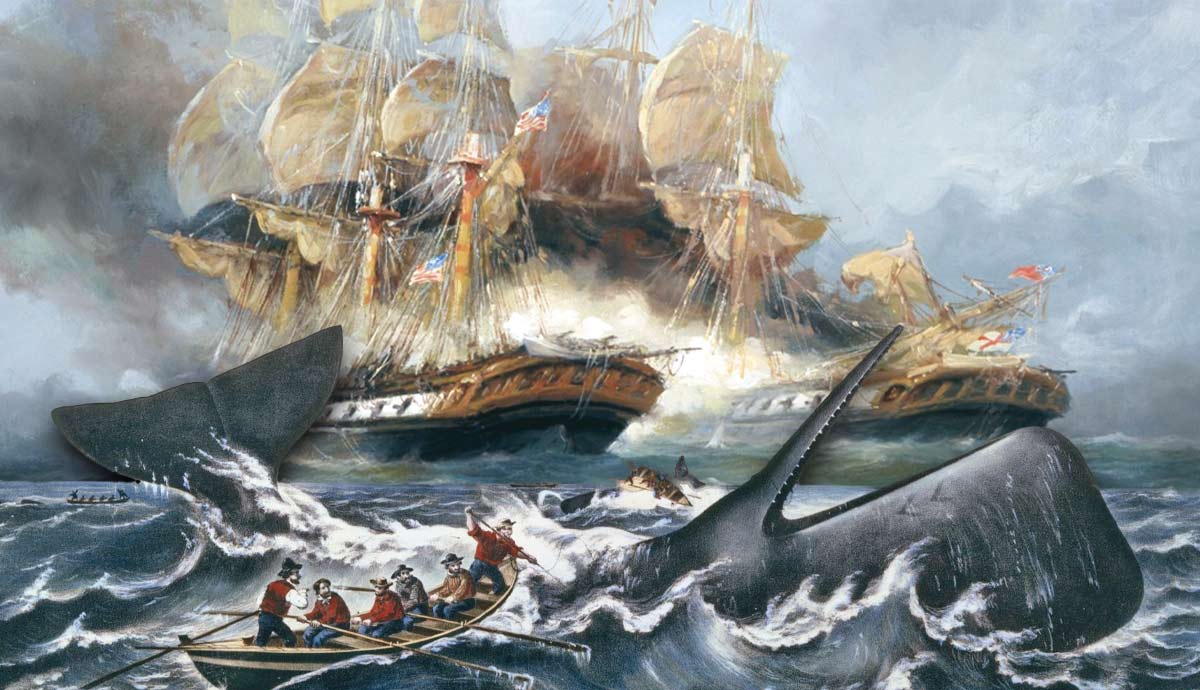
  Whales have been the prey of humans for thousands of years‚ utilized for their meat‚ blubber‚ skin‚ organs‚ bones‚ and baleen. Though whale goods were used by people in both temperate and cold climates across the globe in prehistoric eras‚ whaling was most popular and profitable in the mid-1800s. Whale oil and associated products were in high demand in developed countries across the world‚ and new technology‚ such as steamships‚ made the process of hunting whales more efficient. Still‚ whaling operations were complicated and dangerous‚ full of adventure and challenges.   1. The Disaster of 1871: The Lost Fleet Painting of the Lost Fleet. Source: New England Historical Society   In August 1871‚ 32 whaling ships from various corners of the United States‚ including Hawaii‚ New England‚ and California‚ met in the cold waters off the shores of Alaska in pursuit of the Bowhead whale. More than 1‚200 people were aboard the ships‚ primarily men of the whaling crews but also some women and children who accompanied husbands and fathers.   The pack ice that normally swirled in the Arctic was heavy and close to shore‚ leaving the boats less room than they expected for maneuvering. Nevertheless‚ the whales were plentiful‚ and the hunts were successful. The ships went about their tasks‚ and the boat captains expected the wind to shift and push the pack ice out to sea as usual so that they could sail off when their job was complete.   The lost fleet. Source: The Guardian   However‚ the pack ice did not follow its typical route and instead pushed the ships closer together. They became lodged in the ice rather quickly‚ and none of the boats were able to escape to open water. The captains of the 32 ships met and decided that the safest thing to do would be to abandon the ships and evacuate in the whaleboats‚ which could be maneuvered over the ice and into open water.   The captains wrote a declaration defending their reasons for the abandonment and signed it‚ unanimously approving their decision. One thousand two hundred nineteen people loaded into the rickety whaleboats and rowed 90 miles south‚ where they were rescued by another fleet of whaleboats.   Against the odds‚ not a single life was lost in the excursion. Only one of the ships was able to be retrieved to sail again‚ the remaining 31 crushed by the ice. The loss of the ships and their cargo was estimated at $1.6 million at the time.   Some questioned the captains’ decision to abandon the ship‚ questioning if it would have been better to wait and see if a path had been blown through the ice pack if they had waited a few weeks. However‚ the fact that not one person was lost during the disaster seemed to justify the decision‚ even with the heavy economic loss. Thus‚ the issue was eventually laid to rest.   2. Japan 2011: Misappropriated Funds A Minke whale is hauled ashore at Kushiro port. Source: Kyodo News via Science   Japan is one of the few countries worldwide that still hunts whales today. The main goal of their whaling fleet is research‚ but the whales that are killed for research programs are butchered and sold for meat‚ leading to ongoing controversy with other global entities and environmental groups.   This debate was further fueled in 2011 when it was discovered that $29 million of Japan’s national post-tsunami recovery fund was given to the whaling industry for security against harassment from protestors. Organizations such as the Sea Shepherd Conservation Society are almost a constant presence near the whaling fleet‚ harassing the whalers with stink bombs and damaging equipment. A tsunami hit Japan in 2011‚ killing tens of thousands and damaging over 100‚000 buildings‚ and the funds that were used to protect the whalers were intended to help the country rebuild.   A Minke whale is unloaded from a boat at Kushiro port in 2017. Source: Kyodo News via KFYR TV   The government claimed that the money was needed to help the whaling industry get back on its feet as well. Port towns that rely on whaling were heavily damaged by the tsunami. In addition‚ the 2010 season was cut short as the whalers caved to pressures from protestors and ended their hunt early with only about one-fifth of the planned catch. Despite the backlash from this situation and the ongoing controversy surrounding whaling‚ the Japanese continue to hunt whales annually.   3. The War of 1812 Naval Battle of 1812 by Rodolfo Claudus. Source: Navy Art Collection via Naval History and Heritage Command   The War of 1812 was disastrous to the United States whaling industry. The war was heavily fought at sea‚ and the industry essentially came to a halt. Many ships were damaged or destroyed in the conflict‚ but even worse‚ many men working on whaling ships were faced with impressment: forced service on a warship. However‚ these men were not forced into service with the American forces but with the British.   The British navy‚ under British law‚ had the right to stop ships at sea and search for any English citizens or deserters‚ forcing them into service. However‚ many British naval captains would take any able-bodied‚ English-speaking man and force him onto their crew. Around 6‚000 Americans were impressed into British service during the war‚ and anger over this practice contributed to tensions around the war. It would take a few years‚ but America’s whaling industry would rebuild from this calamity to reach a golden age in the mid-1850s.   4. Vanished in 1849: The Theophilus Chase The Westport Memorial for mariners lost at sea. Source: Ted Hayes photo‚ via East Bay Media Group   Built in Westport‚ Massachusetts‚ the Theophilus Chase was a whaling ship on which the brother of famed author Herman Melville had previously served. After completing previous trips successfully‚ in 1849‚ the ship left Westport‚ captained by Pardon Macomber‚ and headed to the South Pacific in search of its catch.   The Theophilus Chase was never heard from again‚ and no evidence of the ship was ever located. It is unknown exactly how many men were lost with the ship‚ though in 2022‚ the names of more than ten who were previously overlooked were discovered‚ and plans were made for them to be added to the Westport memorial to mariners lost at sea.   5. The Wreck of the Catherwood: 1856 A sperm whale. Source: Marine Mammal Center‚ Sausalito‚ California   It seems that Westport was no stranger to lost ships. However‚ the fate of the Catherwood was known‚ unlike the Theophilus Chase. In 1856‚ the Catherwood‚ another whaling bark from Westport‚ was lost off the island of Narbio in the Galapagos. This was reported in the Boston Daily Courier in February of 1856. However‚ none of the Galapagos Islands are named Narbio or are listed as formerly being named as such‚ so it is unknown where exactly this wreck took place.   The hunting of a sperm whale. Source: New Bedford Whaling Museum   Due to a thick fog‚ the ship struck the island. The crew attempted to tow the Catherwood back out to sea‚ but heavy swells pushed her back‚ causing the ship to strike land forcefully and suffer irreparable damage. The crew was forced to abandon ship as the wreck began to sink‚ with only the ship’s papers saved in the mel&;eacute;e. Retreating to the island‚ the men survived for five days‚ eating what they could find‚ mostly crabs‚ as they were unable to salvage food or fresh water from the ship‚ save one cask of bread.   Whale bones held value in the whaling market. This is the skeleton of “Reyna” a Right Whale that was accidentally struck and killed off the coast of Chesapeake Bay. Her skeleton is on display at the New Bedford Whaling Museum for educational purposes. Source: New Bedford Whaling Museum   Fortunately for the crew‚ they would be rescued by a passing ship with no loss of life. However‚ the financial loss to the Catherwood was significant‚ as she had 500 barrels of sperm whale oil on board when she wrecked‚ as well as a cargo of whale bones. Whale bones had value for use in corsets (popular fashion at the time)‚ buggy parts‚ and art. The journey was a complete monetary loss.   6. Spoils of War: The Capture of the Kate Cory in 1863 A model of the C.S.S. Alabama. Source: Blue Jacket Ship Crafters   In 1863‚ the Civil War raged throughout the United States. Though the majority of the action took place in land battles‚ the sea was no stranger to wartime conflict. The Confederacy had a number of successful raiding ships operating during the war‚ the most successful of which was the Alabama.   Whaling was still a popular pursuit during the war years‚ and though many men were fighting‚ others were still pursuing an income at sea. The Kate Cory was a Massachusetts whaler‚ one that was quite famous and successful in its time. However‚ she was captured by the Alabama off the coast of Brazil in 1863. Though no men were killed in the taking of the ship (they weren’t soldiers‚ after all)‚ they were captured and removed from the ship. The ship was then burned‚ and all her profits along with it. The crew would eventually make it home‚ albeit empty-handed. The Kate Cory would be just one of over 60 ships taken by the Alabama during the Civil War.   A painting of the Alabama. Source: Civil War Talk   The story wasn’t over‚ however. It turned out that the Alabama had been built in a British shipyard on commission by the Confederacy. As a result‚ a diplomatic dispute arose. England had neutrality laws in place preventing it from choosing sides in the American Civil War. The Alabama was just one of several raiders built for the Confederacy by the Brits‚ and as a result‚ the US brought suit and demanded compensation from Britain in recompense for the damage caused by these ships.   Lawyers claimed that British aid had prolonged the war and indirectly cost the United States millions or even billions of dollars. A treaty would eventually be reached in 1871 in which England was ordered to pay the United States $15.5 million in compensation.
Like
Comment
Share
History Traveler
History Traveler
2 yrs

Johnny Cash: A Bio of Country Ballads &; Boisterous Song
Favicon 
www.thecollector.com

Johnny Cash: A Bio of Country Ballads &; Boisterous Song

  A complicated man who sometimes seemed full of contradictions‚ Johnny Cash was nevertheless dedicated to the people and convictions he held dear to his heart. Rising from humble Arkansas beginnings‚ Cash would make his mark in the music world‚ creating a career full of accolades that spanned much of the 20th century and into the 21st. Releasing new music right up until his death (and even after)‚ Cash continues to inspire fellow musicians and fans alike with the iconic impact of a sometimes tumultuous life.   A Modest Start Johnny Cash in front of his childhood home. Source: Johnny Cash Heritage Festival   Born February 26‚ 1932‚ in the midst of the Great Depression‚ John R. Cash grew up in a struggling farm family. Known as J.R. to his loved ones‚ Cash had six siblings. When he was three‚ his parents‚ Ray and Carrie‚ moved their children to Dyess‚ Arkansas to take advantage of a New Deal program that offered families farmland. There‚ Cash lived out his childhood in a five-room home‚ farming 20 acres of mostly cotton alongside his family.   Photograph of Johnny Cash. Source: TV Insider   Theirs was a tough existence‚ and something Cash found respite in was music. His mother was a fan of folk and gospel music and shared that love with her children. J.R. began writing songs at the age of twelve. His mother recognized how much he loved music and scrimped and saved so that he could take voice lessons. However‚ after just a few lessons‚ his teacher told him to stop taking lessons‚ as his natural voice was too beautiful to deviate from.   Devastation &; Inspiration Johnny’s older brother‚ Jack D. Cash. Source: Johnny Cash Official Site     Of his six siblings‚ J.R. was especially close with his brother Jack‚ who was just two years older than him. One morning in May 1944‚ 14-year-old Jack decided to go to work at the local high school woodshop rather than go fishing with his younger brother‚ who begged him to come to the fishing hole instead. Jack declined‚ focusing on the three dollars he could bring in to help the family if he went to work. A few hours later‚ J.R. was startled when his father’s car pulled up to the fishing hole‚ Ray yelling at him to get in. Jack had been grievously injured in an accident in the wood shop.   Jack Cash was killed by a saw in the same style as this 1950s Dewalt radial arm model‚ though the blade guard had been removed. Source: Fine Woodworking   Jack had been attempting to cut a board using a table saw on which the guard had been removed. The blade cut Jack from stomach to groin but didn’t kill him instantly. He was rushed to the hospital and underwent surgery‚ but the surgeon instructed the family “not to get too much hope.” However‚ Jack persisted in the hospital for a week before succumbing to his injuries.   J.R. struggled extensively with Jack’s death for the rest of his life. His father‚ under the influence of alcohol‚ once remarked‚ “Too bad it wasn’t you instead of Jack.” It was no coincidence that J.R. started writing songs around this time‚ and he didn’t have to look very far for inspiration. His brother Jack had ambitions of becoming a minister and spoke of seeing heaven just before his death. This religious inspiration would remain present in Cash’s music for the rest of his career.   Early Careers Several country music artists are known for serving in the military before becoming famous‚ including Johnny Cash‚ left. Source: Country Music Family   In 1950‚ J.R. graduated from high school and left the family farm in search of a job. He worked briefly in an automobile plant in Pontiac‚ Michigan before joining the Air Force‚ where he became known as “John R. Cash” as a full first name was required to enlist. He served for four years‚ the bulk of which he spent in Landsberg‚ West Germany as a radio intercept officer‚ monitoring Soviet communications.   In a bizarre piece of historical trivia‚ Cash is believed to be the first American to learn of Joseph Stalin’s death as a result of his position. Cash continued to enjoy music during his time in the Air Force‚ writing several songs that would later help propel him to fame and performing with fellow service members at bars.   Luther Perkins‚ Johnny Cash‚ and Marshall Grant‚ later known as Johnny Cash and the Tennessee Two. Source: Chegos   Cash was discharged in 1954 and settled in Memphis‚ Tennessee. He began working as an appliance salesman but was still performing in his free time. He teamed up with two mechanics named Luther Perkins‚ who played electric guitar‚ and Marshall Grant‚ who played upright bass‚ and the three would jam regularly. They became fast friends and sang mostly gospel music‚ performing at church and on local radio.   Love &; Marriage Vivian Loberto &; Johnny Cash. Source: “My Darling Vivian” via Texas Standard   After his Air Force stint‚ Cash married Vivian Liberto‚ a young woman he had met during his military training in Texas before deployment. The two had four daughters–Rosanne‚ Kathy‚ Cindy‚ and Tara–born between 1955 and 1961‚ but a troubled marriage.   During the tumultuous 60s‚ Cash and Vivian were attacked for Vivian’s appearance‚ as she had a dark complexion. The Ku Klux Klan and media entities attacked the couple‚ accusing them of an illegal interracial marriage (it would not become legal until 1967) and calling Vivian “black” (Vivian’s daughters later learned that she did have a formerly enslaved ancestor in 2021).   To his wife’s chagrin‚ Cash seemed to inflame the situation by listing the “whites only” schools his wife had attended and explaining her Italian heritage rather than ignoring the attacks (as she wanted to do) or perhaps picking up a torch for the Civil Rights movement. The Cash’s ended up suing some parties for libel. The stress of media attention and other public attacks‚ along with affection from another woman‚ June Carter‚ did nothing to help the couple’s marriage‚ and they divorced in 1966.   Starting at Sun Records Cash launched his musical career at Sun Records. Source: Jeremy A photo via North Carolina Public Radio   In 1954‚ Cash‚ Perkins‚ and Grant generated the courage to visit a local Memphis recording studio called Sun Records and ask for a blind audition. They were granted one and sang an array of gospel songs for producer Sam Phillips‚ who told them to “go home and sin‚ then come back with a song I can sell.” Cash and his crew returned with more material‚ including some he had written during his time in Germany‚ and managed to win Phillips over.   Their first recordings‚ “Hey Porter” and “Cry Cry Cry‚” were released in 1955 and were moderately successful. The next album‚ Folsom Prison Blues‚ made the country top 5‚ and the next release‚ “I Walk the Line‚” reached number 1 on the country charts and made it into the pop top 20. Johnny Cash and the Tennessee Two became the first to release a long-playing album on the Sun label. However‚ in 1958‚ the group would leave Sun Records for Columbia.   The Highwaymen‚ a collaboration of (from left) Waylon Jennings‚ Johnny Cash‚ Willie Nelson‚ and Kris Kristofferson‚ was a country supergroup that convened in the 80s. Source: Jim McGuire photo via PBS   Cash’s musical success continued‚ as he charted at least two hit singles a year for 33 years running. He collaborated with groups and individuals from across genres‚ including U2‚ Bob Dylan‚ Waylon Jennings‚ Willie Nelson‚ and Kris Kristofferson. Unlike many artists‚ he never faded away from the public consciousness. Known as “the Man in Black‚” he was famous for his solid black outfits and consistent greeting to concertgoers: “Hello‚ I’m Johnny Cash.”   1980 would see him elected the youngest living person to the Country Music Hall of Fame (he would be inducted into the Rock &; Roll Hall of Fame 12 days later). He released his final studio album in November 2002‚ less than a year before his death.   On the Big Screen Cash played Frank James in The Last Days of Frank and Jesse James. Source: Filmpedia   Cash wasn’t just famous in the music industry; he starred on the silver screen as well. Some of his most popular films were A Gunfight alongside Kirk Douglas (1971) and The Last Days of Frank and Jesse James (1986). He appeared in TV shows such as Dr. Quinn‚ Medicine Woman‚ The Muppet Show‚ and The Simpsons‚ appealing to a wide variety of audiences. In addition‚ he hosted a prime-time variety show‚ The Johnny Cash Show‚ which often featured the work of new songwriters. Johnny Cash’s undated to-do list‚ which sold for $6‚250 at auction in 2010. Source: Cole Schaefer   Johnny was also an author‚ penning two autobiographies in longhand‚ one in 1975 and another in 1998. He also wrote a biblical fiction novel about the Christian Apostle Paul‚ a man he identified deeply with as another complicated soul‚ entitled Man in White.   Battling Demons A Cash mug shot from 1965. Source: The Adventures of Aleta   Though Cash had many successes‚ they were accompanied by personal struggles. Addiction played an almost constant role in Cash’s life‚ with pills‚ alcohol‚ and amphetamines contributing to his divorce‚ health troubles‚ and poor decisions. He was arrested multiple times and was found on the brink of death in 1967 after a drug binge. At one point‚ the 6’2” Cash was down to 150 pounds due to his drug use‚ with a haggard and skeletal appearance. Many thought his career–and perhaps his life–was over.   Johnny and June. Source: MirrorPix via Town and Country   However‚ Cash survived with help and support from an old friend‚ former touring partner‚ and future wife‚ June Carter. June encouraged him to refocus on his Christian faith and values and helped him attain treatment multiple times. The two were married in 1968 and would remain so until June’s death in 2003. A talented musician in her own right‚ Carter wrote Cash’s hit “Ring of Fire” with Merle Kilgore. Carter and Cash had one son‚ John Carter Cash‚ born in 1970.   The Prison Concerts: Making an Impact on Inmates Johnny Cash shakes hands with an inmate at one of his prison concerts. Source: Jim Marshall photo via Grammy Museum   After watching a documentary about California’s Folsom Prison while stationed in Germany‚ Cash wrote his iconic “Folsom Prison Blues.” Inmates from all over loved the song and wrote to Cash‚ asking him to come play for them. His first prison show was at Huntsville State Prison in Texas in 1957. He often cited the prisoners as his most enthusiastic audiences‚ and as someone who had suffered legal troubles and addiction himself‚ he could empathize with what many of these men had experienced. Cash gave several prison performances over his career‚ recording live albums at several of them. He even performed at overseas penitentiaries.   Life After Death Portrait of Johnny Cash later in life. Source: A Trip Down Memory Lane   As his life progressed‚ Cash’s addiction challenges became more well-managed‚ and he settled into a relaxed life with his faithful wife at his side. However‚ his career was far from over. In the early 90s‚ Cash reconnected with Rick Rubin‚ former Columbia executive and producer who founded the American Recordings label. Rubin has worked with dozens of influential artists spanning genres‚ including the Beastie Boys‚ Weezer‚ Slayer‚ and Jay-Z.   The two collaborated for Cash’s final series of albums‚ beginning in 1994 and concluding just before his death. Some of the songs on the American Recordings albums were written by Cash‚ and others were covers‚ such as Cash’s haunting rendition of Nine Inch Nail’s “Hurt‚” which would be nominated for and win several Grammy‚ MTV‚ and CMA accolades.   Cash’s final album in the American Recordings Series‚ American VI: Ain’t No Grave‚ features a smiling portrait of young J.R. on the cover. Source: Texing PREST   Cash passed away from complications from diabetes in September 2003. Some believe a broken heart contributed to his death as well‚ as he had lost June earlier that year. Despite his physical absence from the plane of existence‚ Cash’s music wasn’t done. In April 2004‚ American Recordings released My Mother’s Hymn Book‚ a gospel album that returned Cash’s sound to its true roots in an homage to Carrie Cash.   This was followed by American V: A Hundred Highways in 2006 and American VI: Ain’t No Grave in 2010. Out Among The Stars‚ a set of unreleased songs discovered by John Carter Cash at his parents’ home in 2012‚ was released in 2014. This is the last album of new music released to date.   Photograph of Johnny Cash later in life. Source: Marty Stuart photo   J.R. Cash came from hardscrabble beginnings to build a legendary life. He was a complicated figure‚ beloved by many‚ but not without his demons. Cash never denied his failings as a man and remained fiercely dedicated to his beliefs. With an impressive career spanning decades‚ his star never burned out but still shines brightly‚ inspiring America’s music scene across genres.
Like
Comment
Share
History Traveler
History Traveler
2 yrs

What’s the History of Humans in the Antarctic&;#63;
Favicon 
www.thecollector.com

What’s the History of Humans in the Antarctic&;#63;

  Covered in ice and snow with sub-zero temperatures and icy blizzards‚ setting foot on Antarctica is a daunting task. It has claimed the lives of countless brave explorers and challenged the limits of those courageous enough to endure its hazards.   Yet the icy continent holds many secrets that keep human beings fascinated. This drive to conquer and understand the unknown has led people there to the vast‚ icy wastes that form the continent.   From ancient times to the present day‚ this is the history of humans and their interaction with this dangerous but beautiful and intriguing place.   Old Ideas and Legends Map of Antarctica. Source: Library of Congress   Long before human eyes had ever set sight on Antarctica‚ it was theorized to exist. Aristotle surmised that since there was a North Pole covered in ice‚ there must be a South Pole also covered in ice. The idea of a terra australis or “southern continent” was widespread among the Romans‚ who gave a thought to geography.   Contrary to popular belief‚ the idea that the world was discovered to be a sphere was not the result of Columbus’ journey westwards. The Greeks held the belief that the world was round as early as the fifth century BCE. In the third century BCE‚ Eratosthenes accurately worked out the circumference of the Earth and even its 15-degree axial tilt&;#33;   In the oral tradition of the Māori people of New Zealand‚ the Antarctic Ocean is mentioned; however‚ later historians dispute the origin of this legend‚ stating that it was an embellishment inspired by European journeys to the south. Scholars from the Ngāi Tahu (a Māori tribe on New Zealand’s South Island) agree that it is highly unlikely the Māori people‚ or any Polynesian peoples‚ sailed that far south. Nevertheless‚ research into the possibility continues.   Discovery Captain James Cook by Nathaniel Dance‚ 1776. Source: Royal Museums Greenwich   It wasn’t until the 15th century that Europeans started encountering hard evidence for a great frozen land mass at the southern pole. When Bartolomeu Dias rounded the Cape of Good Hope in 1487 and encountered the chilly winds coming from the south‚ he proved there was an ocean between Africa and whatever land lay to the south.   In 1520‚ Ferdinand Magellan passed through the Straits of Magellan‚ disproving the theory that South America was connected to any landmass to the south. More than a century later‚ in 1642‚ Dutch explorer Abel Tasman sailed around the southern coast of Australia‚ proving once more that there was no land bridge to the South Pole via that geographical location either. What lay to the south was unknown‚ but whatever was there‚ it was not connected by land to anywhere else.   Various discoveries of islands were subsequently made around the Antarctic Convergence‚ a geographic boundary determined by where currents meet. In 1773‚ the Antarctic Circle was crossed for the first time by an expedition led by Captain James Cook. Whatever lay to the south‚ Cook concluded‚ would have been completely uninhabitable and of no use.   In January 1820‚ a Russian expedition led by Fabian Gottlieb von Bellingshausen and Mikhail Lazarev was the first to set sight upon the Antarctic mainland. They spotted the Fimbul Ice Shelf directly south of Tristan da Cunha. Just over a day after this event‚ an Irish sailor who was an officer in the British Navy‚ Edward Bransfield‚ spotted Trinity Peninsula‚ which is the northernmost point of Antarctica‚ 550 miles away from Cape Horn.   Terra Firma The Dundee Whaling Expedition by William Gordon Burn-Murdoch. Source: Dundee Art Galleries and Museums Collection   The first person who claimed to have set foot on the Antarctic mainland was an American sealer named John Davis. He claimed to have done so on February 7‚ 1821. This‚ however‚ is the source of much scrutiny‚ and most historians in the field have dismissed it as false.   Following an expedition by the British Explorer James Clark Ross‚ who set out to find the South Magnetic Pole (which he did successfully find)‚ interest in the continent waned significantly. Though he did not set foot there‚ he did suggest that there was absolutely nothing worth discovering further south.   Nevertheless‚ sealers continued to ply their trade. The first documented human foot (or boot) to touch Antarctic land was another American sealer‚ Mercator Hooper‚ who did so on January 26‚ 1853.   At the end of the 19th century‚ interest in the frozen continent would be renewed in what became known as the “heroic age” of Antarctic exploration. It started with the Dundee Whaling Expedition‚ which went south instead of the usual Arctic route. The Blue whales they encountered were too powerful to be caught‚ but the expedition was not a complete failure. They had taken a naturalist and an artist along with them. The specimens and sketches they brought back invigorated public interest in Antarctica once again.   Aurora Glacier and Mount Erebus in Antarctica. Source: Creative Commons / Martyn Unsworth / imaggeo   Following a call for scientific expeditions around the world to be formed‚ the Belgians set sail first in 1897. Their ship spent over a year trapped in the Antarctic ice‚ and many of the explorers went insane. The first mate on this expedition was none other than Roald Amundsen‚ who would play a huge part later in the exploration of the continent.   Meanwhile‚ the British sent an expedition of their own. Departing in 1898‚ the Southern Cross Expedition made use of sleds and dogs in their efforts to explore.   A few years later‚ in 1901‚ Robert Falcon Scott led the Discovery Expedition‚ which mapped out vast areas of the continent. This expedition lasted three years‚ and they pushed further towards the South Pole than ever before‚ turning back after coming within 410 miles of it.   The Discovery Expedition. February 3‚ 1903. Source: Royal Museums Greenwich   By this time‚ other nations had also sent forth expeditions to map the unknown regions of Antarctica. Germany‚ Sweden‚ and France made significant headway in Antarctic discovery at this time.   In 1907‚ the second British Antarctic Expedition led by Ernest Shackleton set sail. In January 1909‚ Shackleton and his team came within 97 miles of the South Pole but realized they would probably die from exposure and exhaustion if they went any further. Their return journey almost cost them their lives.   Explorers Amundsen and Scott Roald Amundsen. Source: Public Domain / Wikipedia   In 1910‚ the race to the South Pole was on. Roald Amundsen led the Norwegian expedition‚ while Robert Scott led the British one. Amundsen had originally not intended to attempt for the South Pole and informed his crew only after they set sail. While stopping in Melbourne‚ Scott discovered Amundsen’s intentions via a telegram and realized he was in a race.   The going was tough‚ and when Scott finally reached the South Pole on January 18‚ 1912‚ he was dismayed to find Amundsen had arrived first.   On December 15‚ 1911‚ Roald Amundsen was the first man to reach the South Pole.   The journey back for Scott and his team met with severe storms and misfortune. They perished mere miles away from safety and entered the British conscience as heroes who are remembered to this day for their intrepid attempt and sad end.   Further Expeditions Mountains in Antarctica. Source: Creative Commons‚ Wilfried Bauer / Wikipedia   The extreme danger the Antarctic posed had proven itself. This continent was utterly inhospitable. Yet the expeditions continued. In 1914‚ Ernest Shackleton launched an expedition to cross the Antarctic but was greeted with misfortune when his ship got crushed in pack ice. The rescue attempt took many long months to carry out‚ but miraculously‚ everyone survived. The second part of the expedition‚ making preparations on the other side of the continent‚ was not as lucky. They were stranded when their ship broke free from its frozen moorings‚ and the icy continent claimed another three victims before the team could be rescued.   The first flight across the Antarctic occurred in 1929. Expedition leader Richard Byrd‚ pilot Bernt Balchen‚ co-pilot Harold June‚ and radio operator Ashley McKinley completed their journey on November 29.   The first woman to set foot on Antarctica was Danish-Norwegian explorer Caroline Mikkelsen in 1935‚ although it is disputed whether she set foot on an island or on the mainland. In the case of the former‚ the honor would then go to Norwegian Ingrid Christensen‚ who did so on January 30‚ 1937.   Exploration and Settlement Book cover of Ranulph Fiennes’ Cold: Extreme Adventure at the Lowest Temperatures on Earth. Source: Simon &; Schuster   During the Second World War‚ the British set up several bases on the Antarctic mainland as part of Operation Tabarin‚ an effort designed to provide safe shipping to Allied vessels in the South Atlantic and also to enforce British territorial claims over the Falklands‚ which were a target for Axis forces.   After the war‚ and with the threat gone‚ these bases were slowly turned over to the scientific community and became part of the British Antarctic Survey.   Attempting to do what Shackleton had failed to do over three decades earlier‚ the Commonwealth Trans-Antarctic Expedition successfully crossed the continent in 1958. It was an international endeavor supported by many countries‚ including the UK‚ the US‚ New Zealand‚ South Africa‚ and Australia.   In 1959‚ with the Cold War in full swing‚ it became clear that the Antarctic had serious potential to negatively impact the course of history if it was used for military purposes. With this in mind‚ the Antarctic Treaty was drawn up and came into effect in 1961. All those with claims to portions of the continent signed the treaty‚ which forbids the use of Antarctica for military purposes. Later additions to the treaty have ensured that the Antarctic is not used for any purpose that would harm the environment and wildlife.   South Africa’s SANAE-IV base. Source: Antarctic Infrastructure   On January 7‚ 1978‚ Emilio Marcos des Palma made history by being the first person born on Antarctica. He was immediately given Argentine citizenship as both his parents were Argentinian.   From 1992 to 1993‚ another first was made when English explorers Sir Ranulph Fiennes and Dr. Mike Stroud crossed the continent on foot without any external support and without the help of pre-positioned depots of supplies. By the end of their journey‚ they were frost-bitten and close to starvation‚ but they re-ignited the flame of interest in the continent as a place where the limits of human beings can be tested.   In addition to all the expeditions and discoveries‚ human presence is growing in Antarctica‚ although none of it is permanent. Today‚ there are over 80 bases on the continent‚ but the population at its peak is only around 1‚200 individuals.   The Antarctic has become a haven for scientific research‚ free from the trappings of politics. Cooperation and mutual agreements are observed with civility despite the antagonistic nature between some countries outside of the continent. In this‚ the Antarctic represents a place where human beings are at their best‚ working side by side in their quest for knowledge and understanding.   Germany’s Neumayer-Station. Source: Alfred Wegener Institute   Antarctica is a mysterious place. It is bleak and inhospitable and will quickly dispatch anyone foolhardy enough to take its dangers lightly. It holds secrets that we cannot imagine‚ and as the years go by‚ scientists are beginning to go beyond scratching the tip of the metaphorical (and literal) iceberg. What they discover is sure to generate much debate and will redefine our understanding of the world’s southern frontier.
Like
Comment
Share
History Traveler
History Traveler
2 yrs

Who Was Jack the Ripper&;#63; 6 Likely Suspects
Favicon 
www.thecollector.com

Who Was Jack the Ripper&;#63; 6 Likely Suspects

  In 1888‚ a brutal serial killer terrorized the Whitechapel district in the East End of London. The general consensus is that Jack the Ripper had five victims‚ though some historians attribute additional deaths to him. His crimes shocked the world and exposed the horrendous conditions in the underbelly of Victorian society. The murders‚ which are likely the most studied crimes in history‚ are still unsolved today. Law enforcement‚ historians‚ and armchair detectives alike have proposed several suspects over the centuries‚ but no one has been cemented as a definite culprit.   The Case  The Canonical Five. Source: the BBC   Between August 31 and November 9 of 1888 in the East End of London‚ five women were murdered by whom police suspected was the same offender. These five became known as the “canonical five‚” and the suspect earned the name “Jack the Ripper.” Some historians and law enforcement officials attribute preceding and later cases to the serial killer as well. The victims were all killed in a similar‚ hauntingly brutal fashion and lived similar lifestyles; many of them suffered from alcoholism and had resorted to prostitution to earn a living.   The killer was thought to perhaps wear a leather apron. Source: ArtStation   Originally‚ the Ripper was known as “Leather Apron.” However‚ he was dubbed Jack the Ripper in a letter that was sent to a London news outlet‚ which was made public after the fourth canonical murder. In it‚ the author claimed to be the murderer‚ writing in red ink‚ bragging about his crime‚ and signing it “Jack the Ripper.” Though the police later believed the letter was a hoax‚ the name stuck and gained international traction. Nevertheless‚ the real killer likely did send a letter later‚ though this one was signed “from Hell.” It contained half a kidney‚ which was missing from one of the canonical victims. The case was never solved‚ and the list of potential suspects has only grown over the centuries since.   1. Aaron Kosminski A rendering of Aaron Kosminski. Source: CNet   Born in 1865‚ Aaron Mordke Kosminski was a Polish-born immigrant to England‚ arriving in the country sometime around 1880. There is little information about him in the public record‚ except that he may have once worked as a hairdresser. He had mental illness and was institutionalized several times throughout his life‚ with his symptoms pointing to that of a paranoid schizophrenic. However‚ there is no record of him ever acting violently during his stays at asylums and hospitals‚ so why is he a suspect&;#63;   Catherine Eddowes’ shawl. Source: Lacy Scott &; Knight   He was never officially named as a suspect by any of the subsequent Ripper police investigations. However‚ one of the primary investigators in the case‚ Chief Inspector Swanson‚ was a firm believer in his guilt. There are notes about Kosminski from another officer‚ Assistant Chief Constable Sir Melville Mcnaghten‚ who described the man as having a hatred of women and displaying homicidal tendencies.   The most damning piece of evidence against Kosminski is physical: a shawl with blood and semen on it that is said to have been collected from one of the murder scenes. This shawl was eventually returned to the victim’s family and subsequently sold at auction in 2013. The purchaser‚ author Russell Edwards‚ commissioned testing on the fabric‚ and it has since undergone numerous DNA tests. DNA on the shawl matched descendants of both the victim and Aaron Kosminski. However‚ some critics argue that the shawl is not legitimate evidence due to its handling or was not found on the body but among the victim’s personal effects. Kosminski died in an asylum in 1919.   2. H.H. Holmes Photograph of H.H. Holmes. Source: Crime Museum   There’s no doubt that Herman Webster Mudgett‚ alias H.H. Holmes‚ was a serial killer. However‚ was he the serial killer who terrorized Whitechapel&;#63; Holmes was one of America’s first known serial killers who terrorized Chicago‚ killing somewhere between 20-200 people‚ mostly in a home he had specially constructed for this purpose.   After attending medical school in Michigan‚ Holmes passed medical exams in 1884 and‚ in 1885‚ moved to Chicago. While working as a pharmacist‚ he began construction of his “murder castle‚” which he would later advertise as a place of lodging. Many out-of-town visitors to his hotel were never seen again.   In 1893‚ Holmes was especially prolific as the Columbian Exposition‚ also known as the World’s Fair‚ came to town‚ and with it‚ many visitors in search of lodging. Holmes would eventually be caught and hanged in 1894.   A cartoon cutaway of Holmes’ “murder castle.” Source: Carden Illustration   So‚ did Holmes make his way to the other side of the pond and spread his path of destruction there&;#63; His own great-great-grandson thinks so. Jeff Mudgett has researched his “evil ancestry” extensively and has found handwriting samples that he believes prove that H.H. Holmes and Jack the Ripper were one and the same. Further supporting his theory are law enforcement beliefs that Jack the Ripper had surgical training and anatomical knowledge and that Holmes was skilled at traveling under aliases and was able to work for years without detection. Mudgett’s theories have been turned into books‚ a television series (American Ripper‚ 2017)‚ and a stage production.   3. Dr. Francis Tumblety Dr. Francis Tumblety‚ by Mary Evans‚ ACI. Source: National Geographic   Another American doctor‚ Francis Tumblety‚ also makes the list of Ripper suspects. His name was given to the investigators by another police officer as someone worth looking into‚ but by the time investigators went to speak with him‚ Tumblety was on his way back to America. He had been arrested in London on November 7th‚ 1888 on charges of gross indecency with “a number of males.” He skipped his bail‚ and while this crime was not extraditable‚ the American media soon caught wind that he was a potential Ripper suspect and kept tabs on him for some time. Was Tumblety fleeing his obscenity charge or something more serious&;#63;   Tumblety was known to collect human body parts preserved in jars. Source: Patrick Bormann via ArtStation   Further supporting Tumblety’s involvement with the Ripper murders was his fascination with human body parts‚ of which he was a collector. One item in particular that he enjoyed collecting was women’s uteri. However‚ there is no concrete evidence that he ever visited Whitechapel or that he was ever violent with anyone.   4. Prince Albert Victor Prince Albert Victor. Source: Royal Collection Trust   Grandson to the illustrious Queen Victoria‚ Prince Albert Victor Christian Edward‚ “Eddy‚” is one of the most famous Jack the Ripper suspects. He was t​he son of “Bertie‚” Prince Albert Edward‚ who would later become known as King Edward VII. Young Eddy was partially deaf and rumored ​to have learning disabilities. He would have likely ruled England at some point in his life had he not fallen ill and died from influenza in 1892. Scandal did not follow him during his life (unlike his father)‚ but his involvement would first be proposed in a book in 1962.   Prince Albert Victor &; his fianc&;eacute;e‚ Princess Mary of Teck. Photograph by Frederick Thurston &; Son. Source: Royal Collection Trust   Multiple theories promote the idea of Eddy as the Ripper. Some supporters claim that the prince had syphilis‚ which contributed to his failing mental health and led to murderous behavior. Other proponents claim that the murders began when a prostitute turned up pregnant with the Prince’s illegitimate child‚ and she and others who knew about the illicit affair were killed to silence them. Unfortunately for the believers‚ Eddy is a hard suspect to prove. He was nowhere near London at the time of the murders. Furthermore‚ no hard evidence supports either of the proposed theories.   5. Mary Pearcey A portrait of Mary Pearcey‚ left‚ and a depiction of her execution‚ right. Source: All That’s Interesting   While the list of Ripper suspects is largely male‚ one woman’s name frequently appears in discussions of potential culprits. Mary Eleanor Pearcey (n&;eacute;e Wheeler) was born in 1866. Her father was executed for murdering a local farmer when she was 14 years old‚ and little did Mary know that she would suffer the same fate ten years later.   The pram that Mary Pearcey used to transport the bodies of Phoebe and the baby after the murders‚ on display at Madame Tussauds. Source: Madame Tussauds London   Mary was not married but in a long-term relationship with a man named John Pearcey and took his surname. However‚ she also took up with a married man named Frank Hogg. She grew exceedingly jealous of Frank’s wife‚ Phoebe‚ and created a plot to murder not only Phoebe‚ but also Frank and Phoebe’s infant daughter. When the bloodstained bodies were found‚ suspicion quickly went to Mary‚ who had not been discreet in her dalliances with Frank.   Her home was searched‚ and the murder weapons and her own bloodstained clothing were easily located. Mary was tried‚ convicted‚ and hanged in December 1890. She was suggested as a Ripper suspect in the book Jack the Ripper: A New Theory published by William Stewart in 1939. The manner in which Phoebe was killed was eerily similar to the Whitechapel murders‚ including the public dumping of the bodies.   Mary was of average size by today’s standards‚ 5 feet 6 inches and nine stone (126 pounds)‚ but one of the detectives did remark that he had never seen a woman “with a stronger physique.” Was she physically capable of carrying out these serial killings&;#63;   6. Walter Sickert Walter Sickert. Source: The Telegraph   Many authors and other amateur detectives have made suppositions about the Jack the Ripper case; one of the most famous is that of crime novelist Patricia Cornwell. In 2002‚ she published a book‚ Portrait of a Killer-Jack the Ripper Case Closed‚ in which she named painter Walter Sickert the culprit. Sickert seemed to have a fascination with murder and depicted killings in several of his paintings. Cornwell maintains that one series of his works bears a striking resemblance to the post-mortem photographs of Jack the Ripper victims.   Police discovering a Jack the Ripper victim. Source: Chronicle via Science   Cornwell also maintains that the writing style used in some of the letters sent to law enforcement‚ allegedly from Jack the Ripper‚ is similar to wording and statements attributed to Sickert. However‚ others maintain that the letters vary significantly and argue that it is not even likely that the letters came from the killer himself.   Correspondence from family members also put Sickert as vacationing in France at the time of some of the murders. Regardless‚ Cornwell is certain she has solved the case and spent seven million dollars investigating her theory. Though Cornwell may be convinced of Sickert’s guilt‚ she has failed to convince a wide audience to agree with her.
Like
Comment
Share
Showing 29588 out of 56670
  • 29584
  • 29585
  • 29586
  • 29587
  • 29588
  • 29589
  • 29590
  • 29591
  • 29592
  • 29593
  • 29594
  • 29595
  • 29596
  • 29597
  • 29598
  • 29599
  • 29600
  • 29601
  • 29602
  • 29603

Edit Offer

Add tier


Select an image
Delete your tier
Are you sure you want to delete this tier?

Reviews

In order to sell your content and posts, start by creating a few packages. Monetization

Pay By Wallet

Payment Alert

You are about to purchase the items, do you want to proceed?

Request a Refund